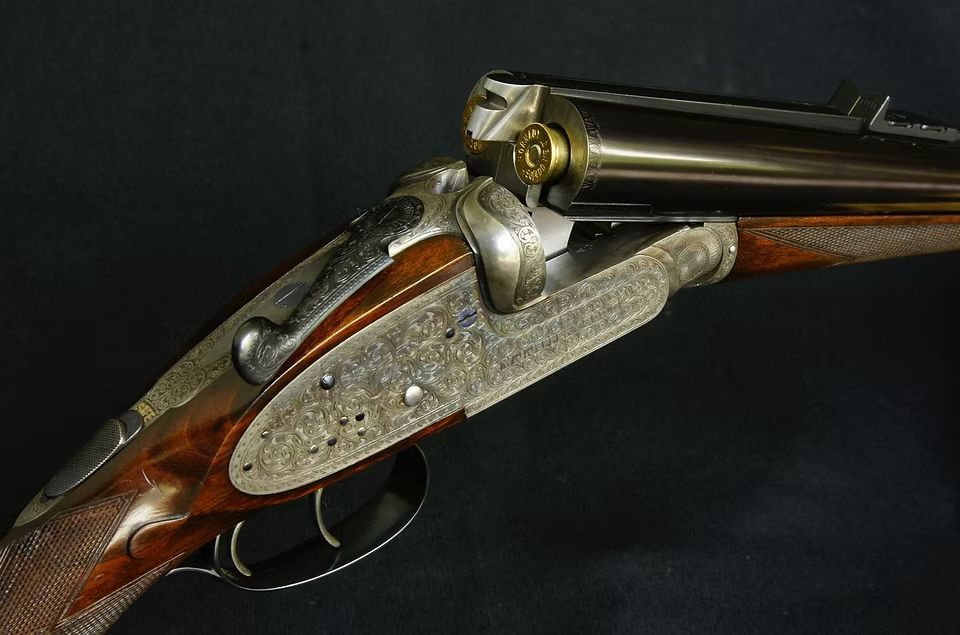
Flying with a rifle
Declare the firearm at check-in, never at security. It travels in a
lockable hard case in checked baggage, and most airlines require the case
to be genuinely lockable rather than a soft bag with a zip tie.
Ammunition travels separately from the rifle, in its original
manufacturer packaging, in a lockable container, also checked. Airlines
typically cap checked ammunition at five kilograms — roughly 11 lb —
regardless of how many rounds that works out to, so weigh it before you
pack rather than assuming a round count is fine. Do not put a single
round in your hand luggage — it is the most common way hunters get
themselves into genuine trouble.
Tell the airline you are travelling with a firearm when you book, not
when you arrive. Some carriers require notice, some route firearms
through a specific desk, and a few will not carry them at all.
Renting a rifle from us
We rent rifles, and a good number of clients use them rather than deal
with the paperwork at all. It is a genuinely sensible option for older
clients, for anyone who does not own something suitable for African
game, and for anyone who simply does not want the hassle of flying with
a firearm.
Rentals are available in the main calibres, including the heavier
dangerous game rifles. You will shoot at the range on your first
afternoon to get comfortable with the rifle and confirm zero before you
hunt anything with it. Rental is charged separately from the daily
rate — ask us for the current figure.
A word on dangerous game specifically
For buffalo, elephant, lion and leopard, our honest recommendation is
that you bring your own rifle and that you have put enough rounds
through it to be genuinely comfortable. Familiarity matters more on
dangerous game than on anything else, and the shot that counts is
usually taken quickly.
That said, we absolutely accommodate hunters who cannot. Where a client
is shooting a rented rifle on dangerous game, we adjust how we hunt: more
time on the range beforehand, a closer and more deliberate approach, more
patience, and a willingness to sit and wait for a shot that is properly
on rather than one that is merely available. It takes longer and it
occasionally means walking away from an animal on the first day.
It also works. Our success rate on dangerous game stays close to 100%
either way, and we would far rather spend an extra two days getting you
into the right position than watch you take a marginal shot with a rifle
you met on Monday.
CITES, in plain terms
CITES is the international convention that regulates cross-border trade
in protected species. Several of the animals we hunt are listed under it
— elephant, leopard, lion, hippo and crocodile among them — which means
an export permit from the country of origin and, in many cases, an import
permit for your own country.
We arrange the export side as part of your trophy shipping. The import
side is your responsibility, and the rules differ by country and have
changed repeatedly over the last decade. Check where your country stands
before you book a CITES-listed species, not after you have taken
one. More on trophy shipping and taxidermy.