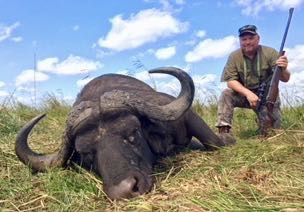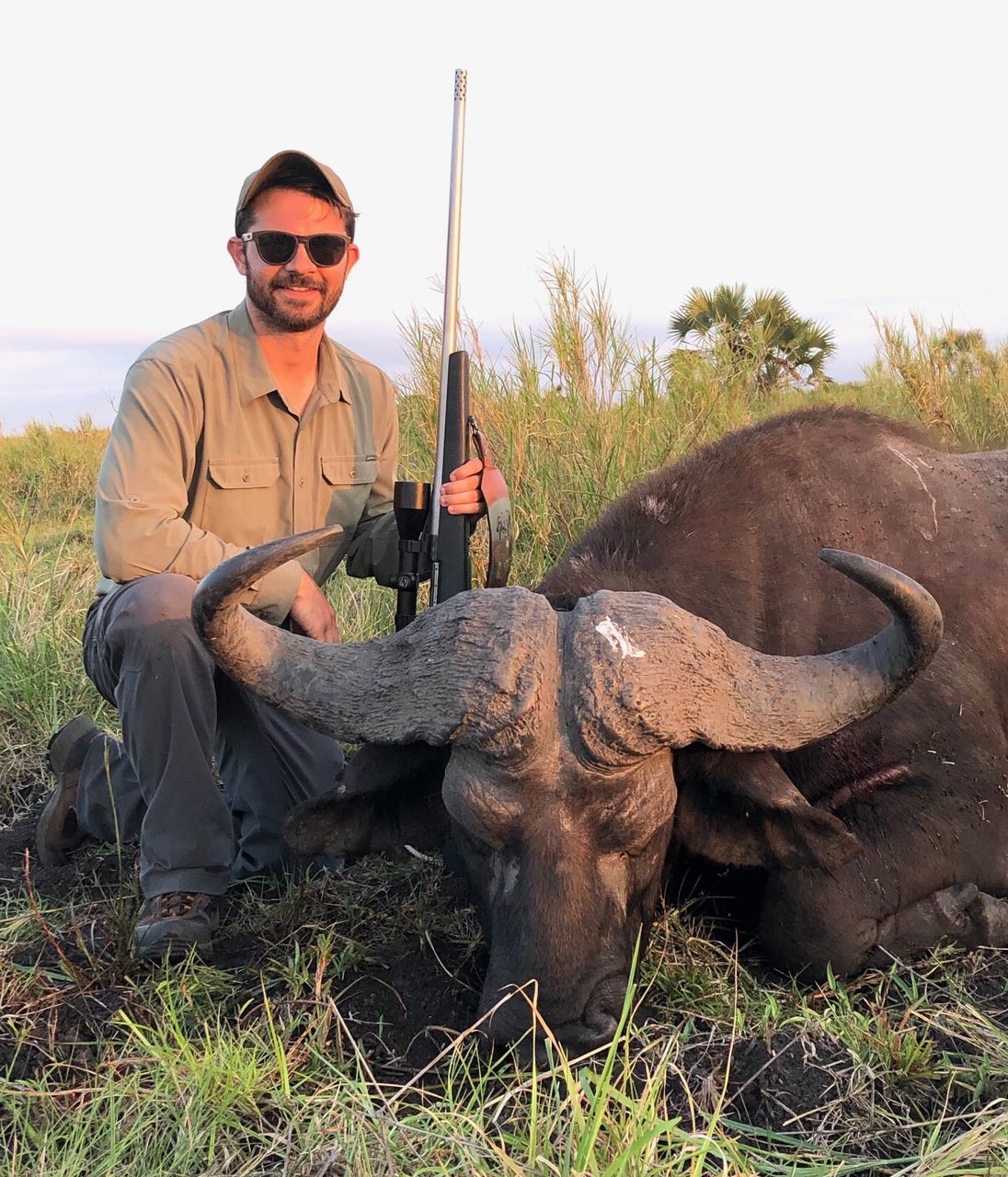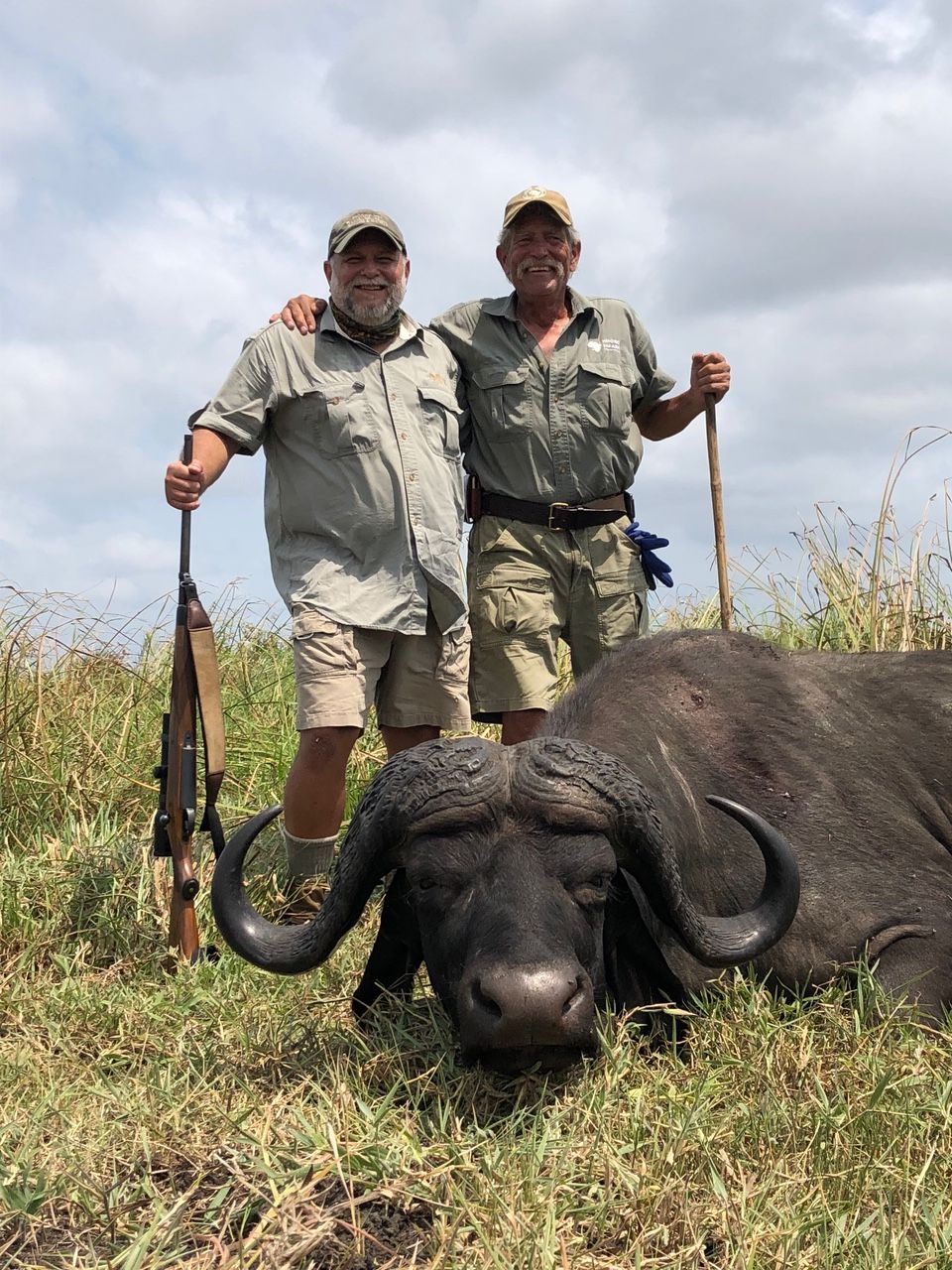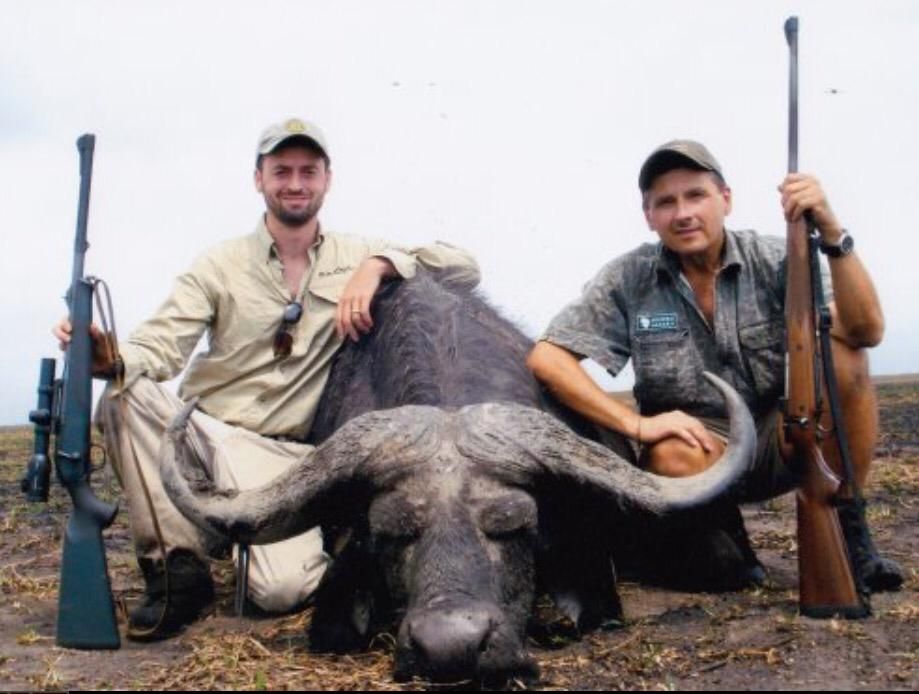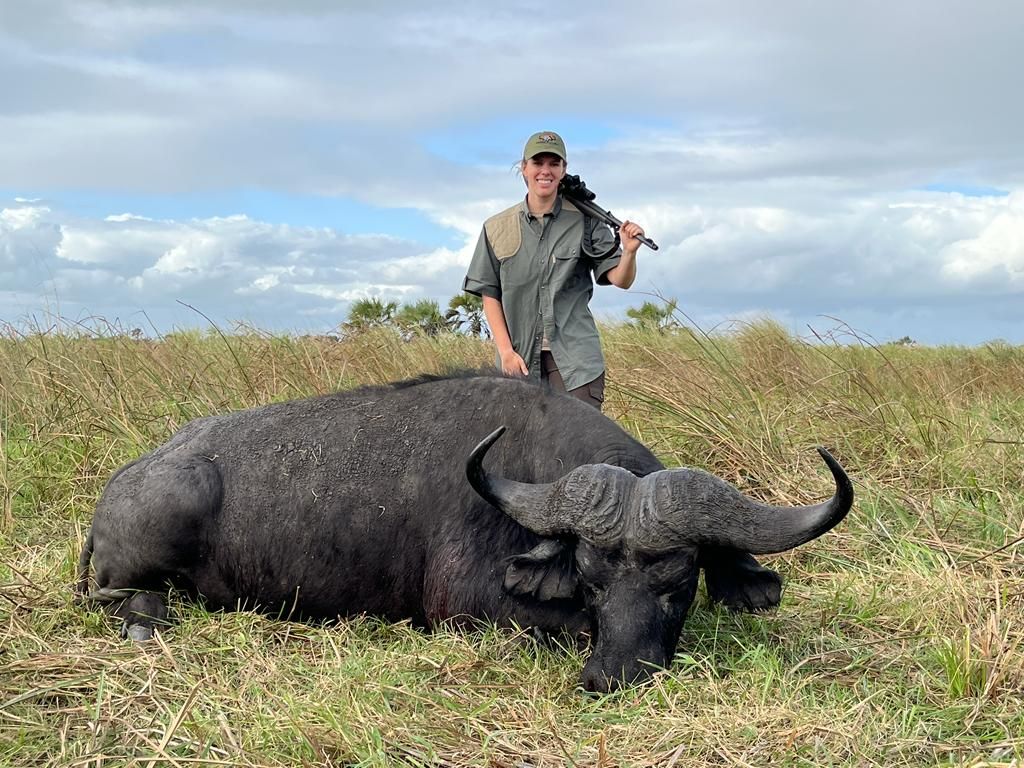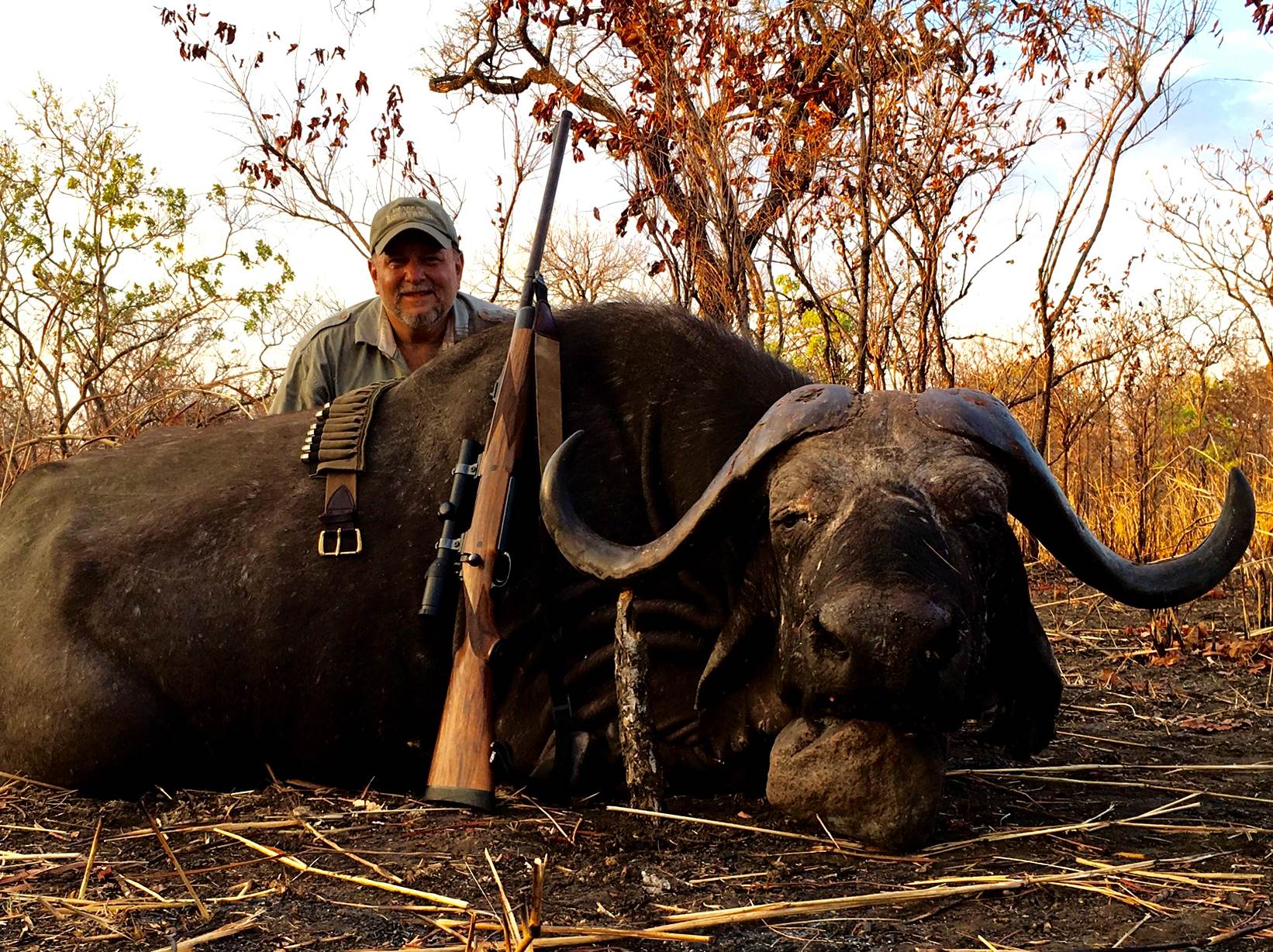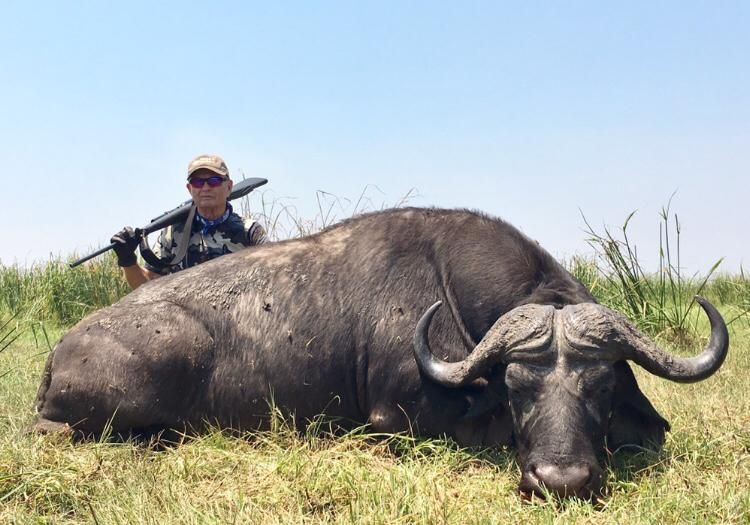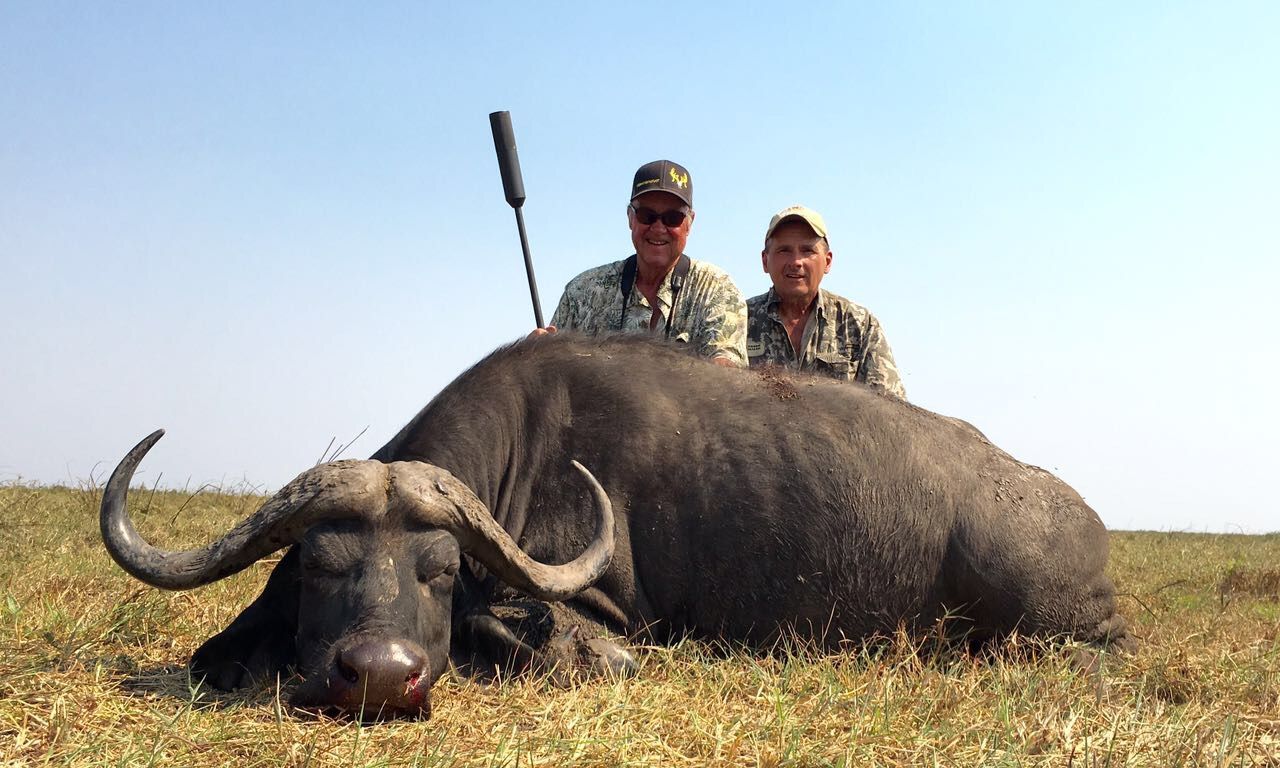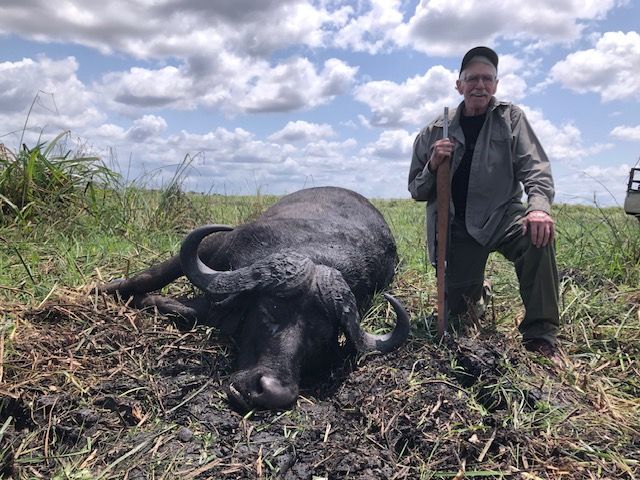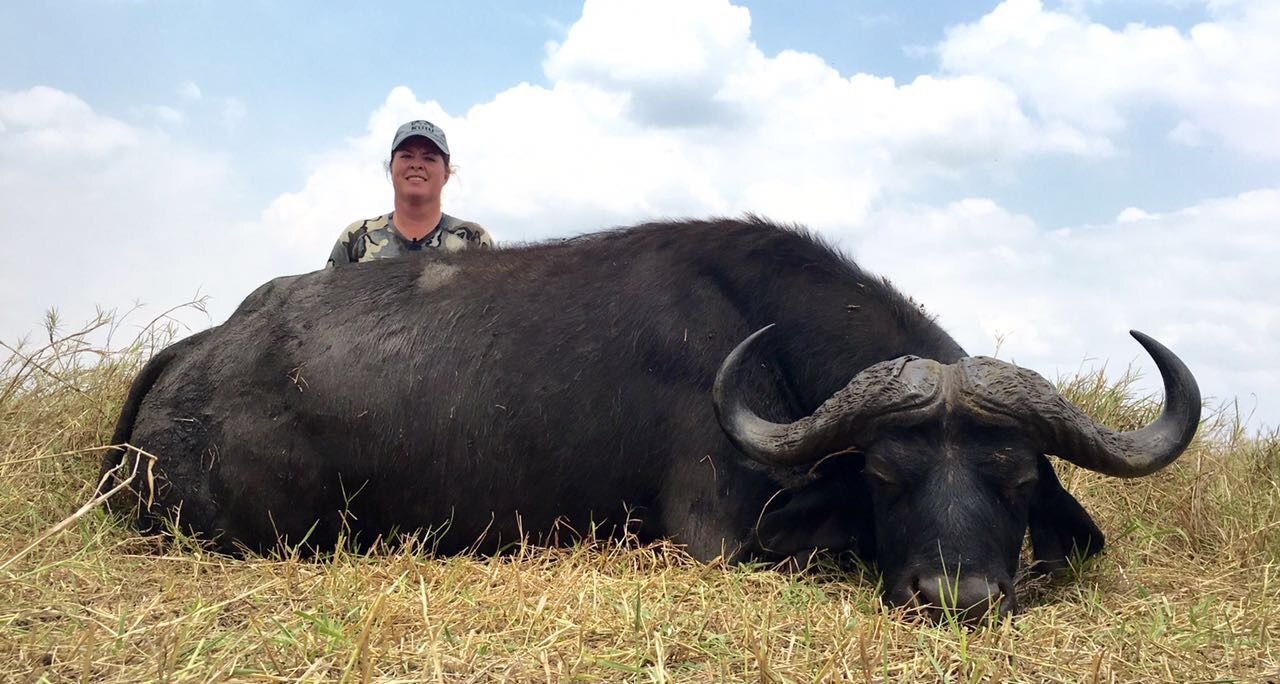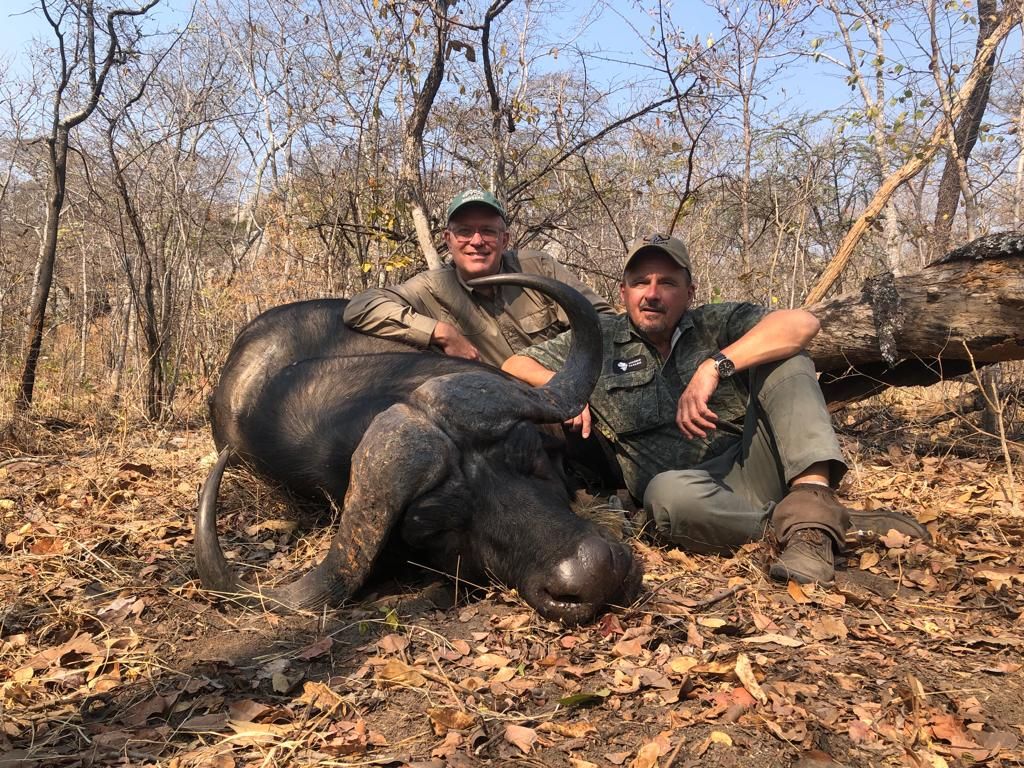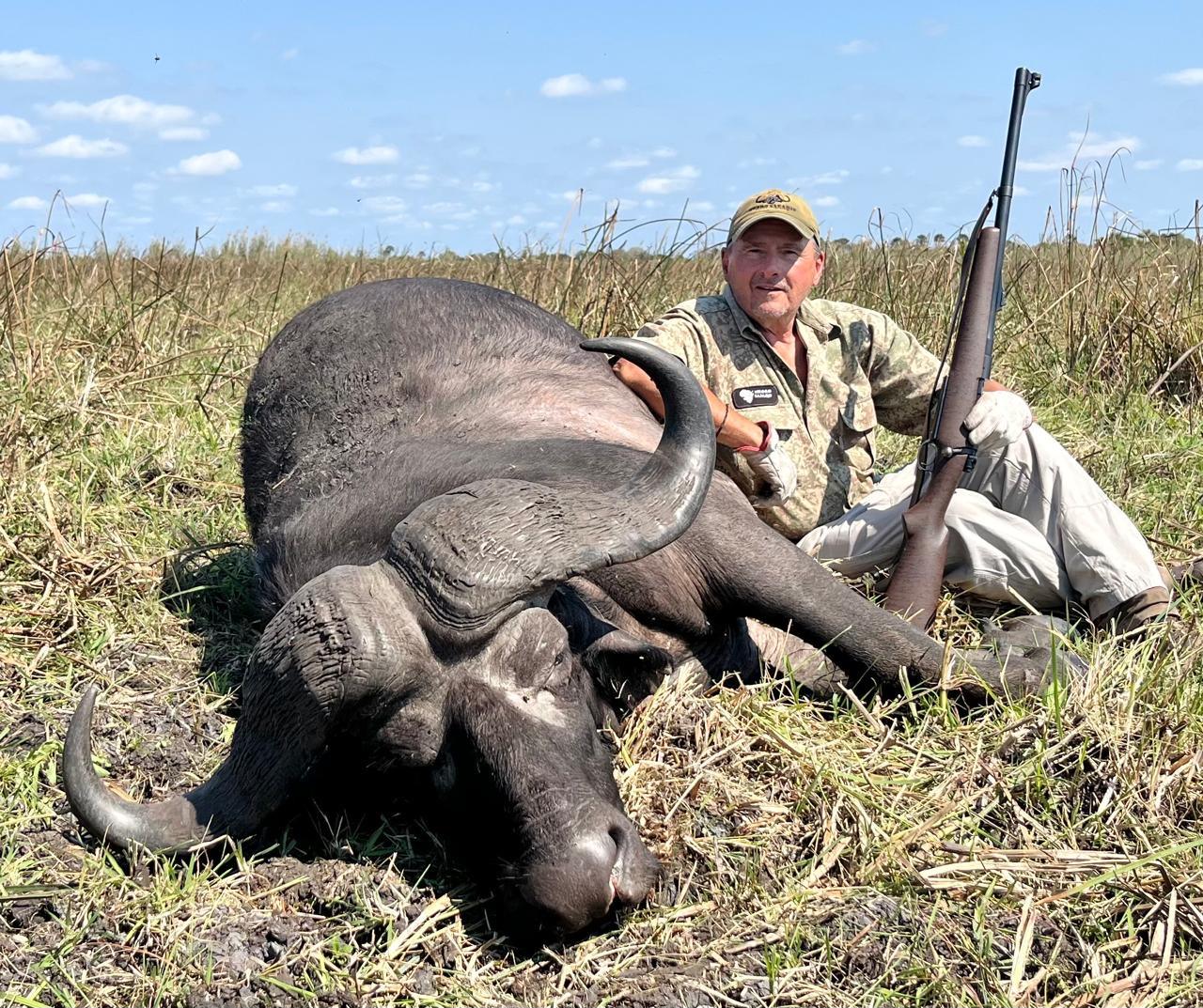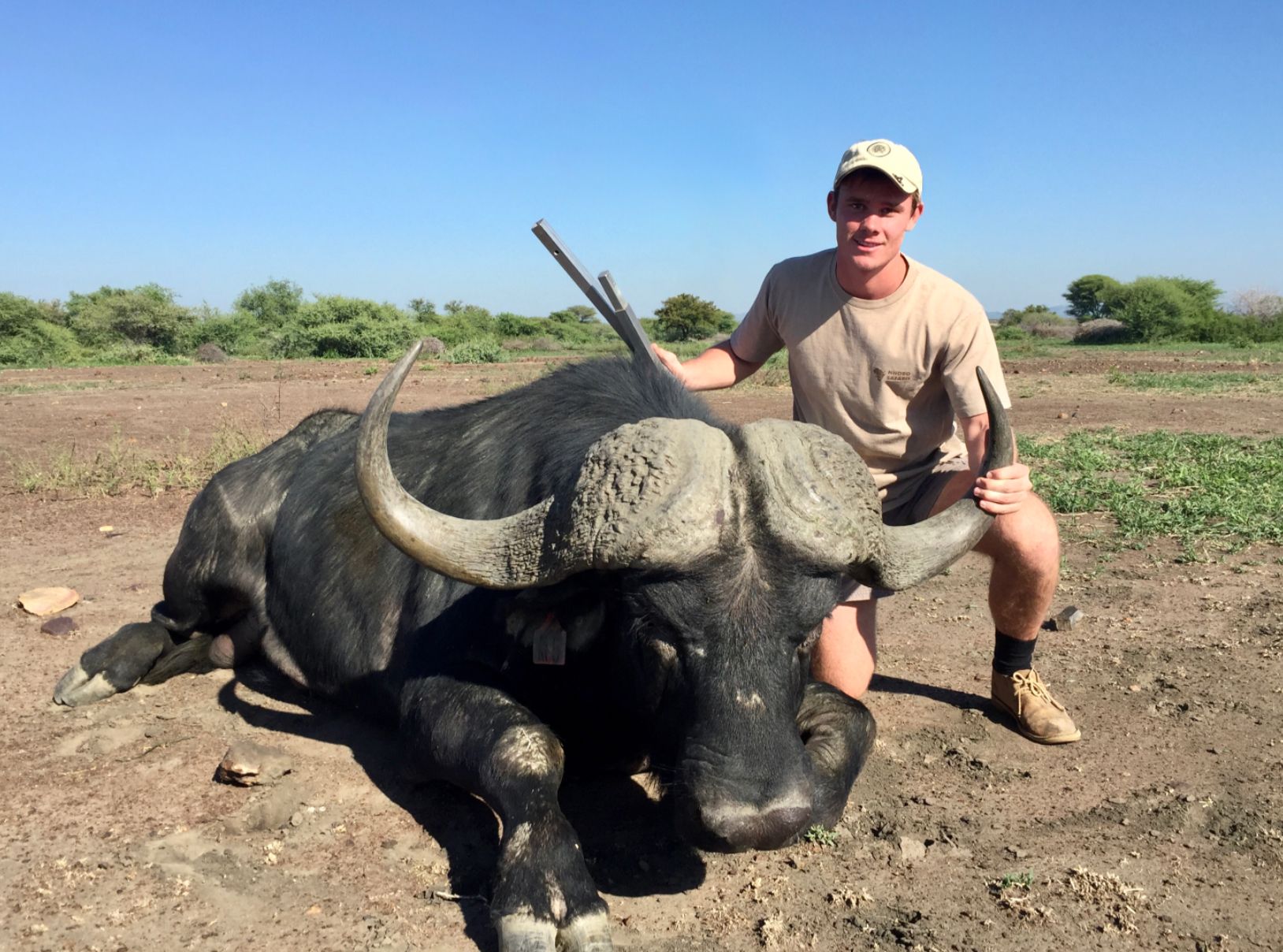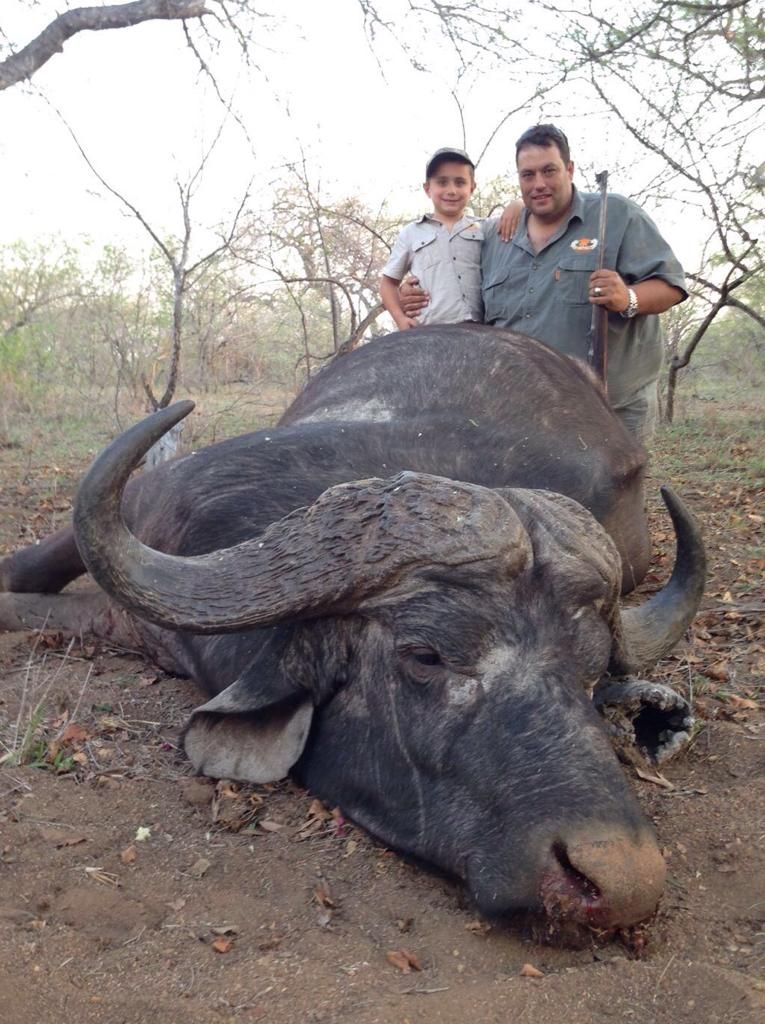
The animal
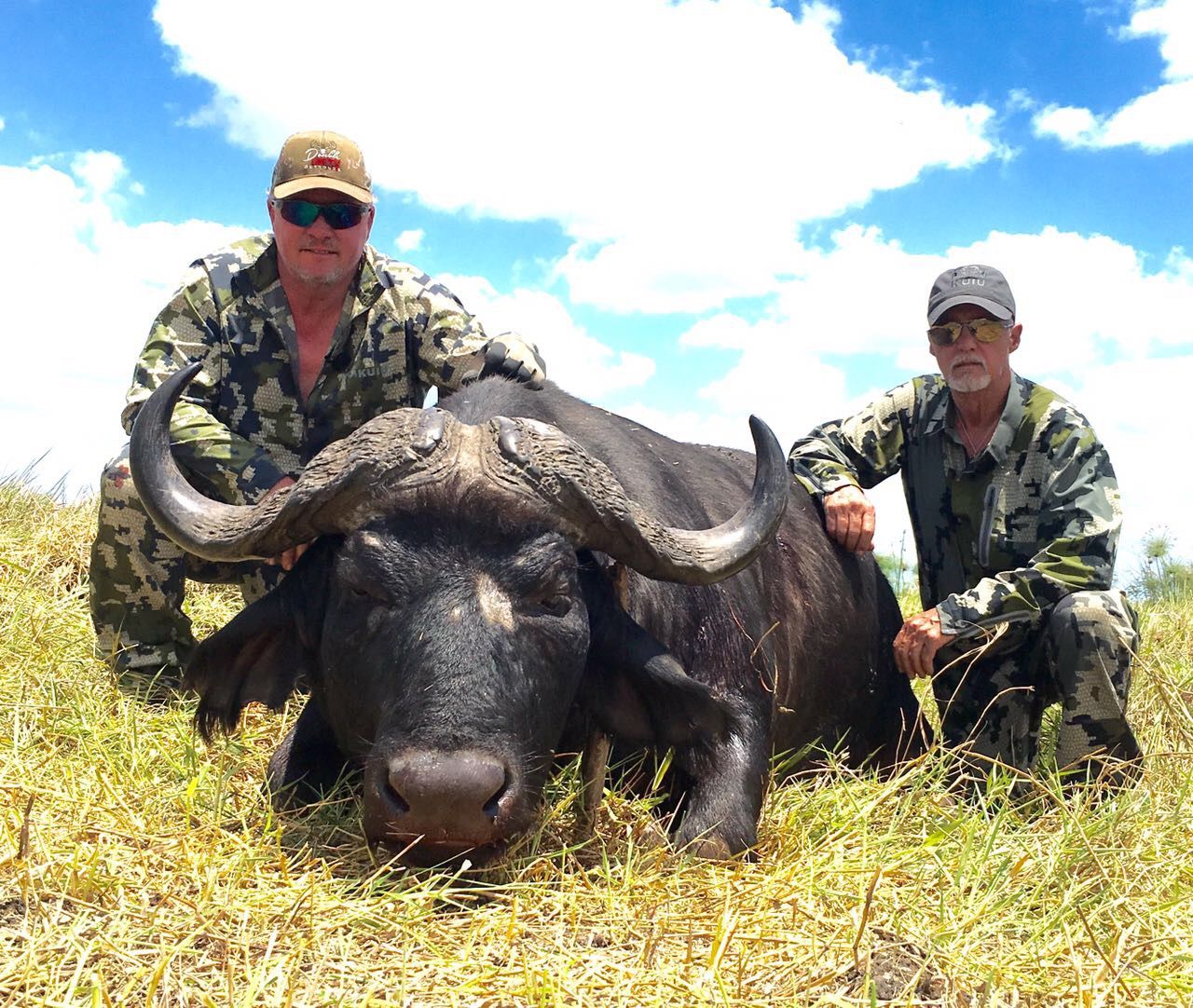
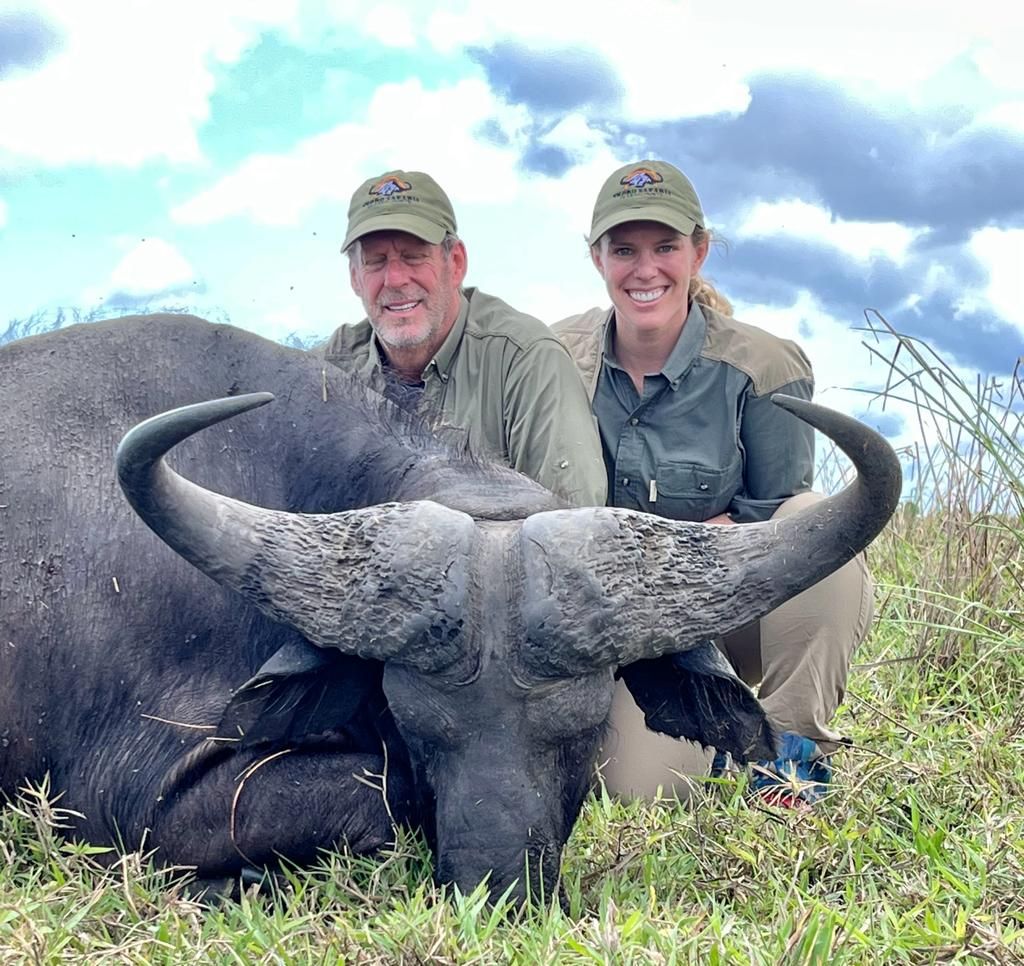
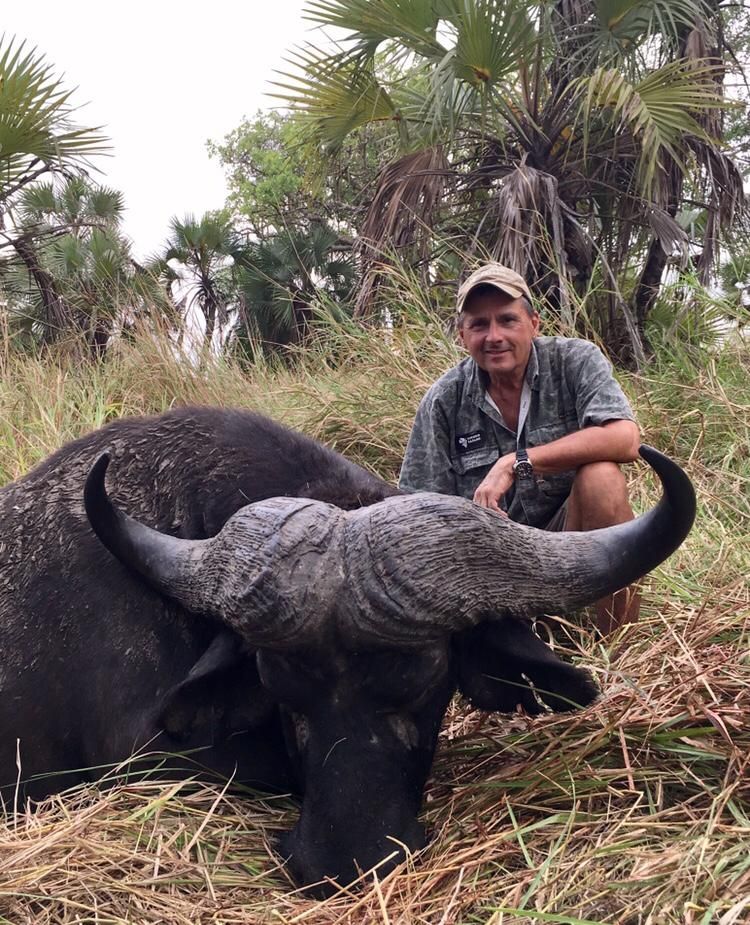
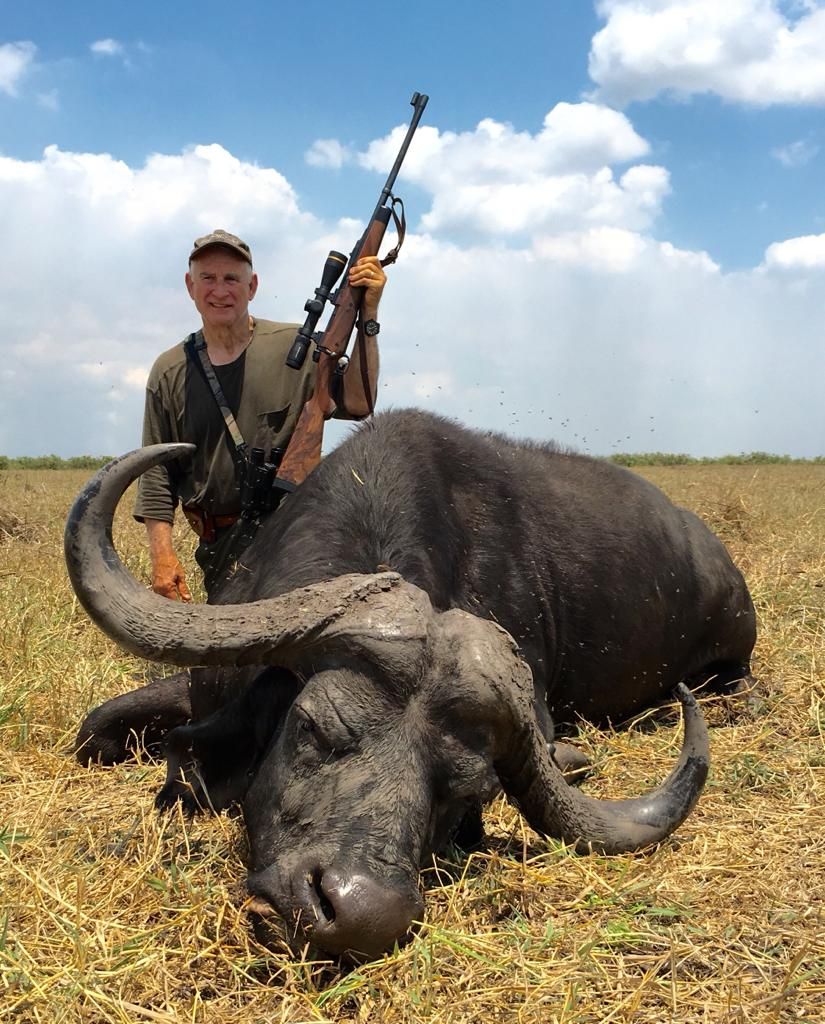
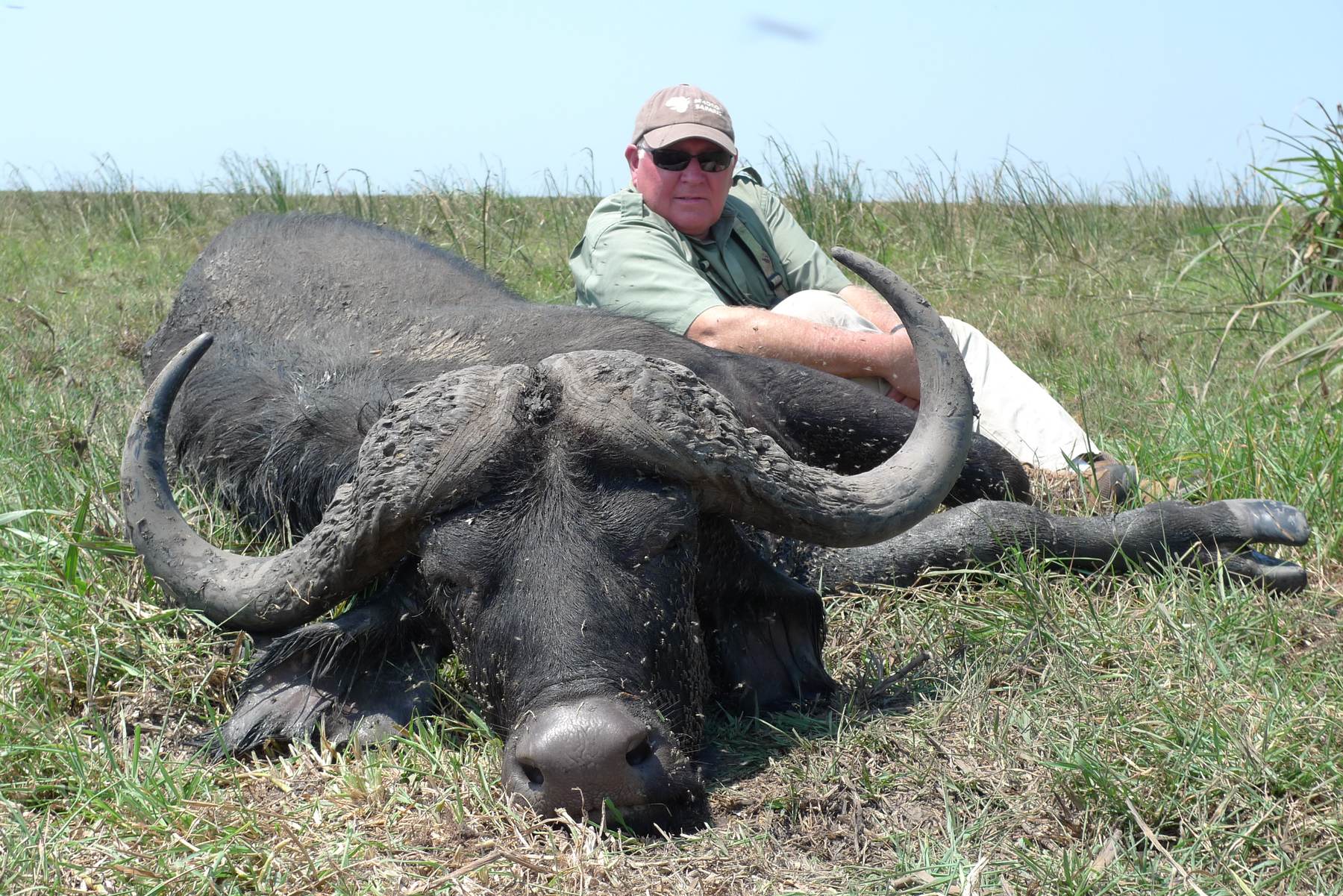
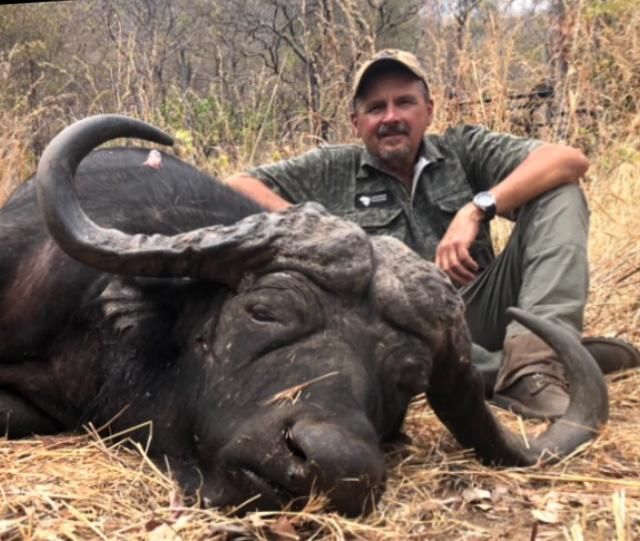
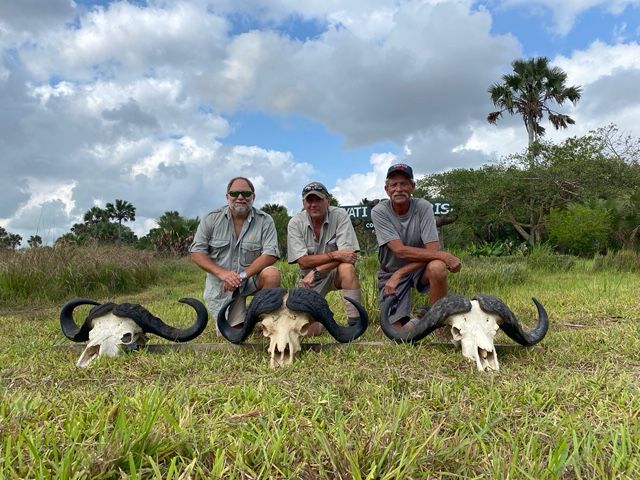
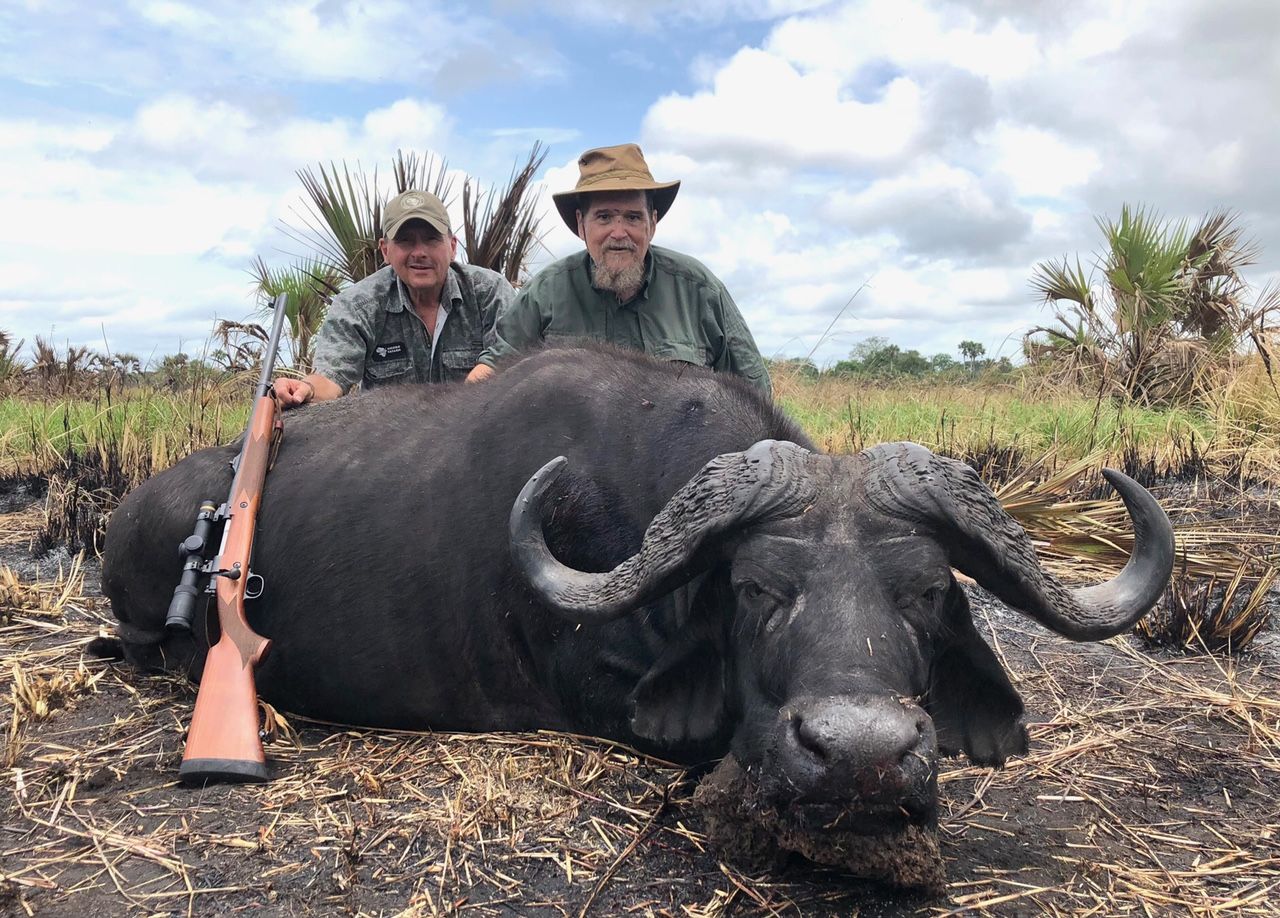
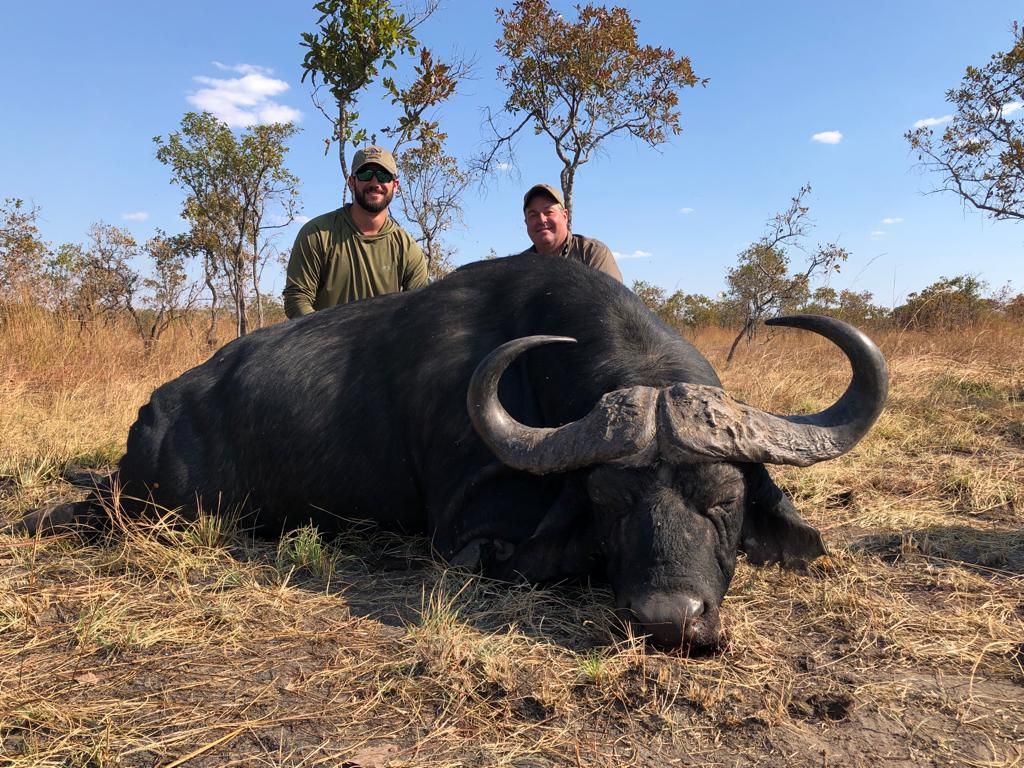
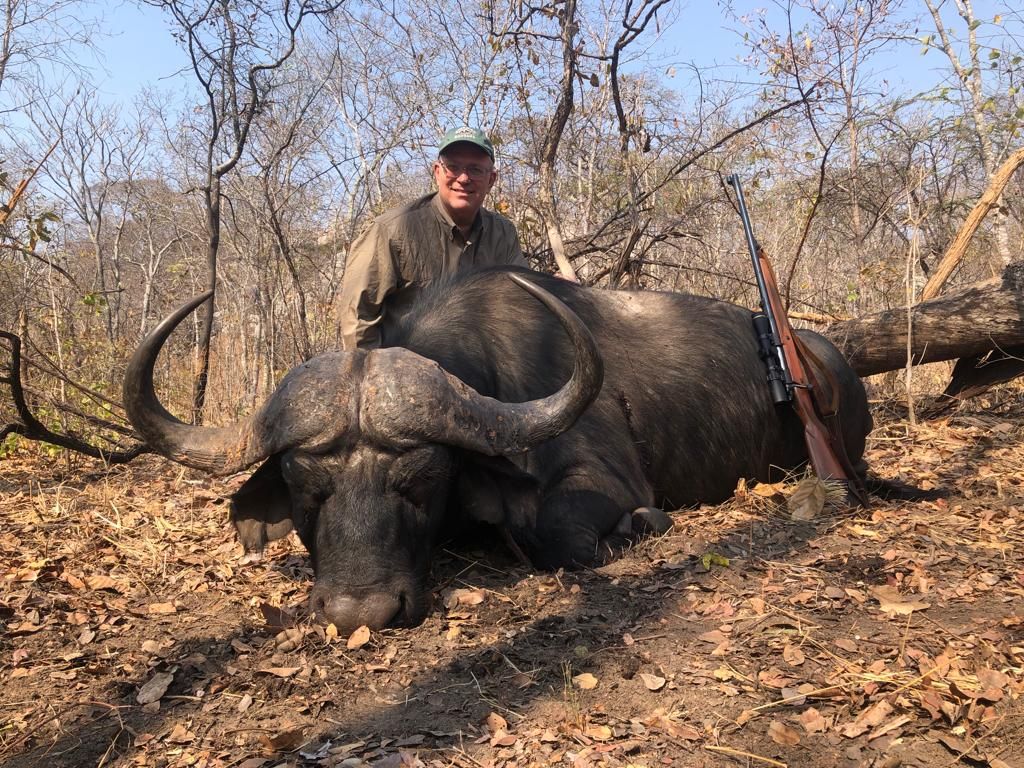
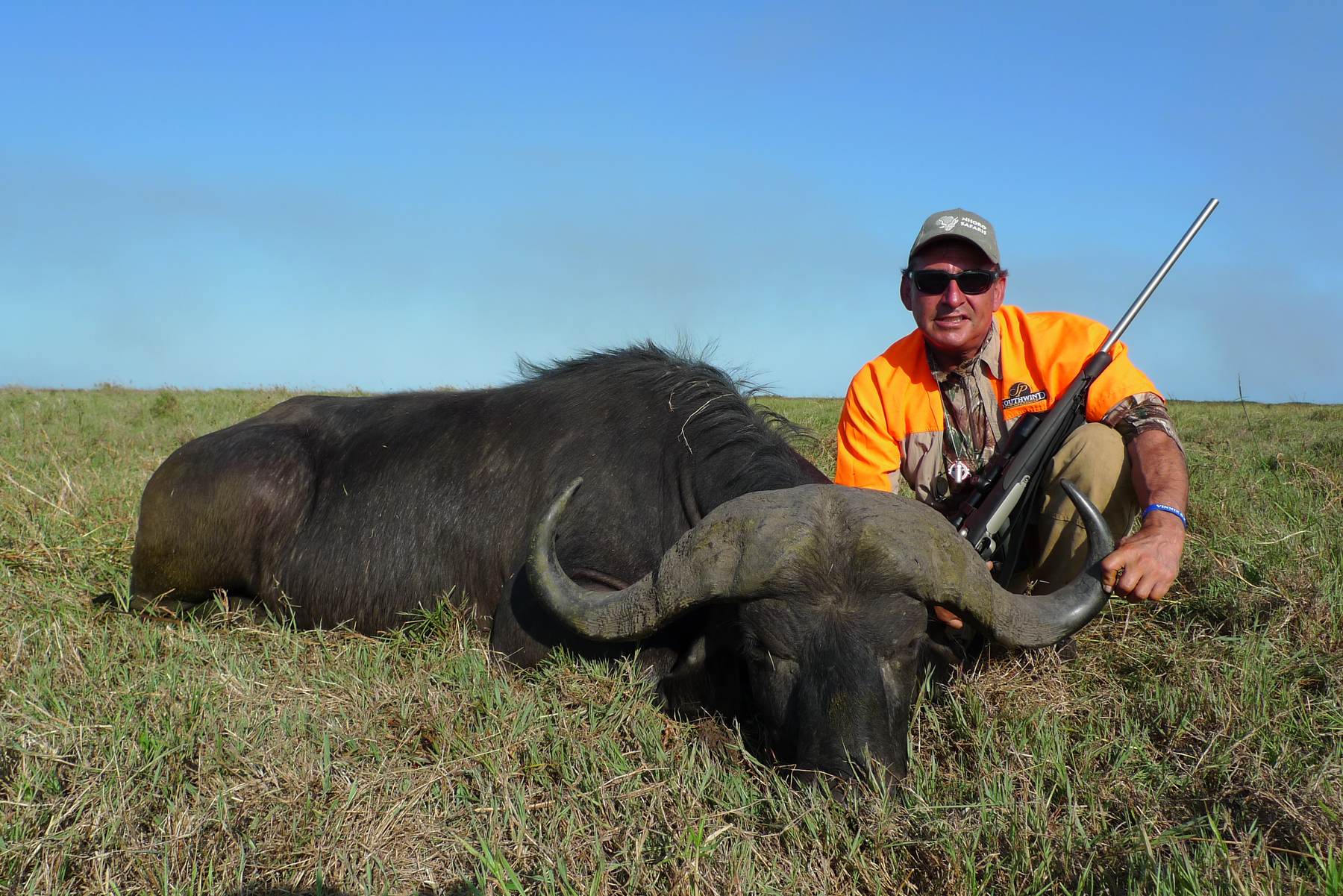
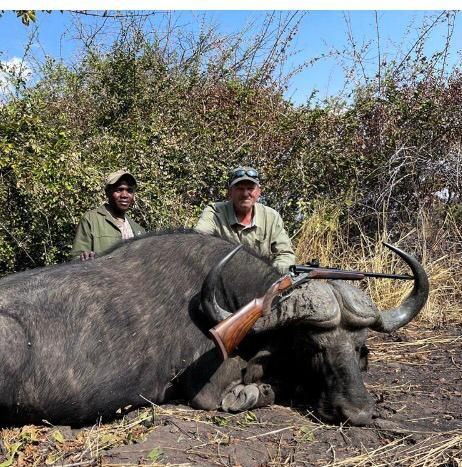
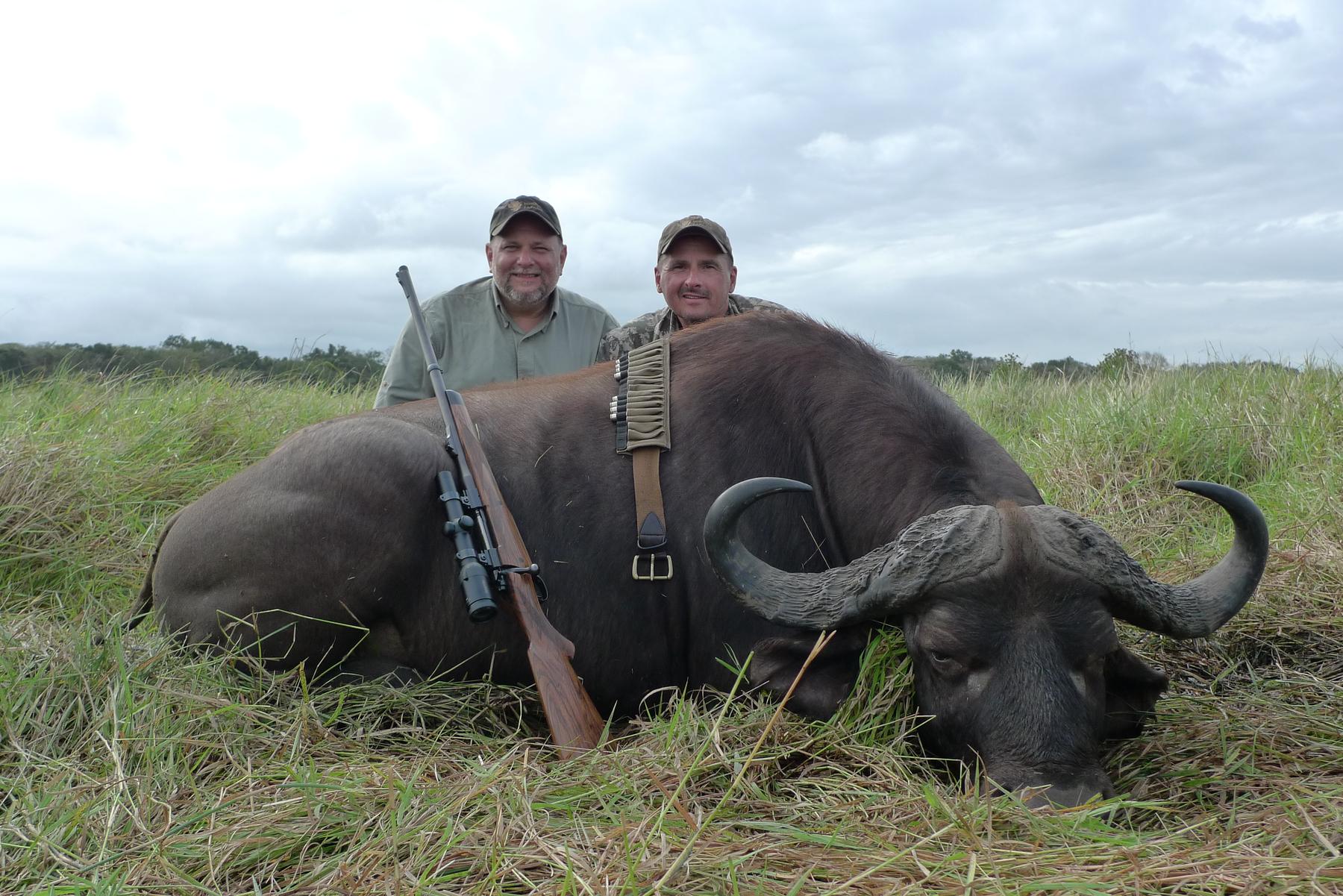
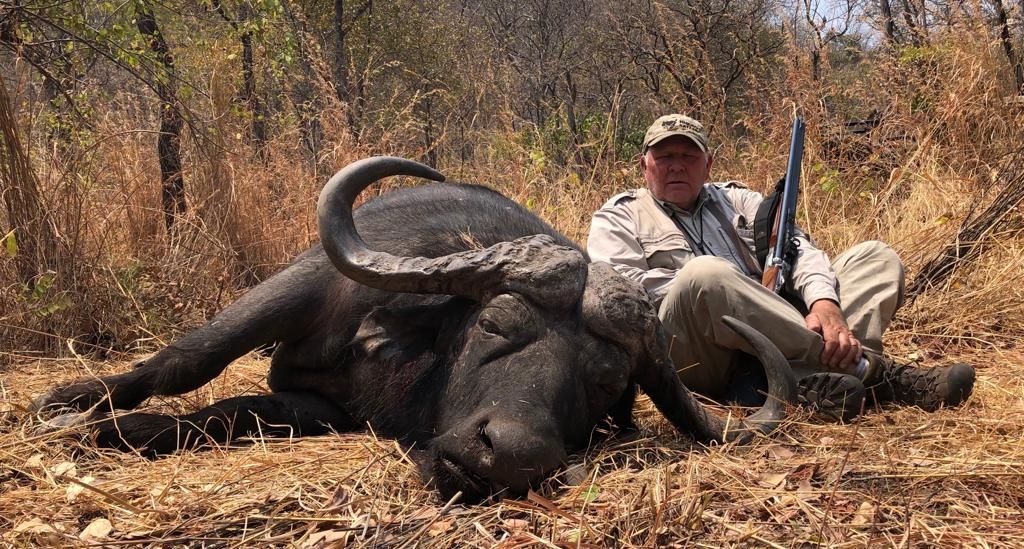
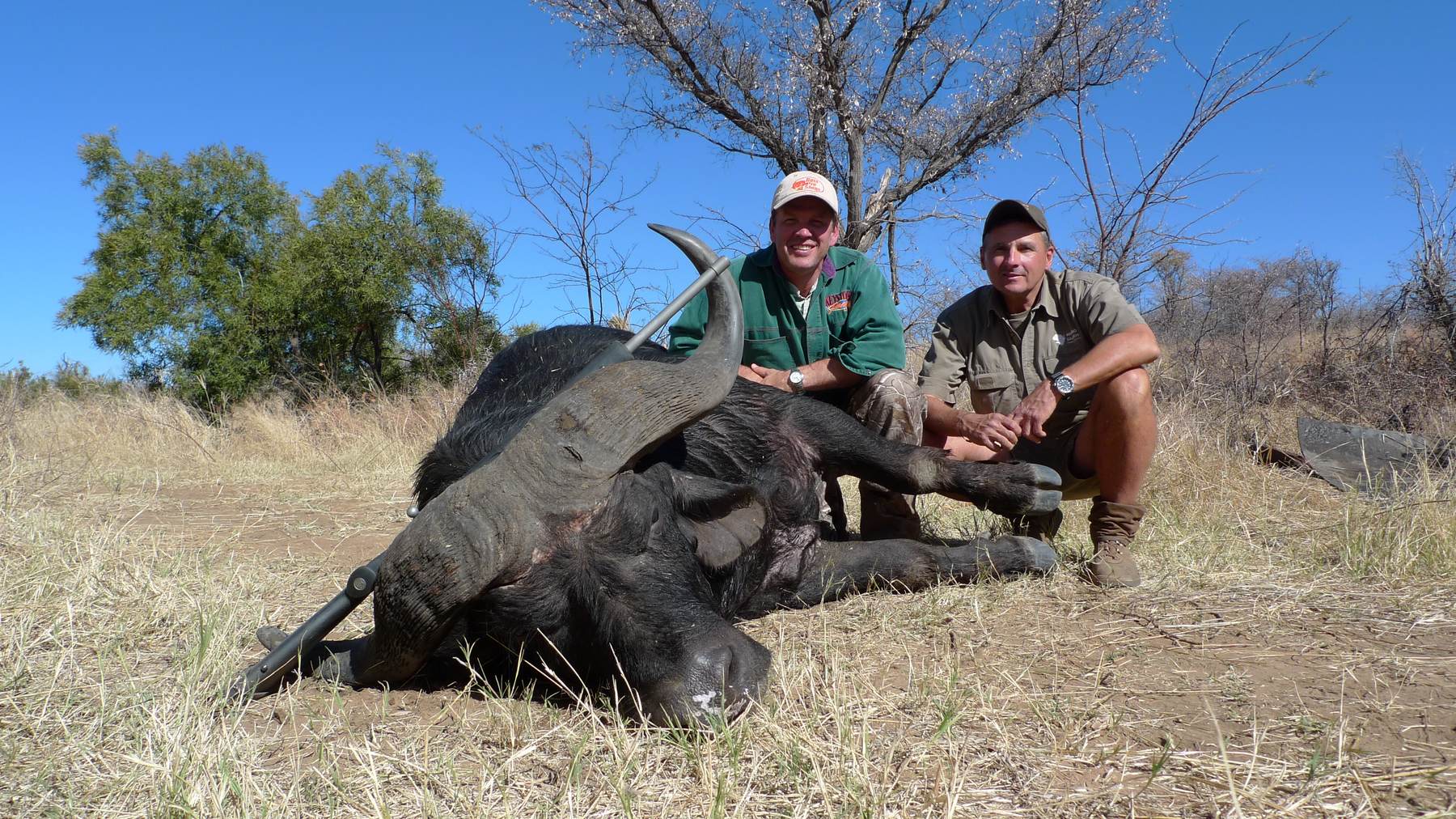
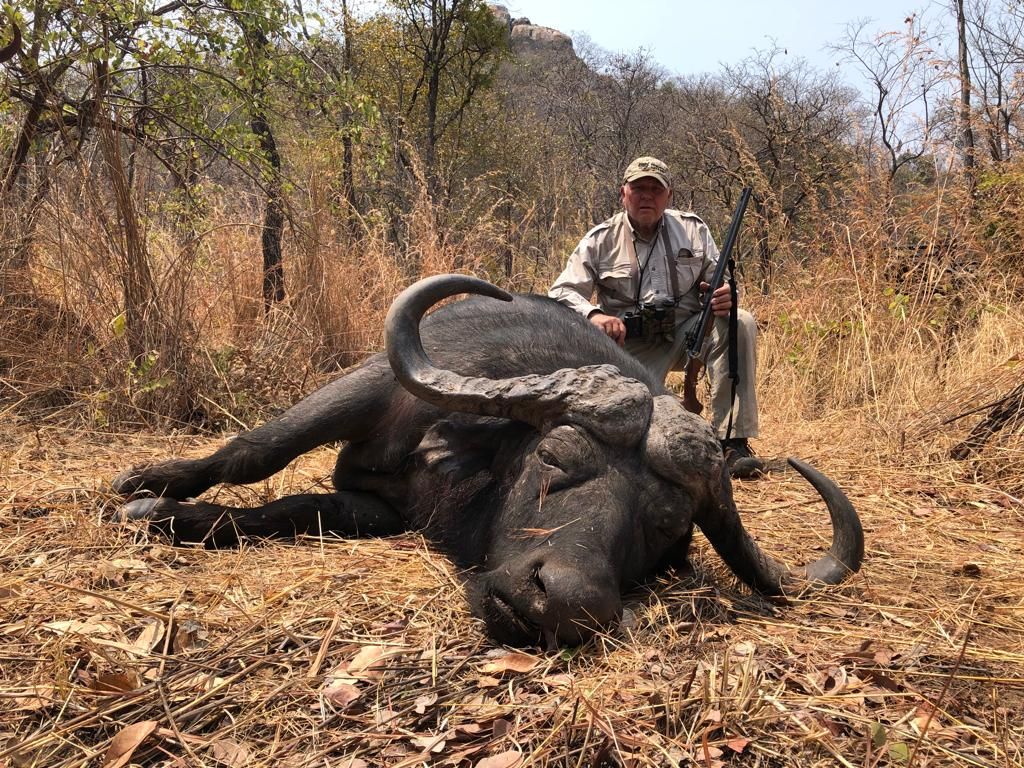
Cape buffalo are why most people come to Africa. They are abundant enough to be huntable across much of the continent, dangerous enough to demand respect, and difficult enough that a good bull feels genuinely earned.
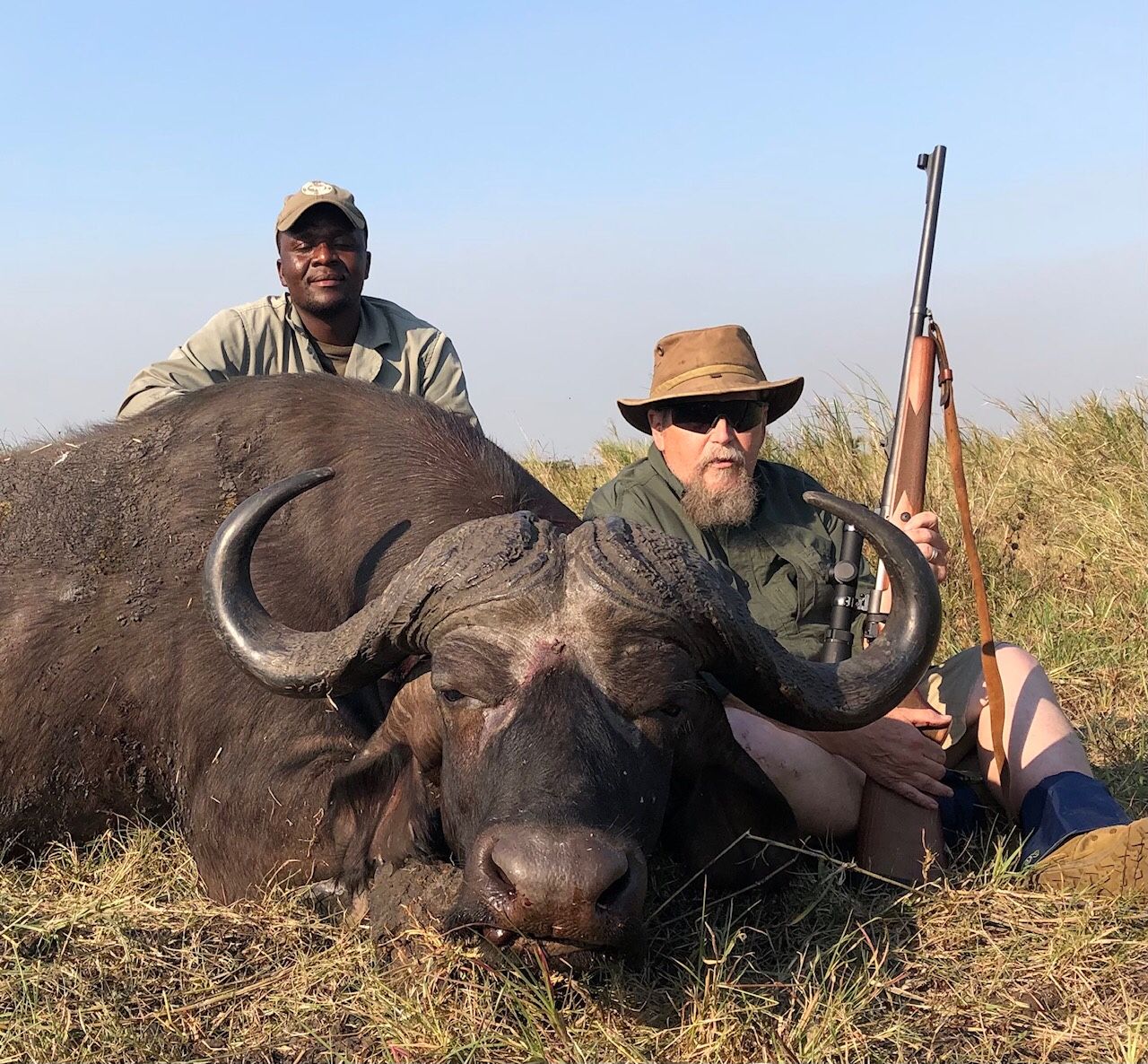
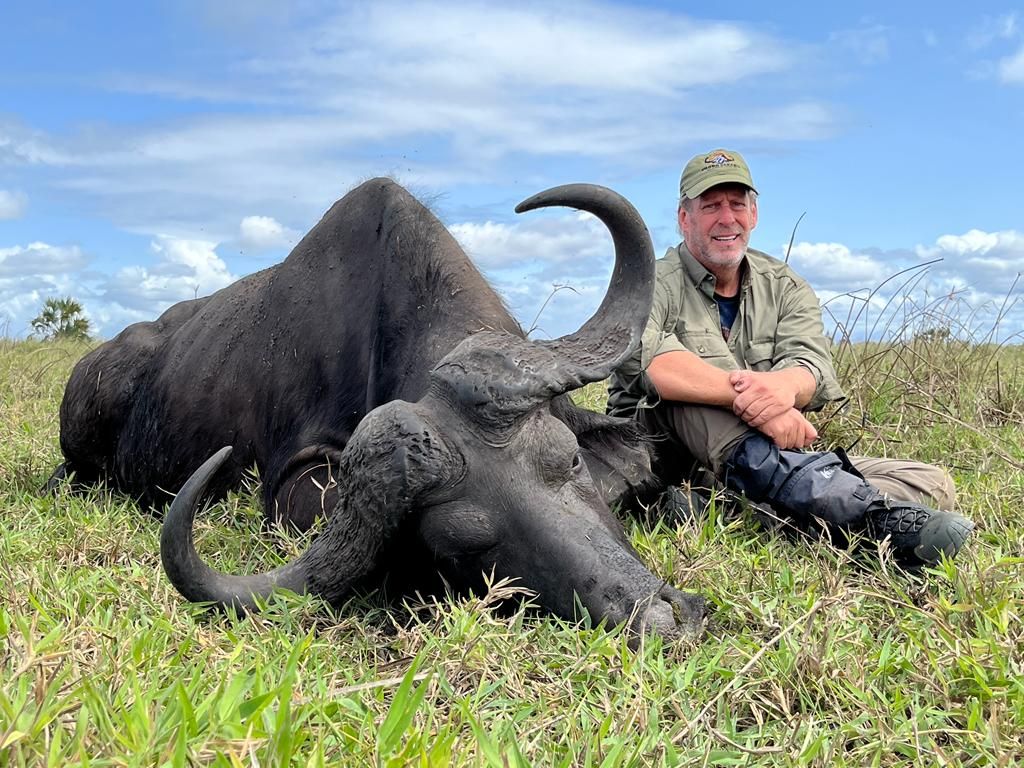
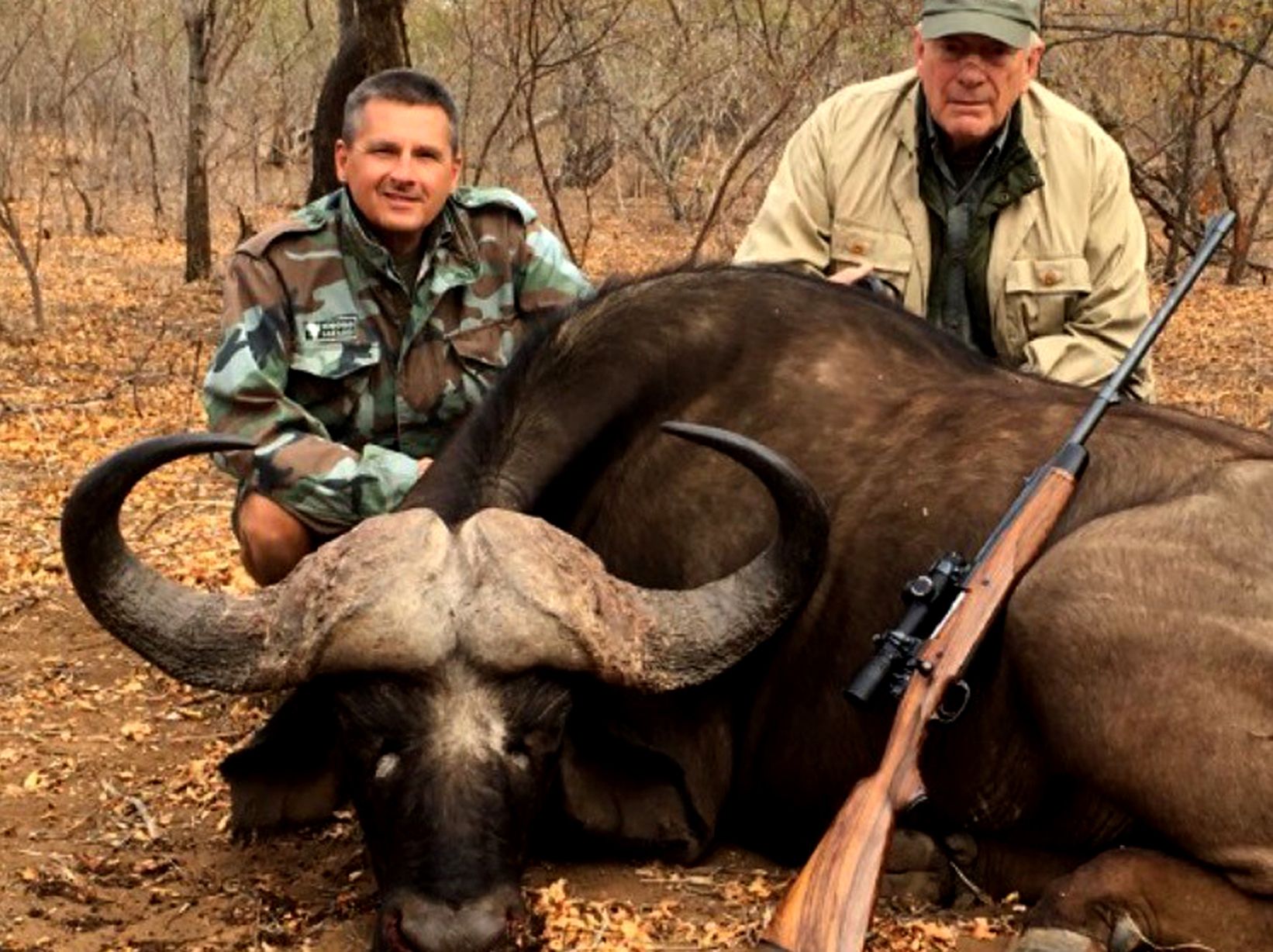
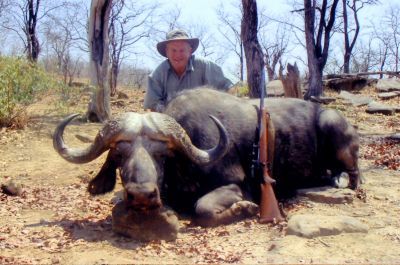
A herd bull and an old solitary bull are two different hunts. Herds of two hundred animals mean two hundred sets of eyes, ears and noses, and getting inside sixty metres of the right bull in the middle of that is a real problem. Old bulls, pushed out of the herd and living alone or in small bachelor groups, are calmer, harder to find, and carry the better bosses. Hunters call them dagga boys, from the Shona word for mud.
Where we hunt them — and what they cost
We take buffalo in two countries and they are two genuinely different hunts at two genuinely different prices.
South Africa — the accessible buffalo
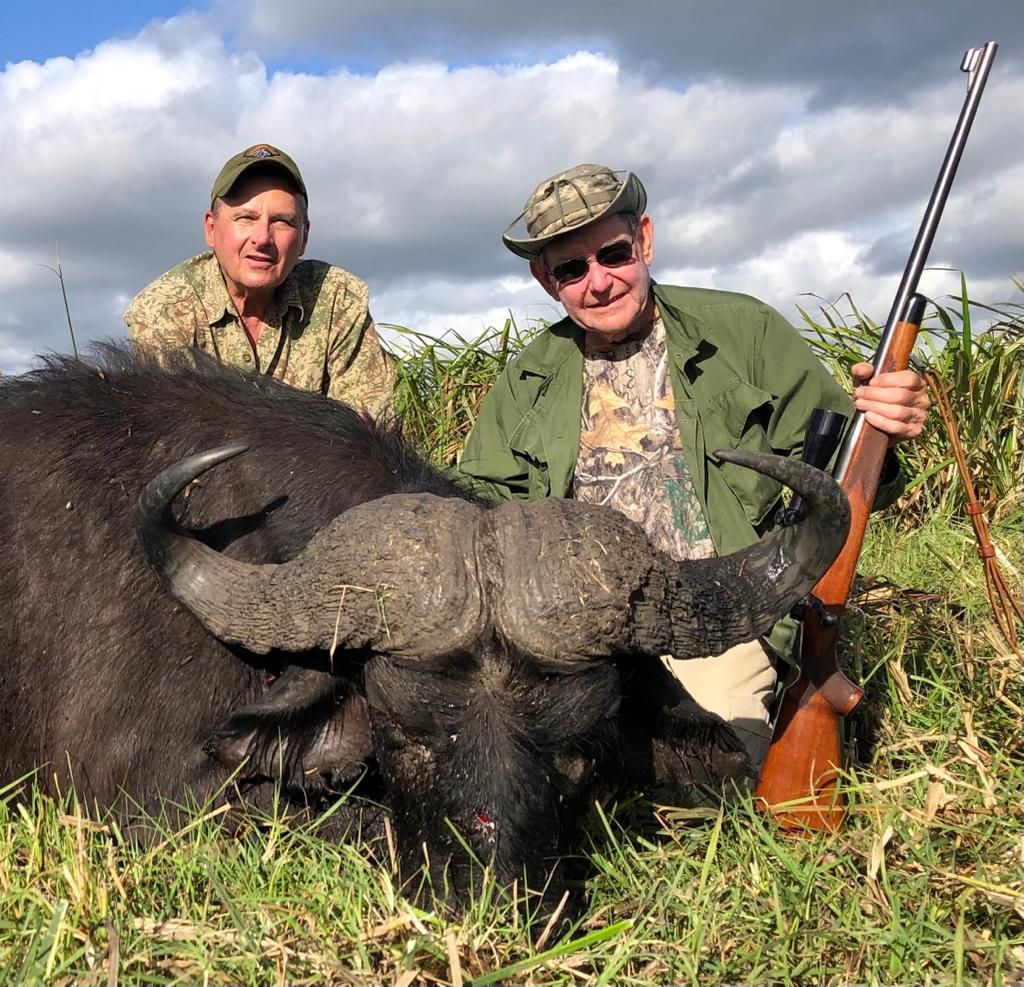
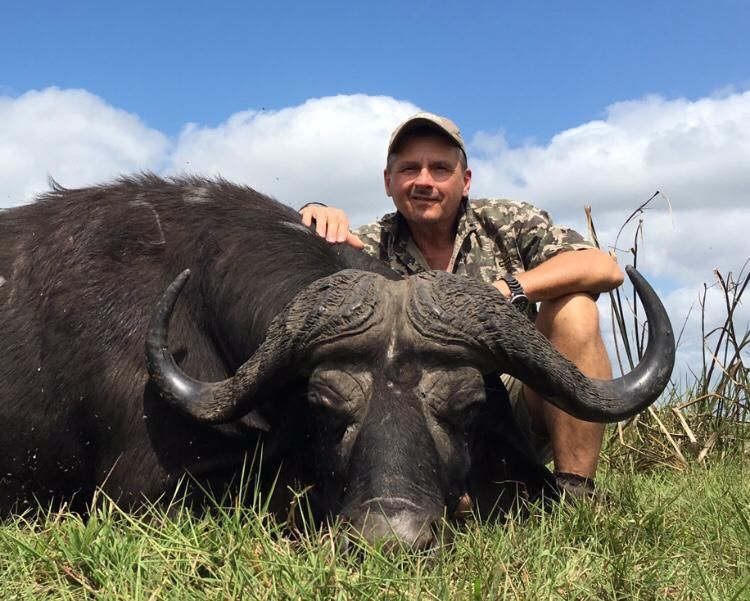
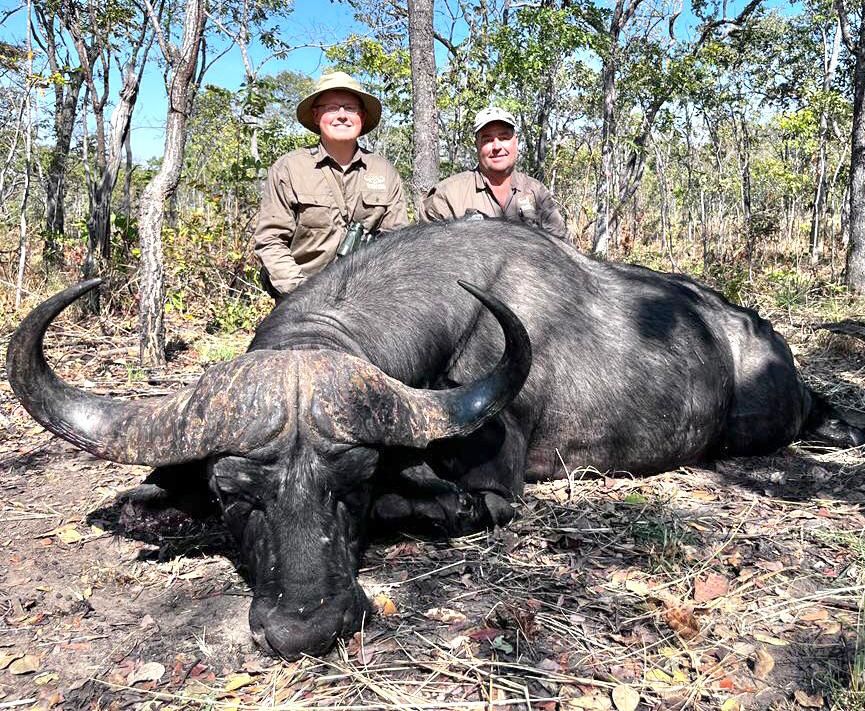
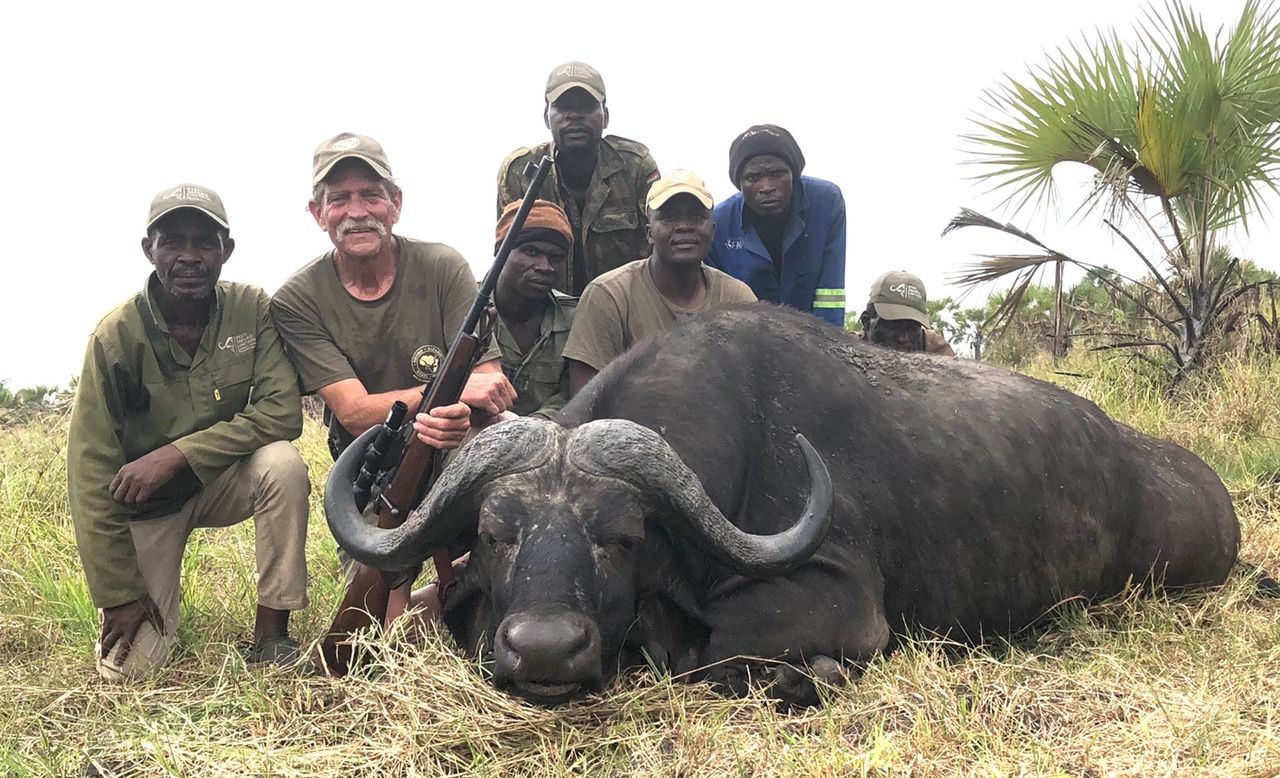
Our Limpopo property holds Cape buffalo across 20,000 acres with no internal fences, and this is by a clear margin the more affordable of the two. Shorter safari, no charter flights, easy logistics through Johannesburg, and it combines naturally with a full plains game list on the same trip.
If this is your first buffalo, or if budget is a real consideration, this is the sensible route and we will tell you so rather than pushing you toward the expensive option.
Mozambique — the premium hunt
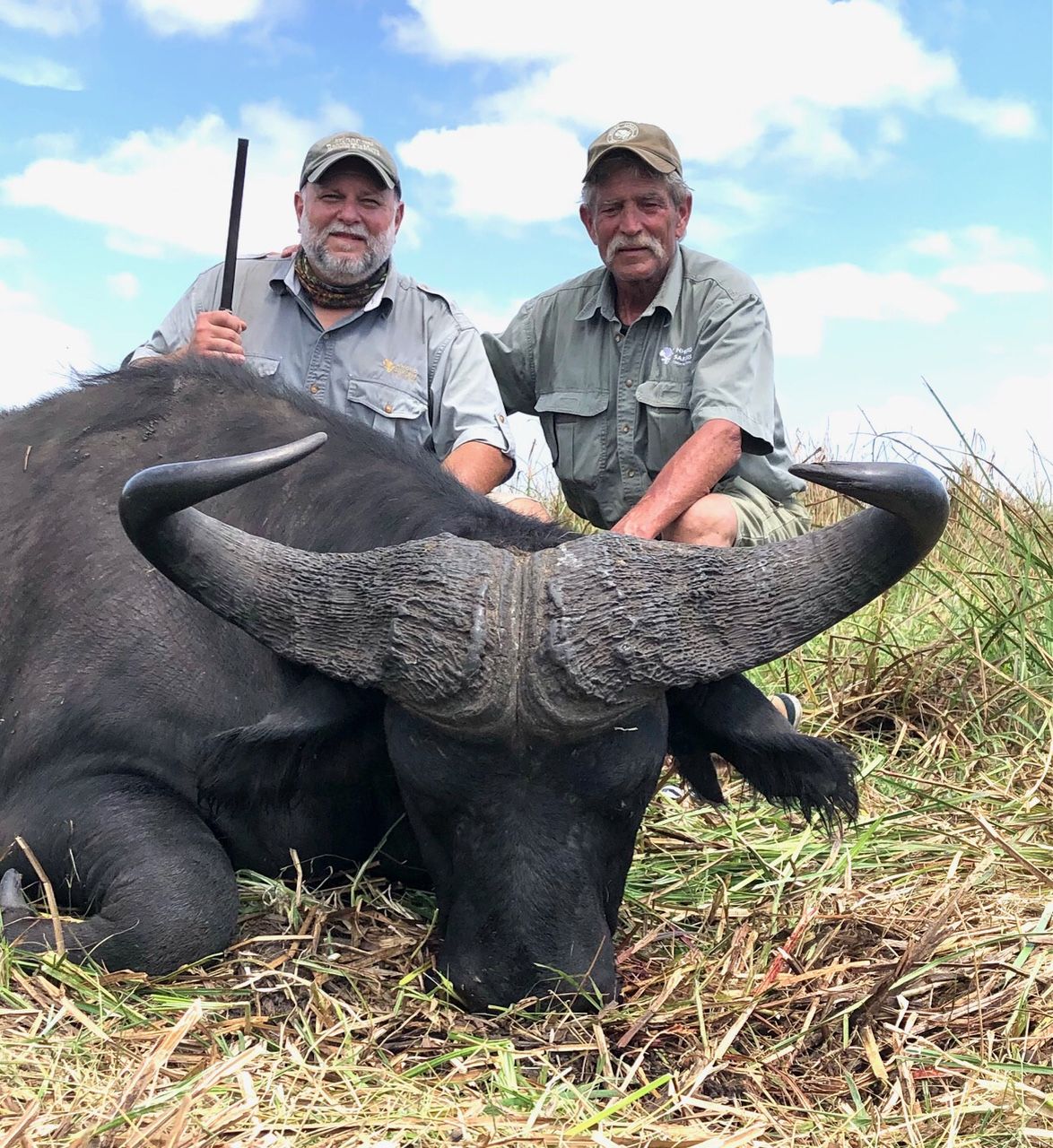
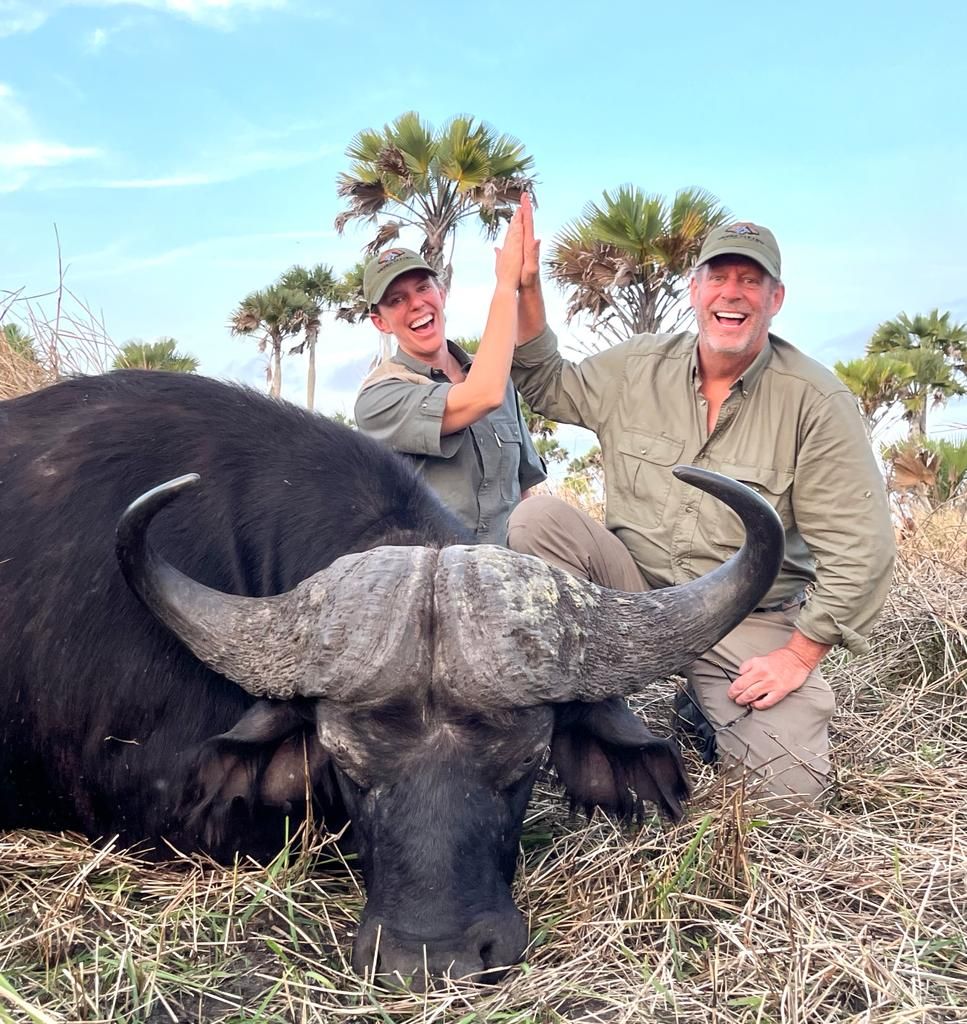
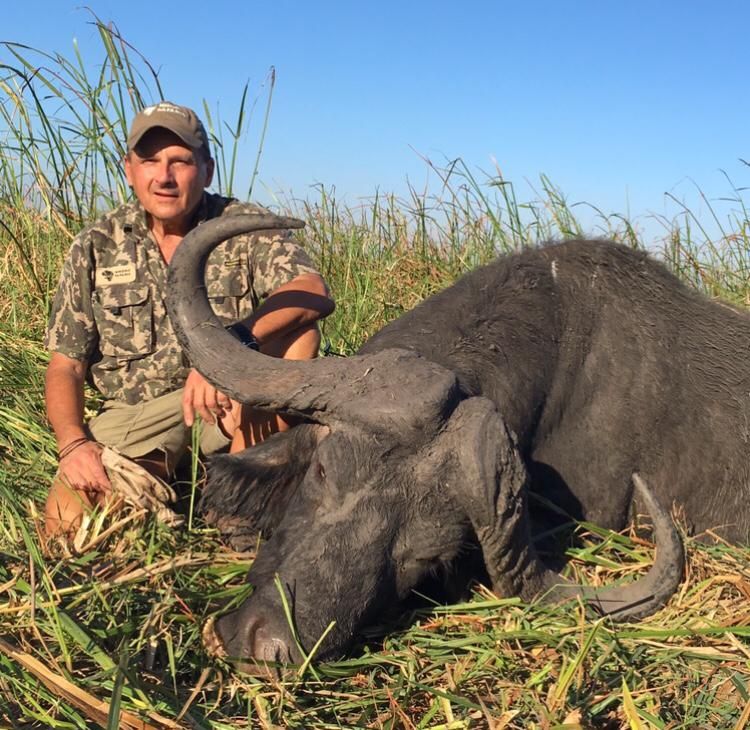
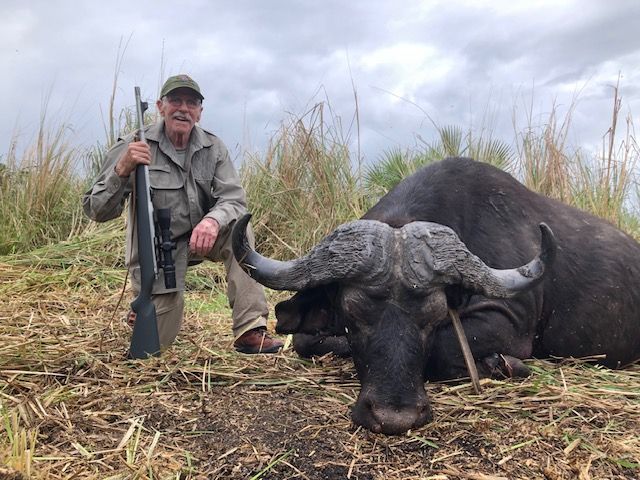
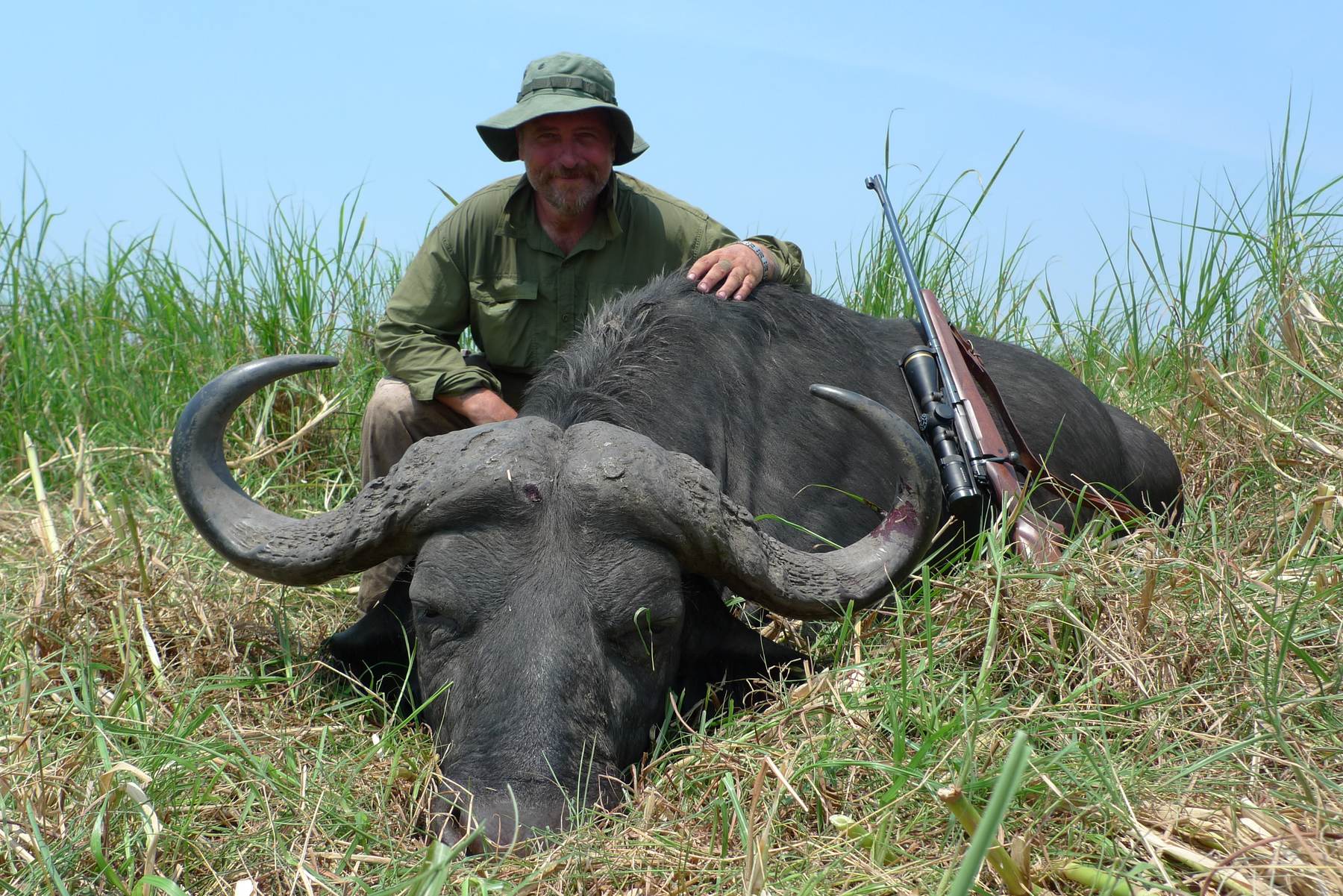
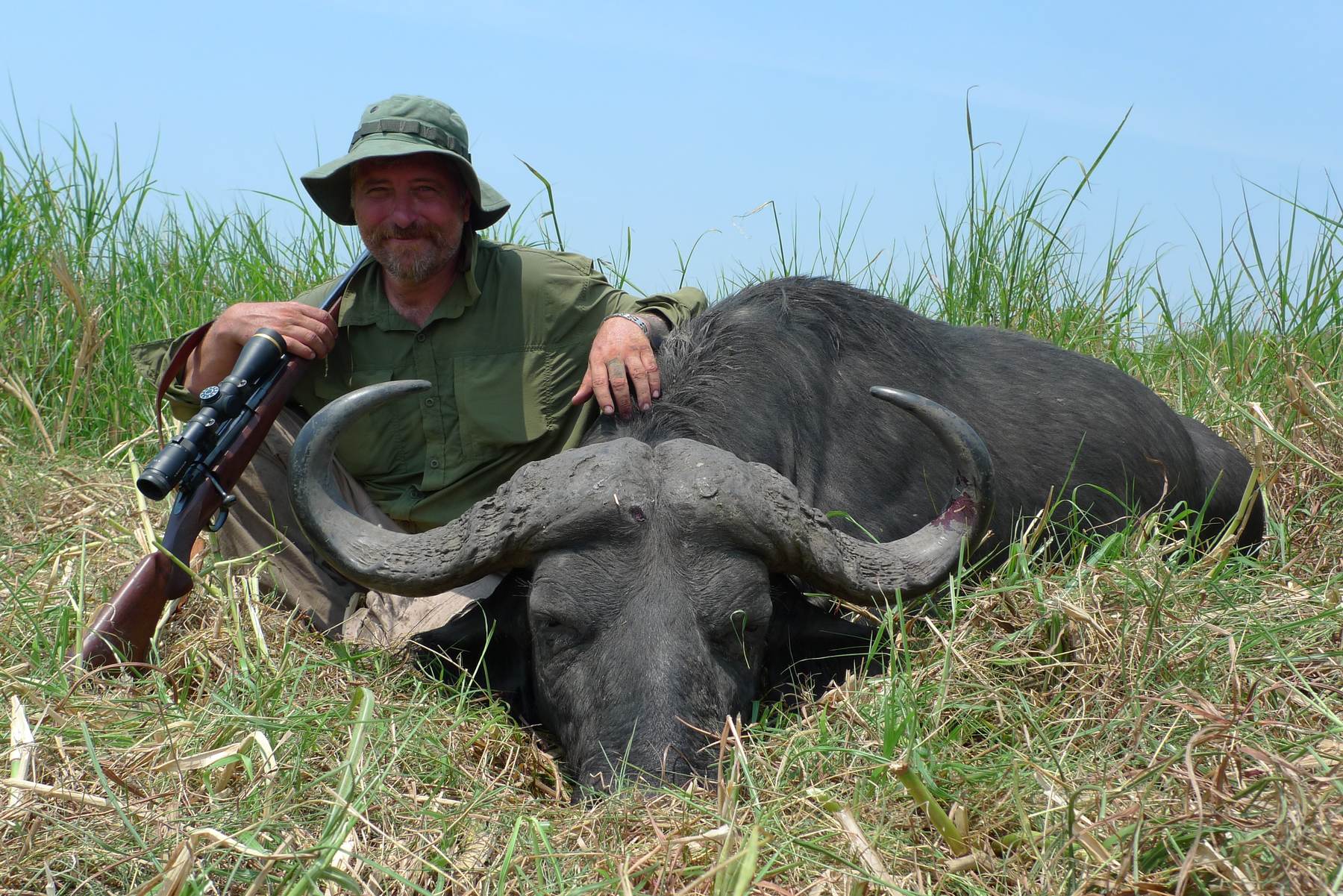
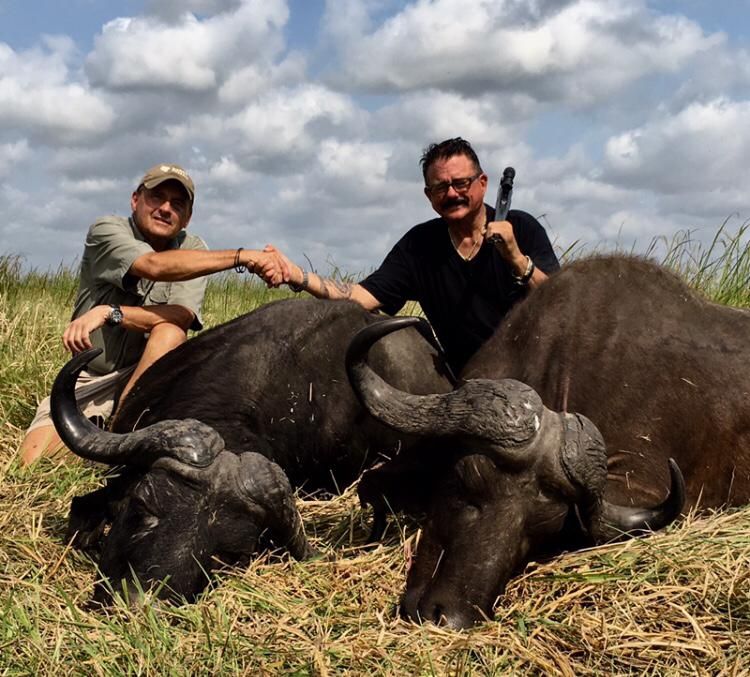
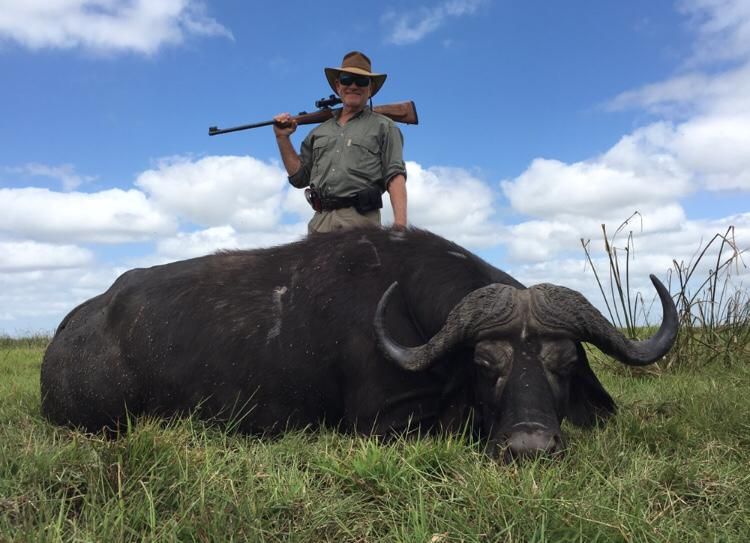
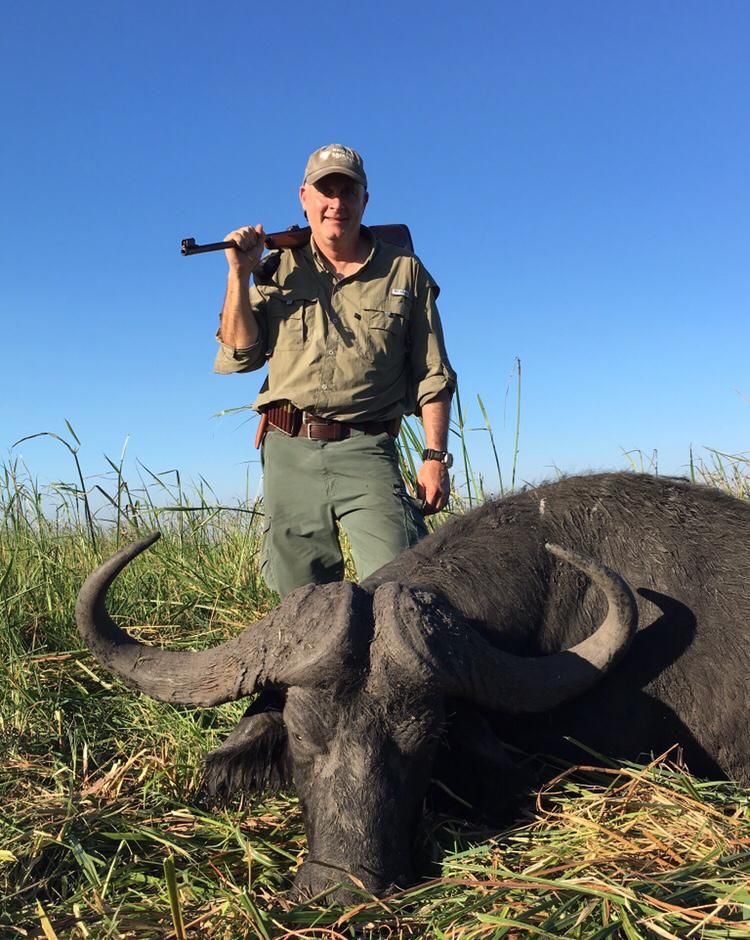
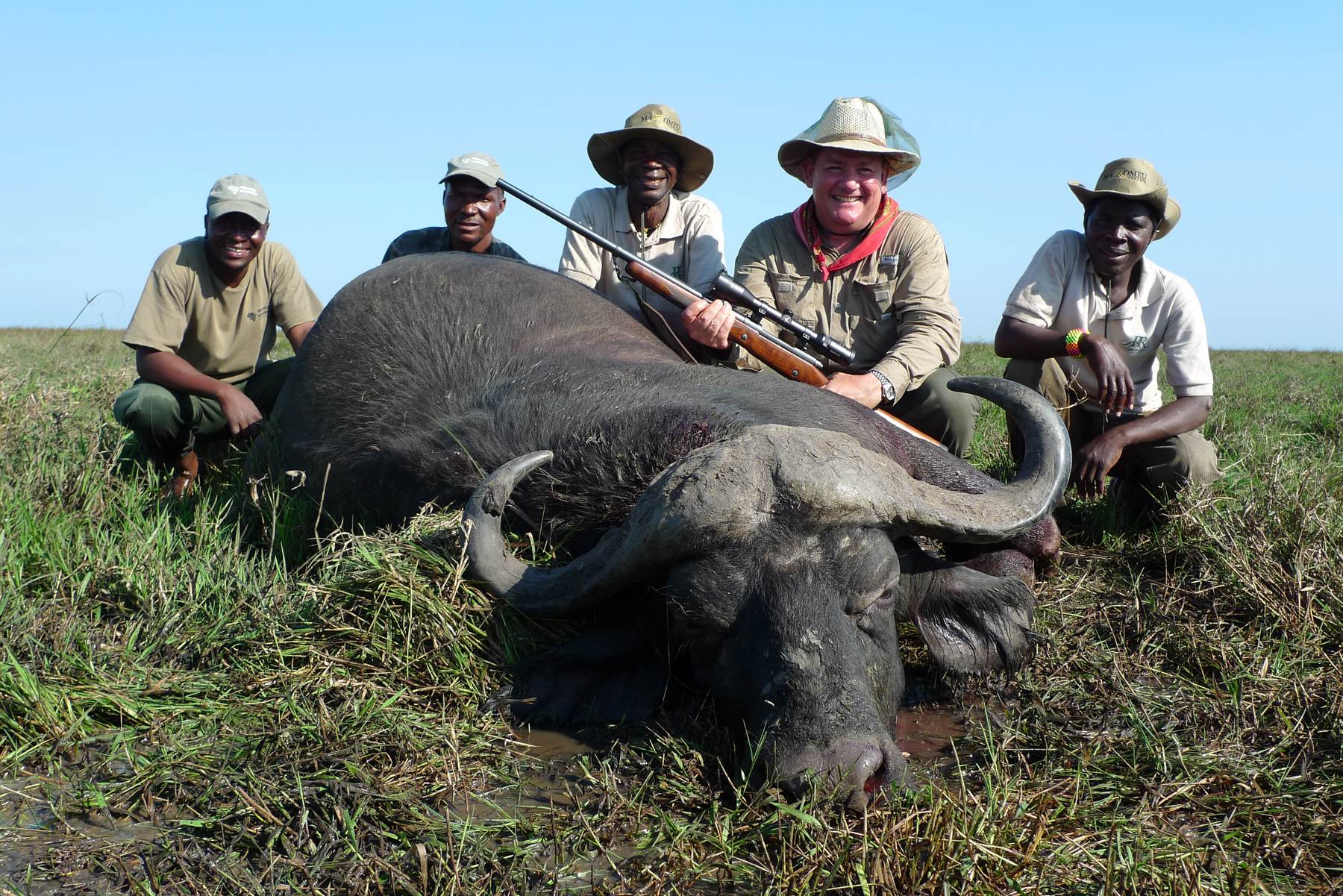
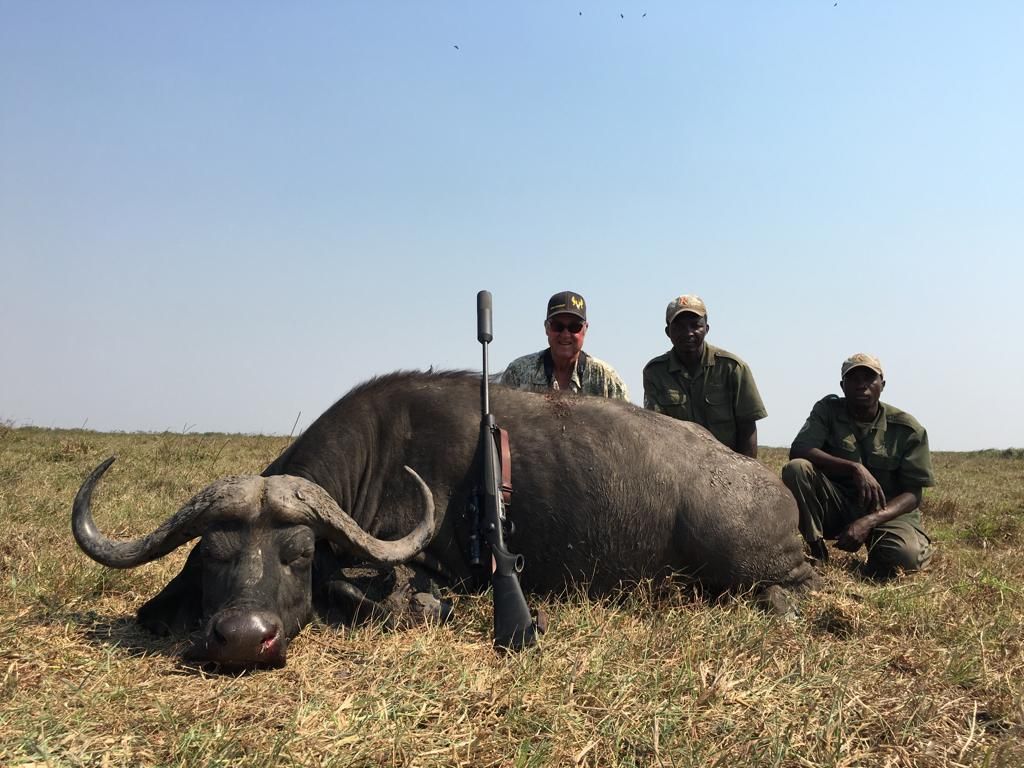
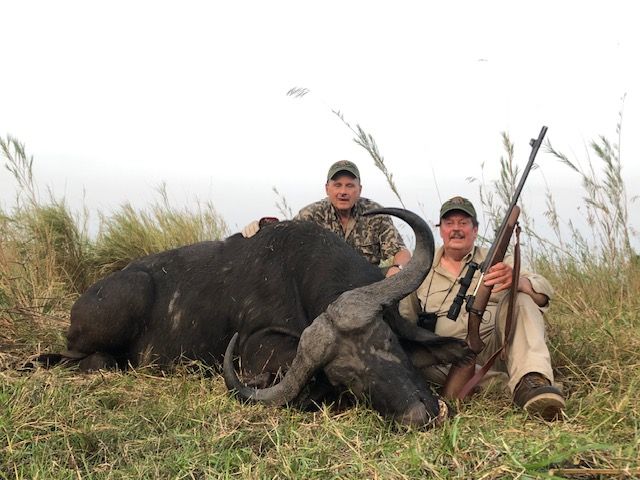
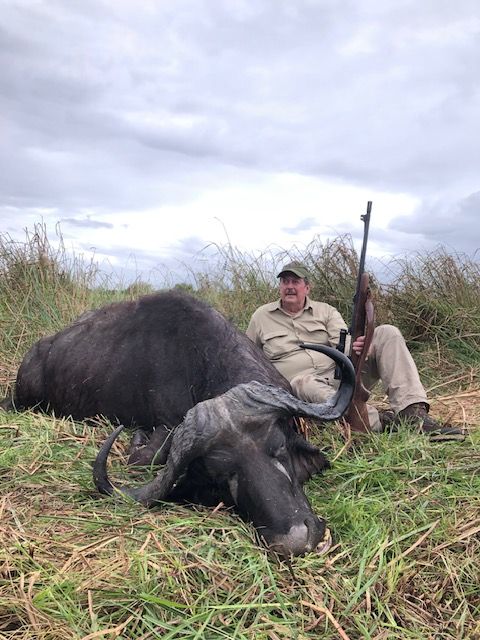
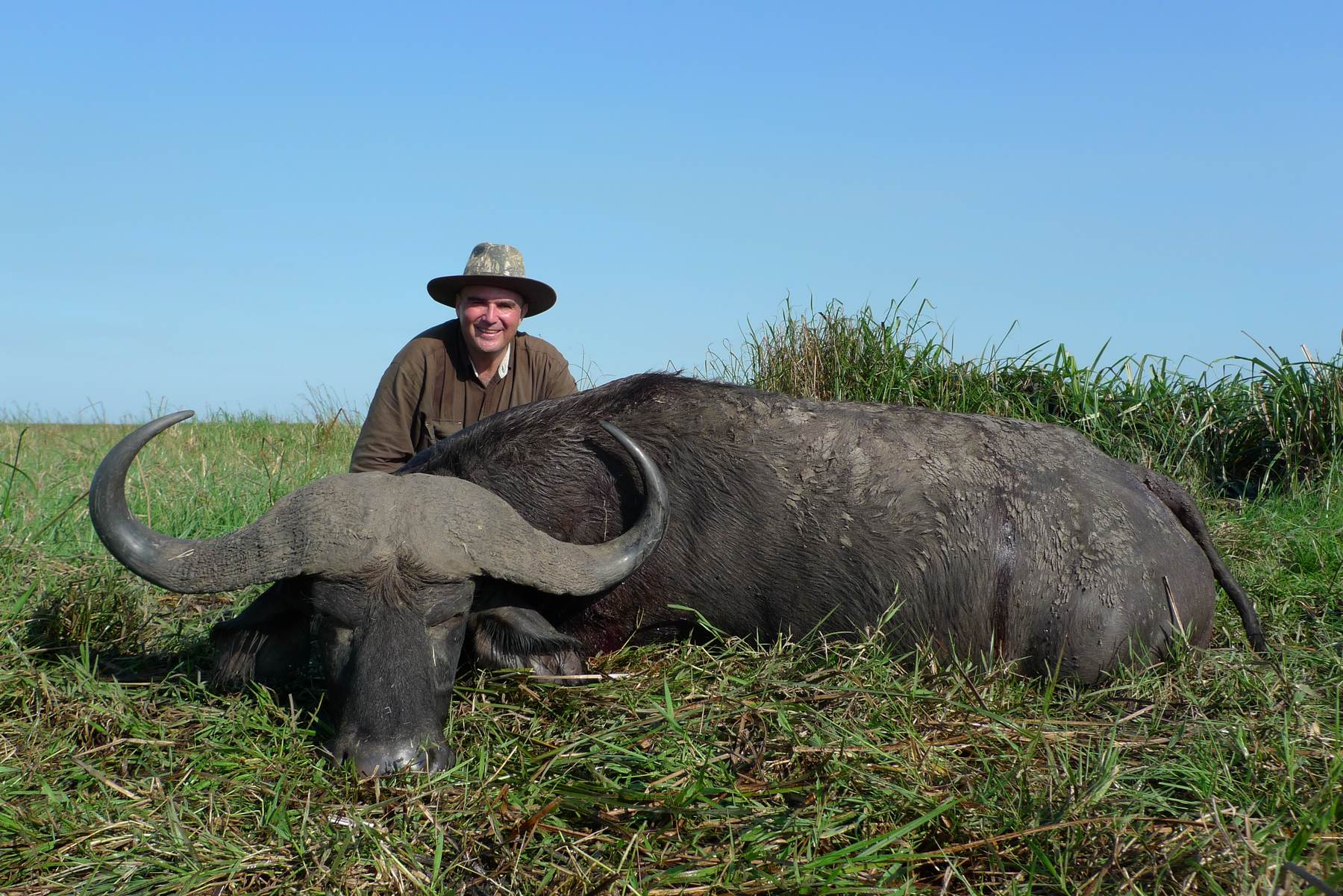
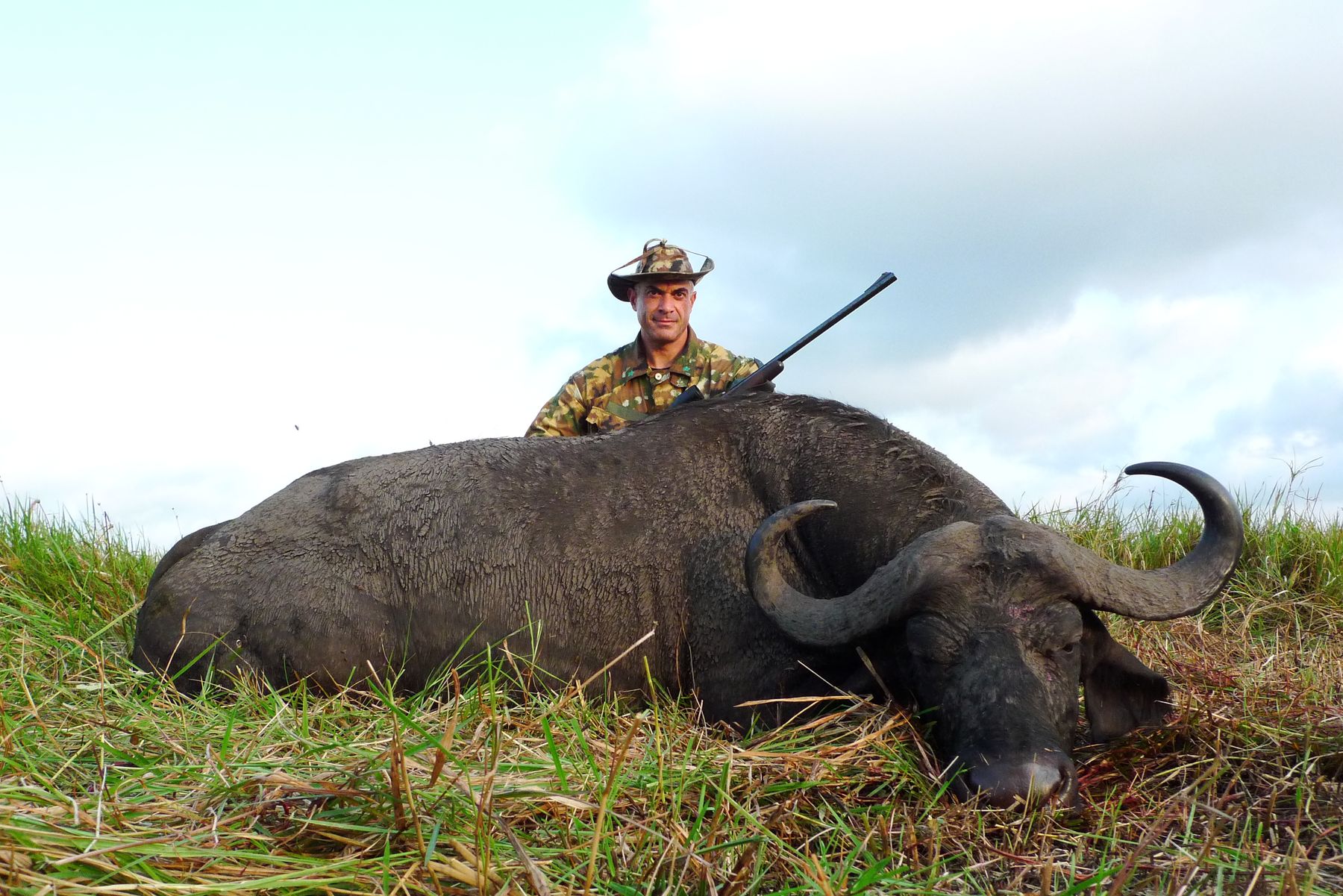
The Zambezi Delta is the specialist choice and it is priced as the premium hunt. A 250,000-acre concession with no fences on any of it, flood-plain country, tall grass and thick coastal thicket. The bulls here carry noticeably heavier bosses than buffalo from the drier interior, and the hunting is close, wet and tense.
The season is fixed and narrow — end of July to the beginning of September, once the annual floodwaters have receded. Expect to hunt a few days before the right dagga boy turns up, though it has come together on day one more than once.
For a second or third buffalo, or for a hunter who wants the hardest and best version of this hunt, the Delta is worth the difference.
Judging a bull in the field
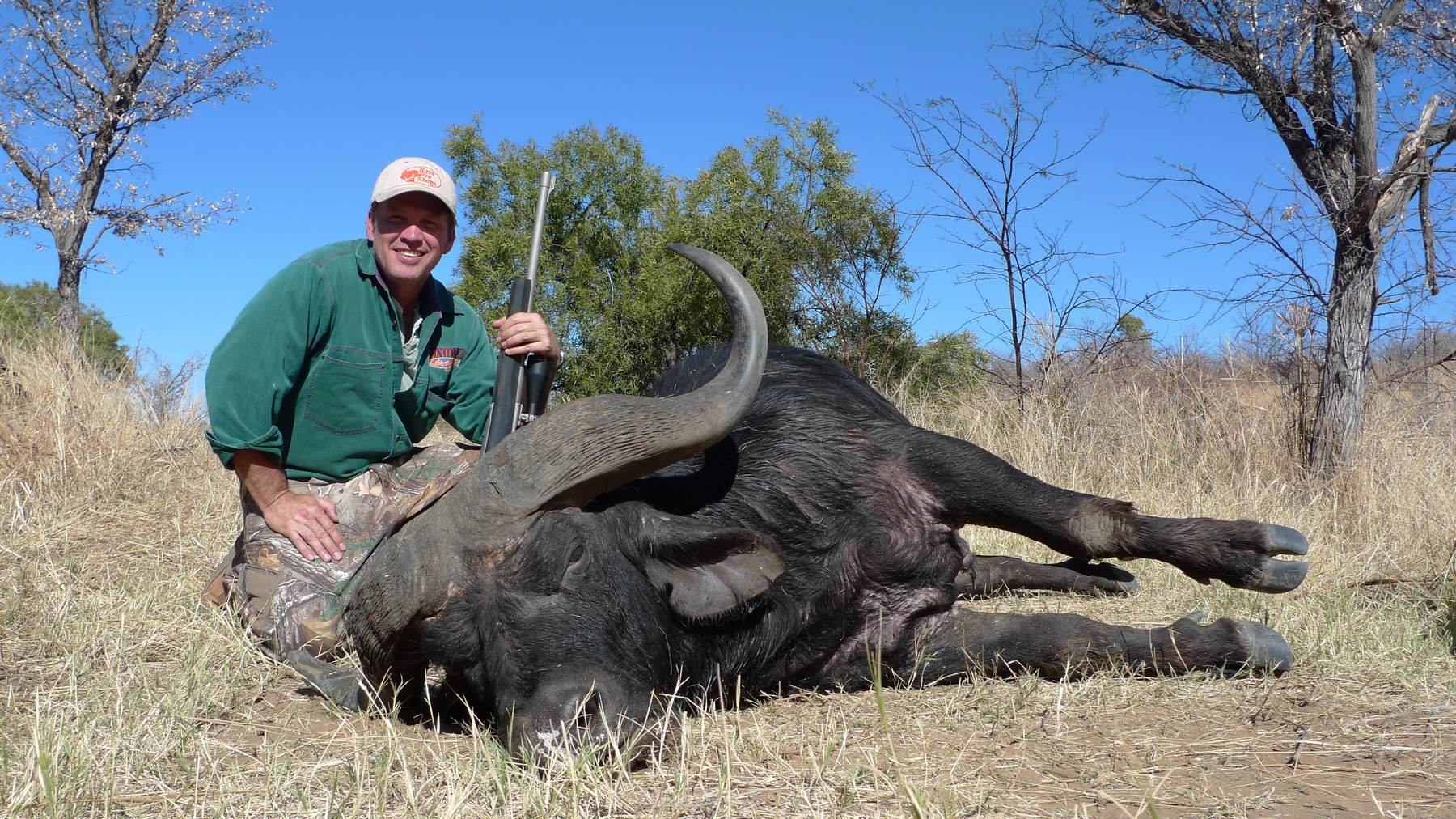
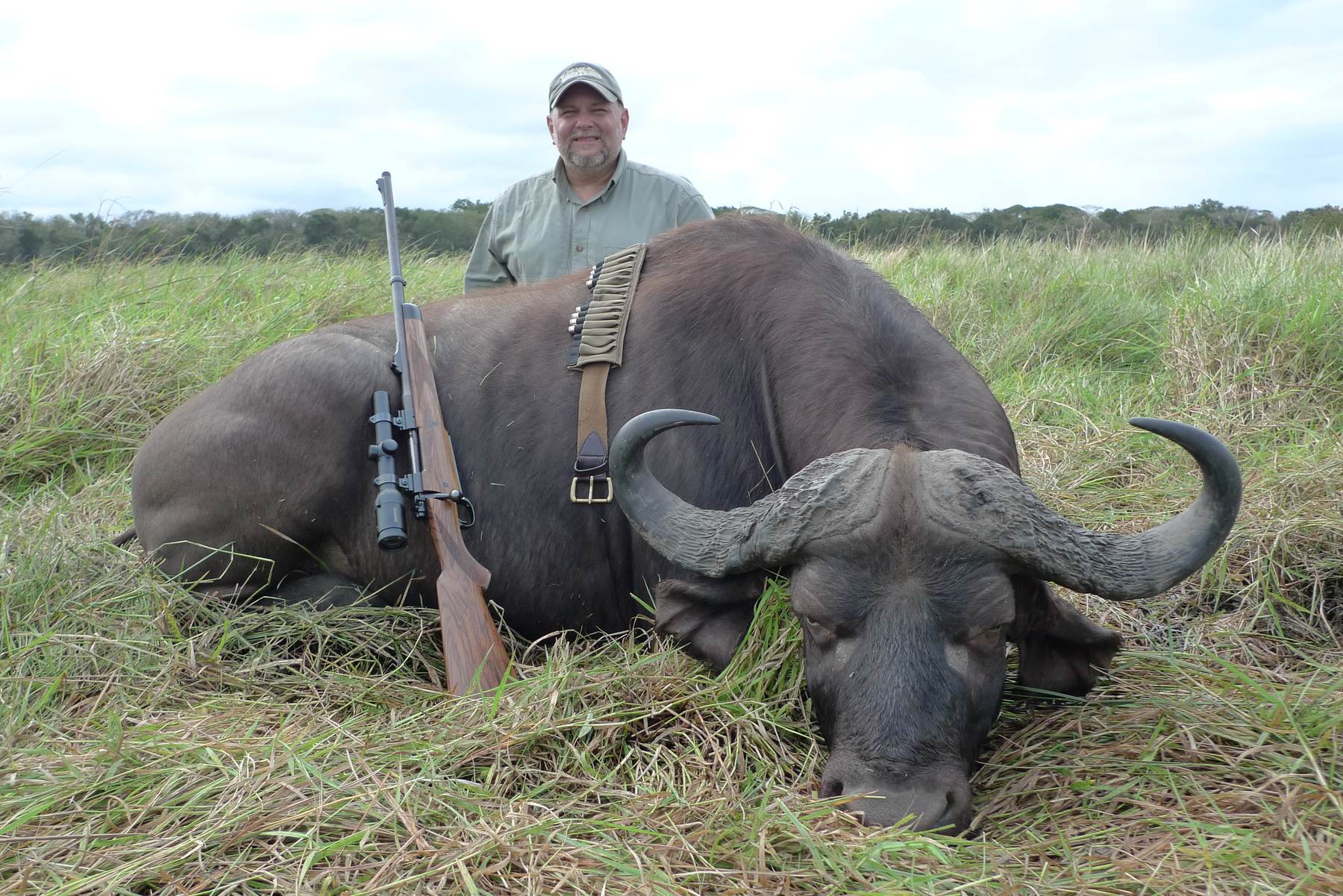
Width photographs well and means very little. What matters is the boss.
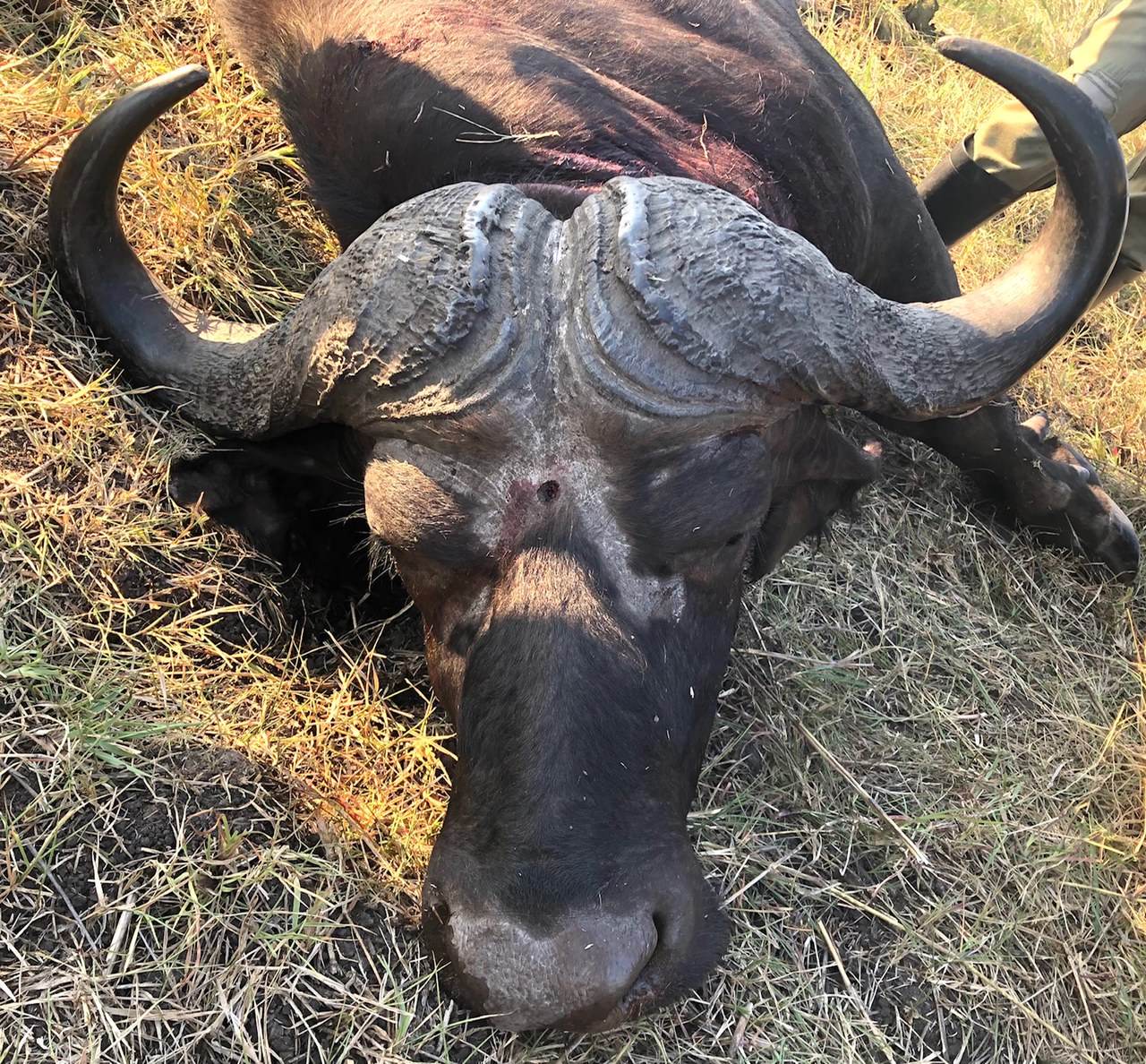
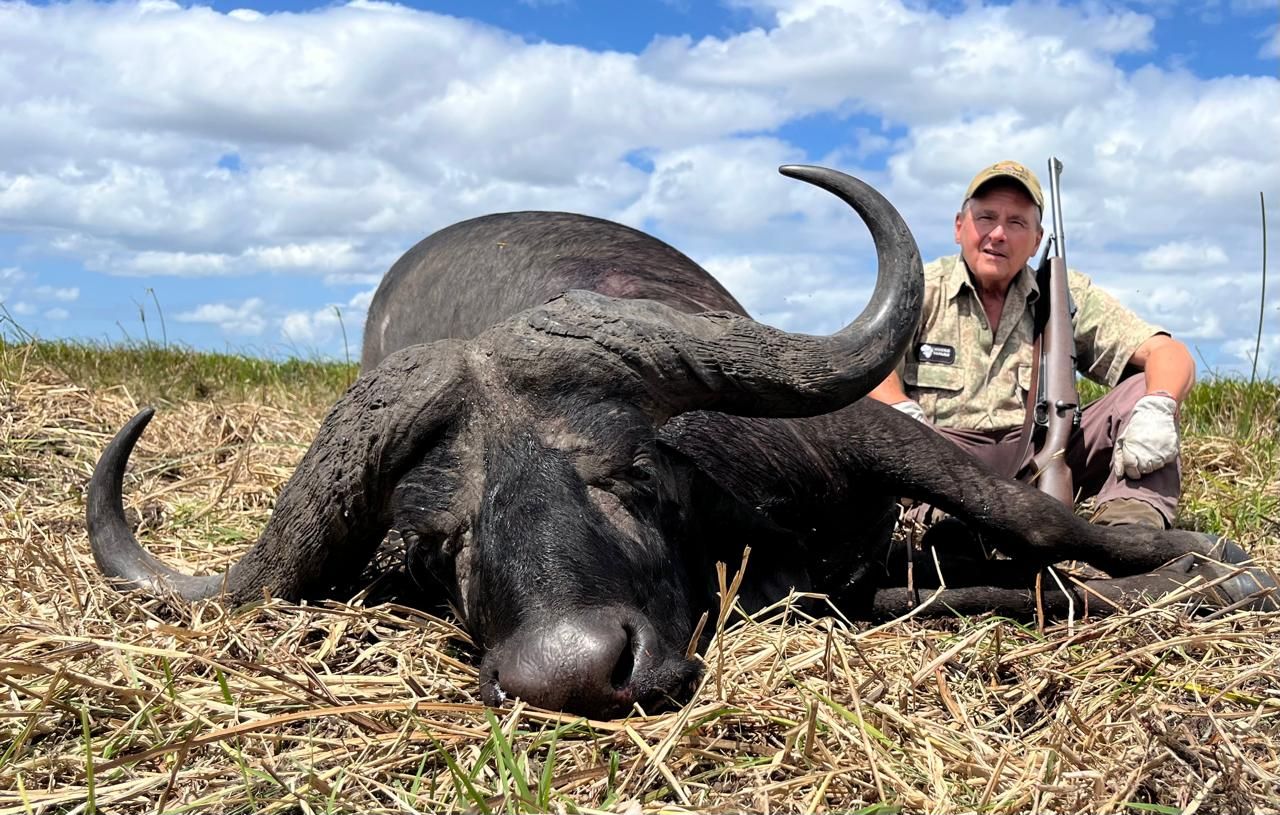
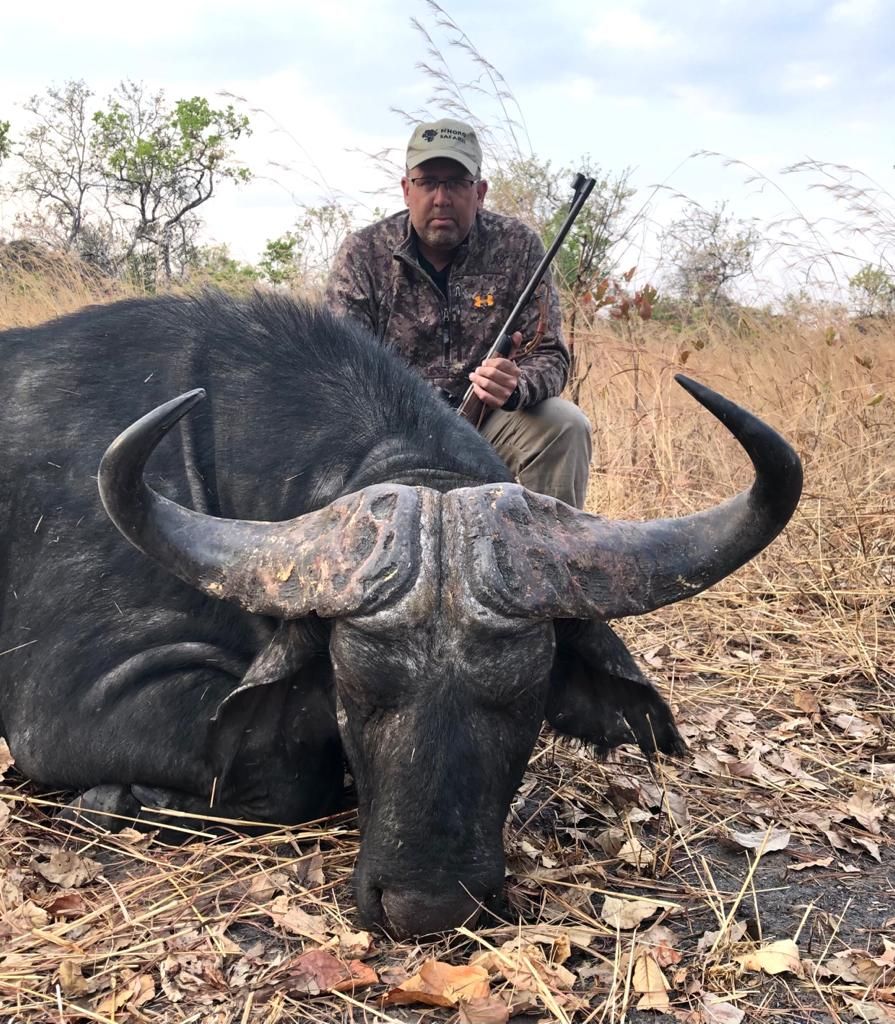
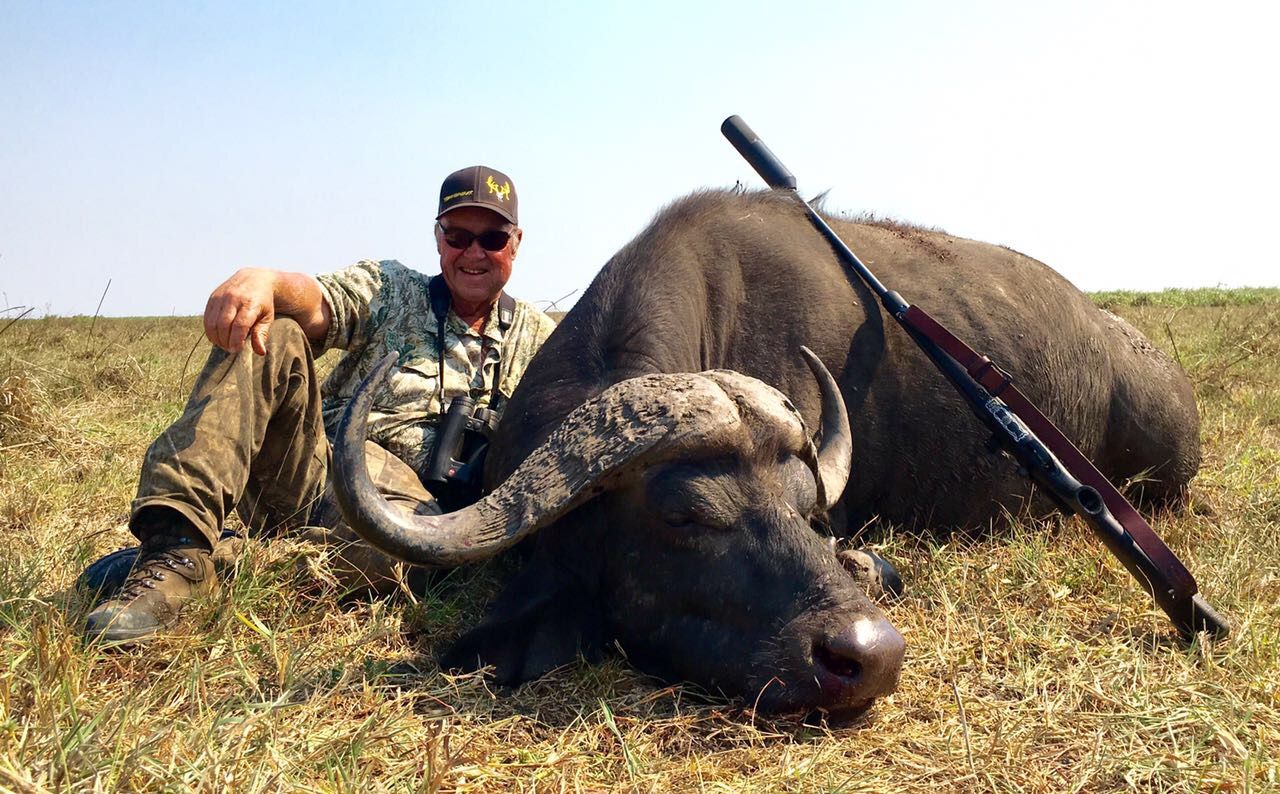
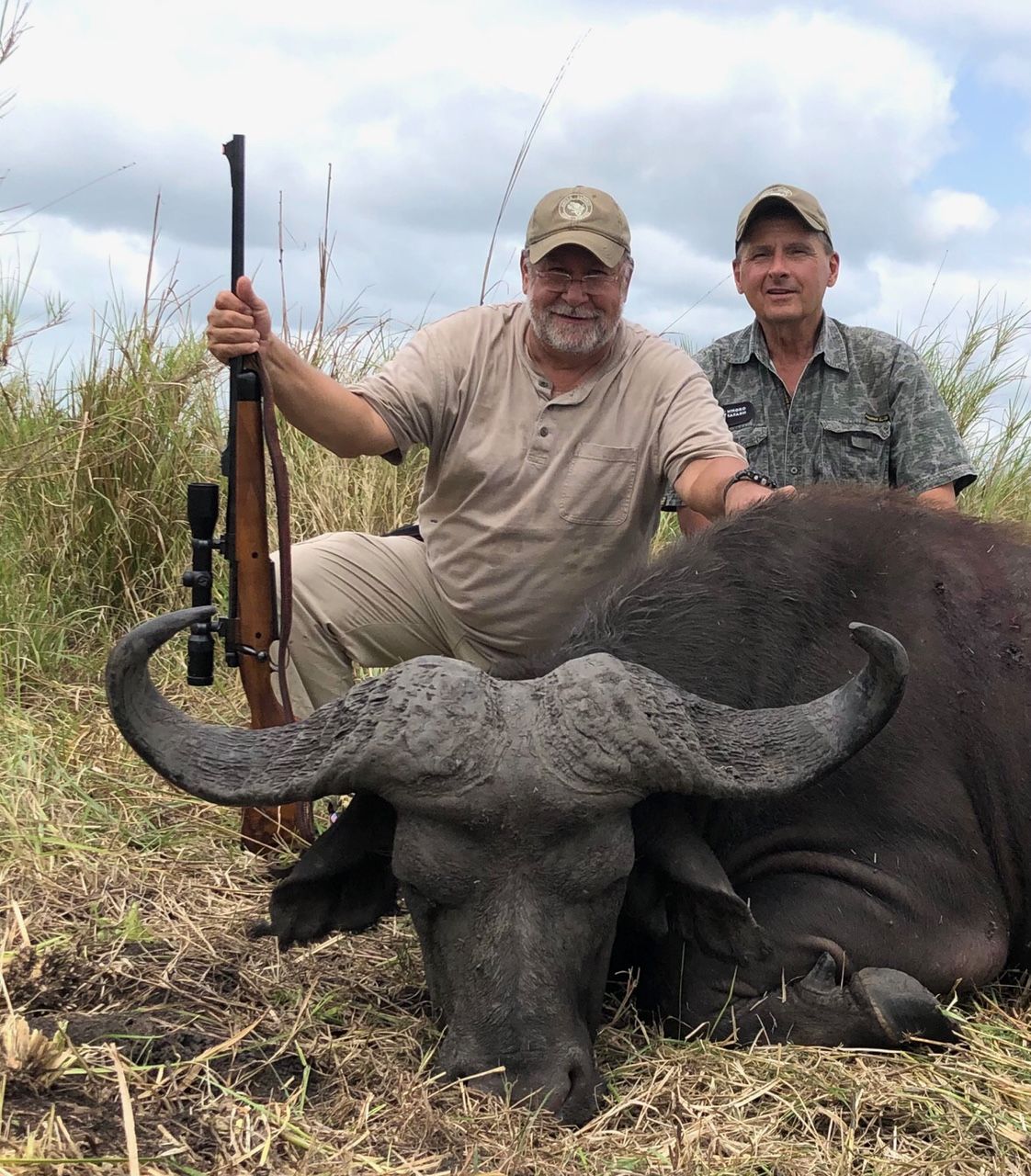
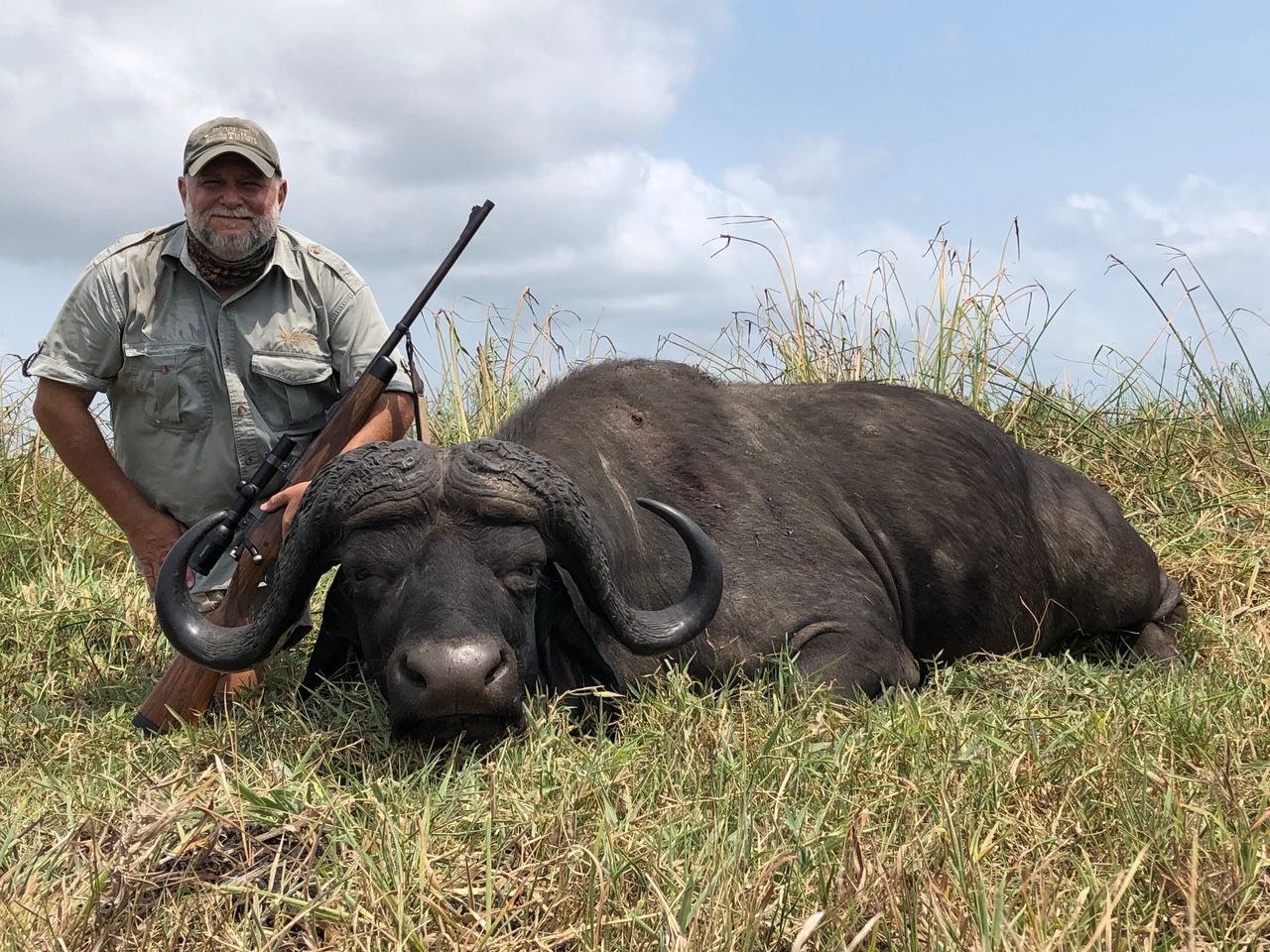
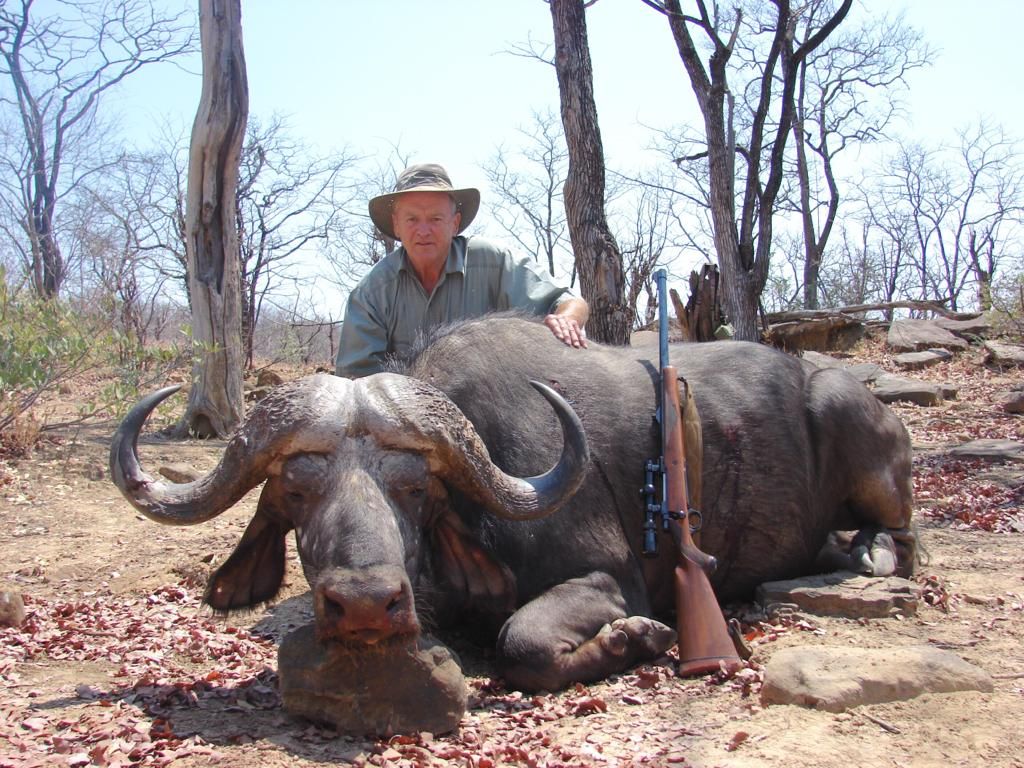
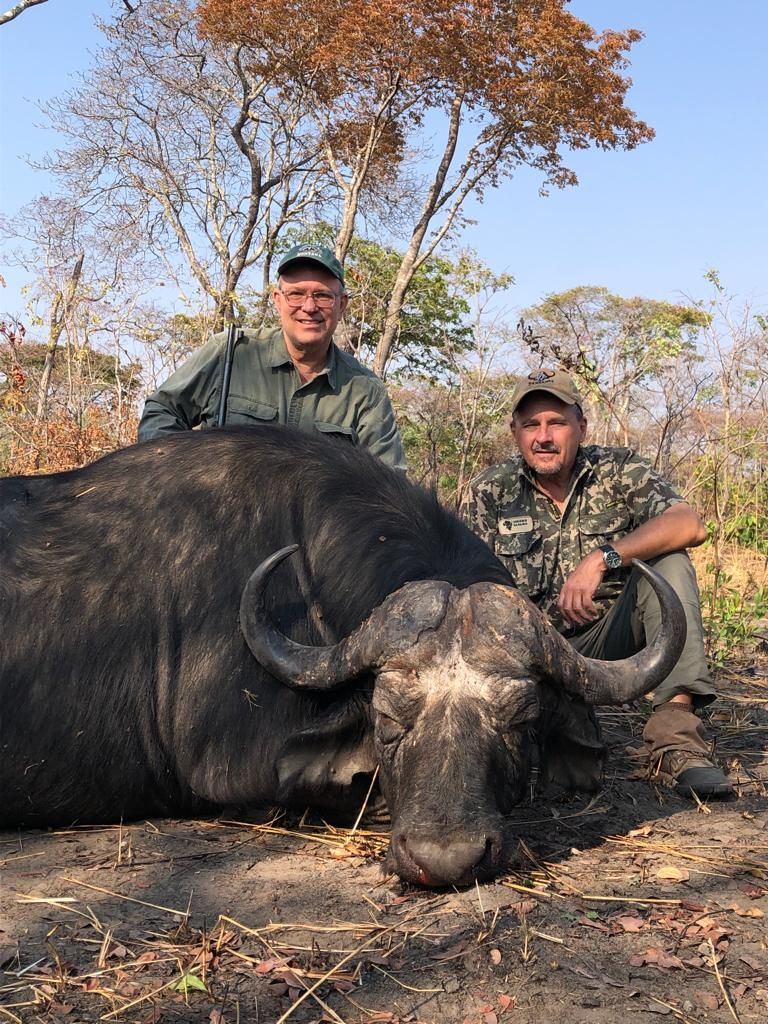
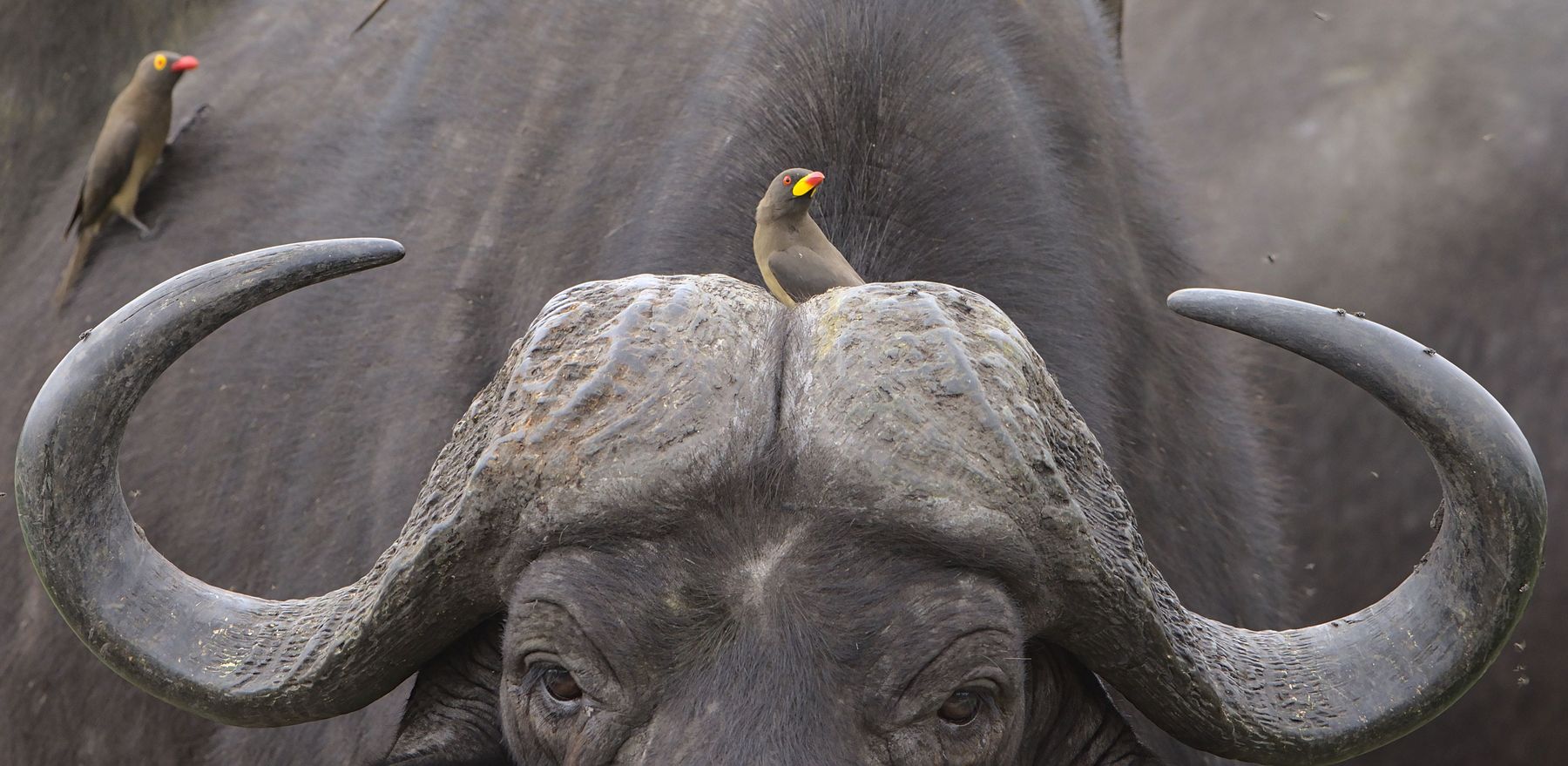
On a young bull the two horn bases are separated by a strip of hair and the horn is still soft. As he ages the bases grow toward each other, harden, and eventually meet in a solid helmet of bone. A fully hard-bossed bull is at least ten years old and past his breeding prime.
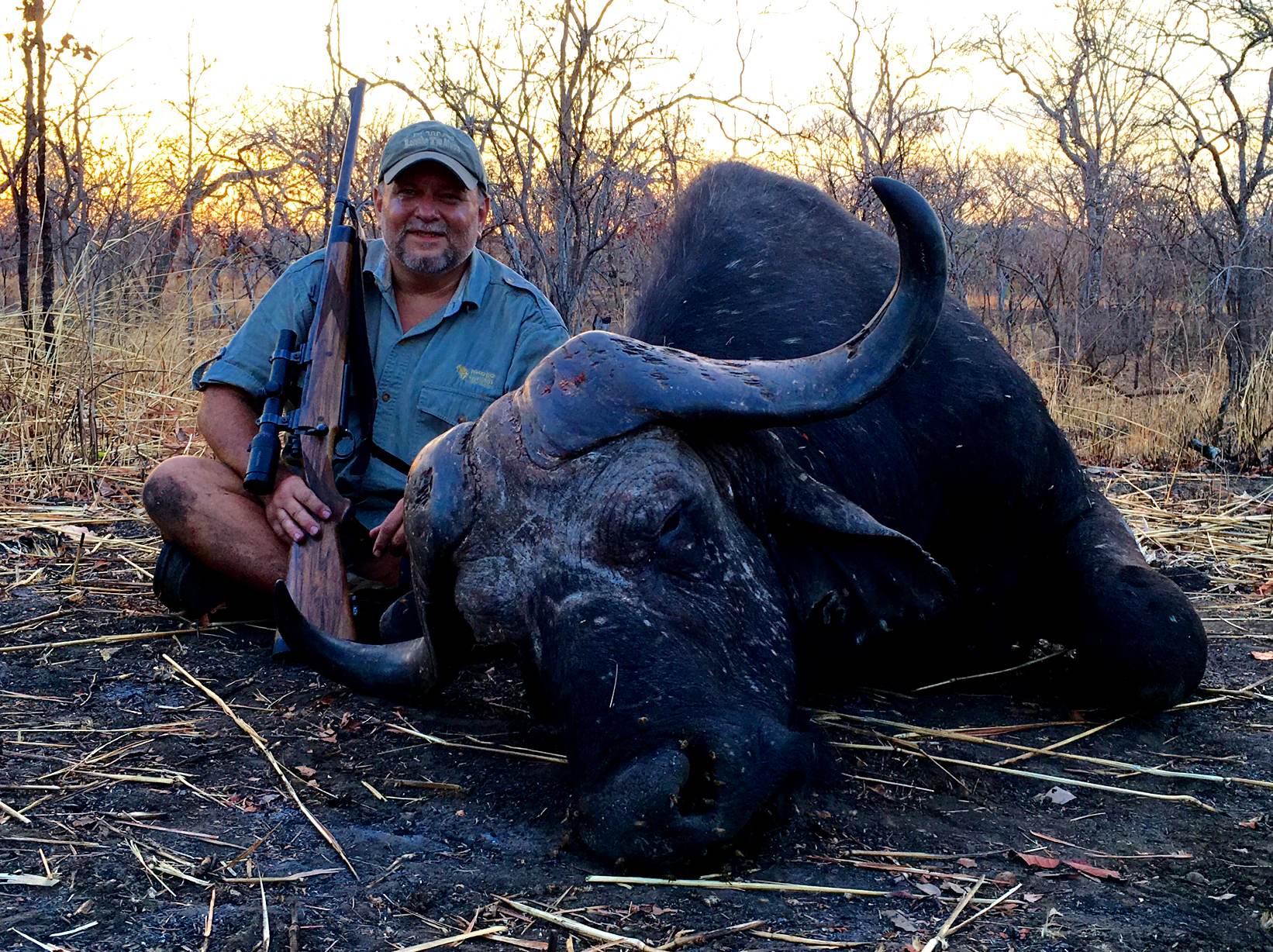
Look for worn, blunted tips rather than sharp points. Look for a heavy, cracked boss with no hair between the bases. Look at his body: an old bull is often scarred, thin over the ribs, and carries a dark crust of dried mud.
A 37-inch hard-bossed old bull is a far better trophy than a 42-inch soft-bossed eight-year-old, and any professional hunter worth his salt will tell you the same.
Rifle and ammunition
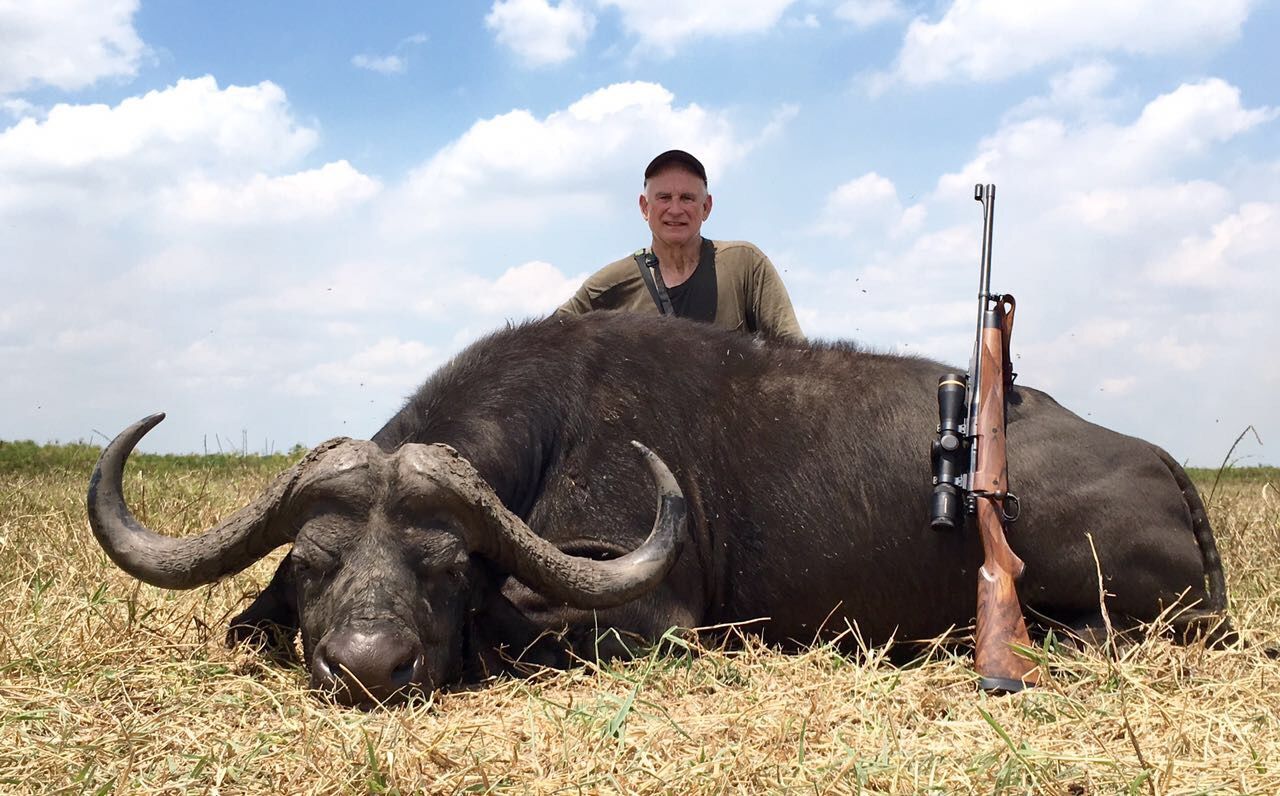
Practically, .375 H&H is the floor and it accounts for a great many buffalo every year. Plenty of our clients bring .416 Rigby, .404 Jeffery or .458 Lott, and the extra weight of bullet is welcome when things go wrong.
Load premium bonded or monolithic softs for the first shot into the shoulder, and carry solids for follow-up. Buffalo are extraordinarily tough and a heart-shot bull can cover eighty metres and still be looking for you at the end of it. Every shot after the first goes in as fast as you can work the rifle.
Practise offhand and off sticks at twenty to sixty metres. That is the range you will shoot at. Bench accuracy at two hundred is irrelevant here.
Bow hunting buffalo
Buffalo can be bow hunted on our South African property, from blinds over water in the dry season or by spot and stalk in the right terrain. It requires a minimum of eighty pounds of draw weight, heavy arrows, and single-bevel cut-on-contact heads. Discuss it with us early, because it changes which concession and which season we recommend.
What the hunt looks like
Buffalo hunting is tracking. You cut a track at first light, judge how old it is by the crispness of the edges and whether dung is still warm, and you follow. Herds move and feed constantly. Dagga boys lie up in shade by mid-morning, which is often when you catch them.
The last hundred metres are done slowly, on the wind, often on your knees. When you finally get a look, you may have four seconds to judge the boss and get on the sticks.
Then comes the part nobody puts on Instagram: the follow-up. Even a well-hit buffalo usually runs. Following a wounded buffalo into thick cover is the most serious thing that happens on a safari, and it is done deliberately, slowly, and by the professional hunter’s rules.