Why Zimbabwe, and nowhere else
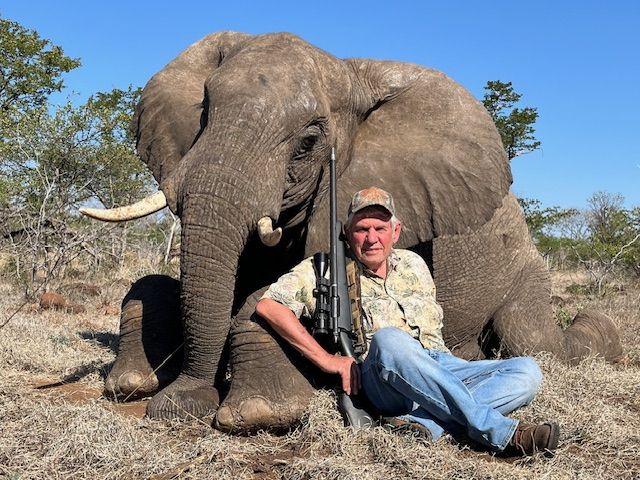
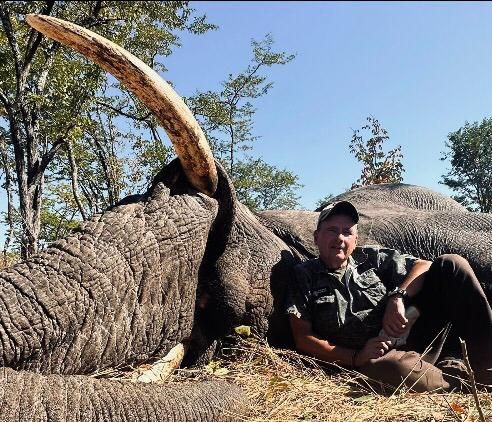
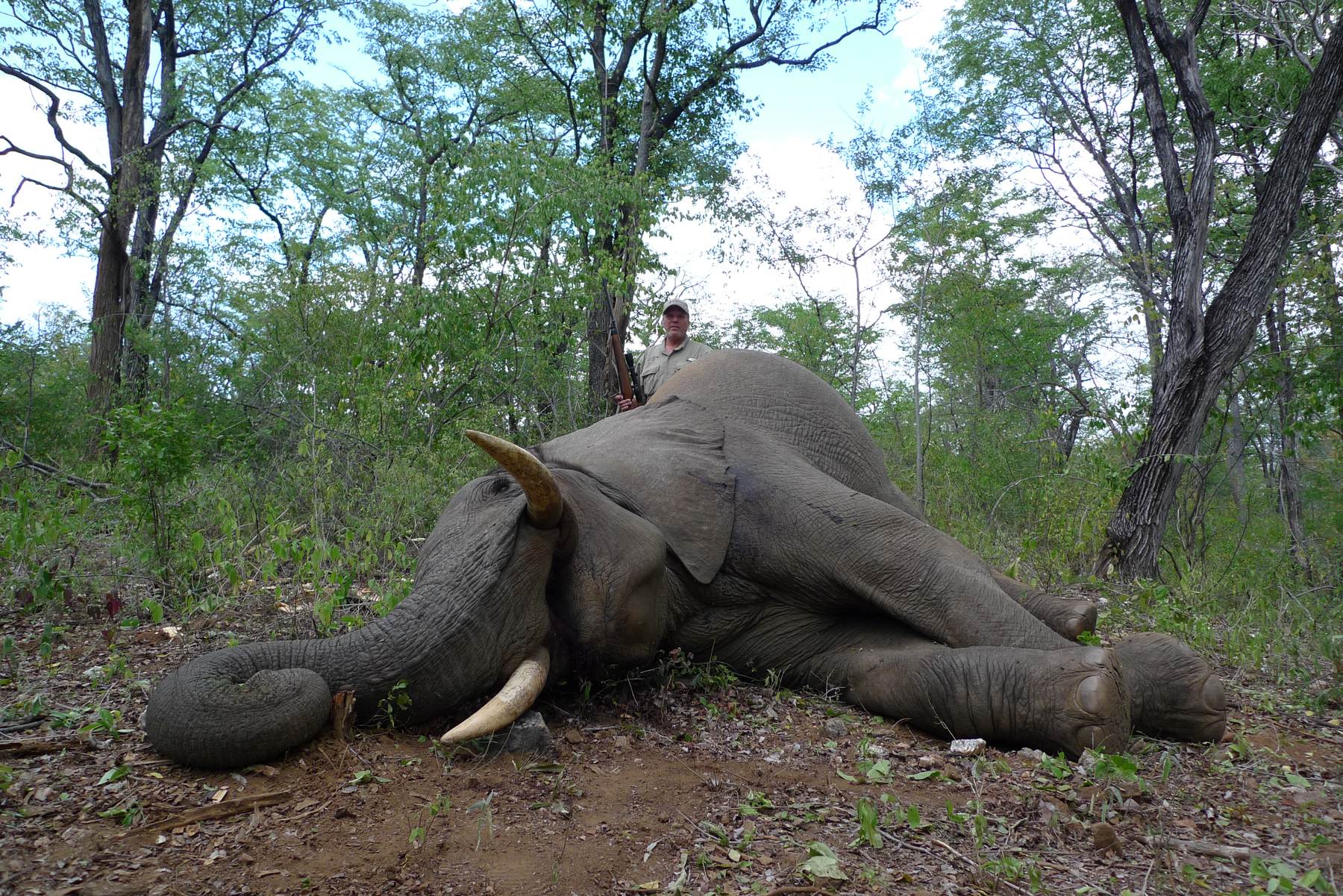
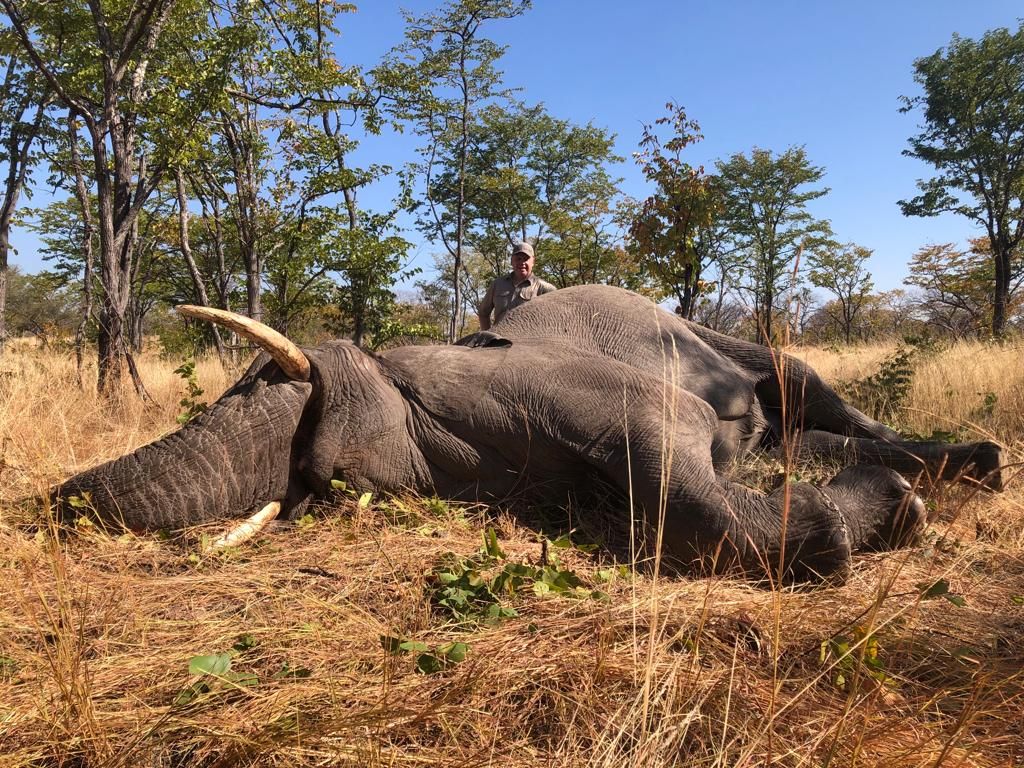
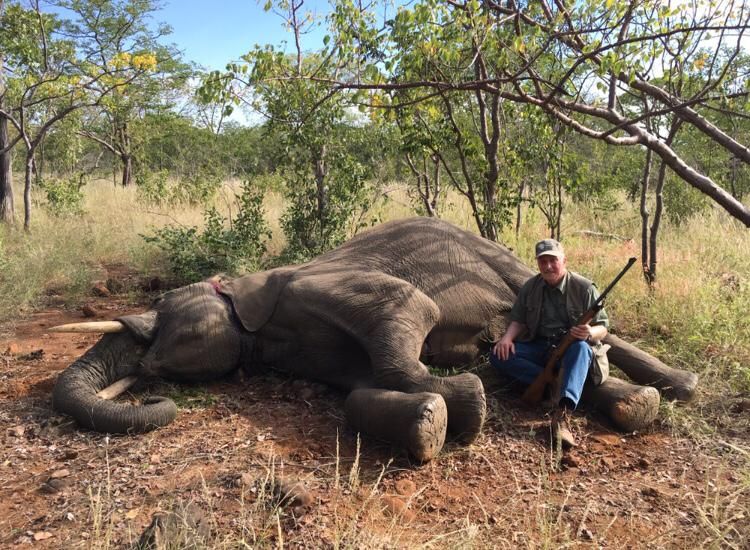
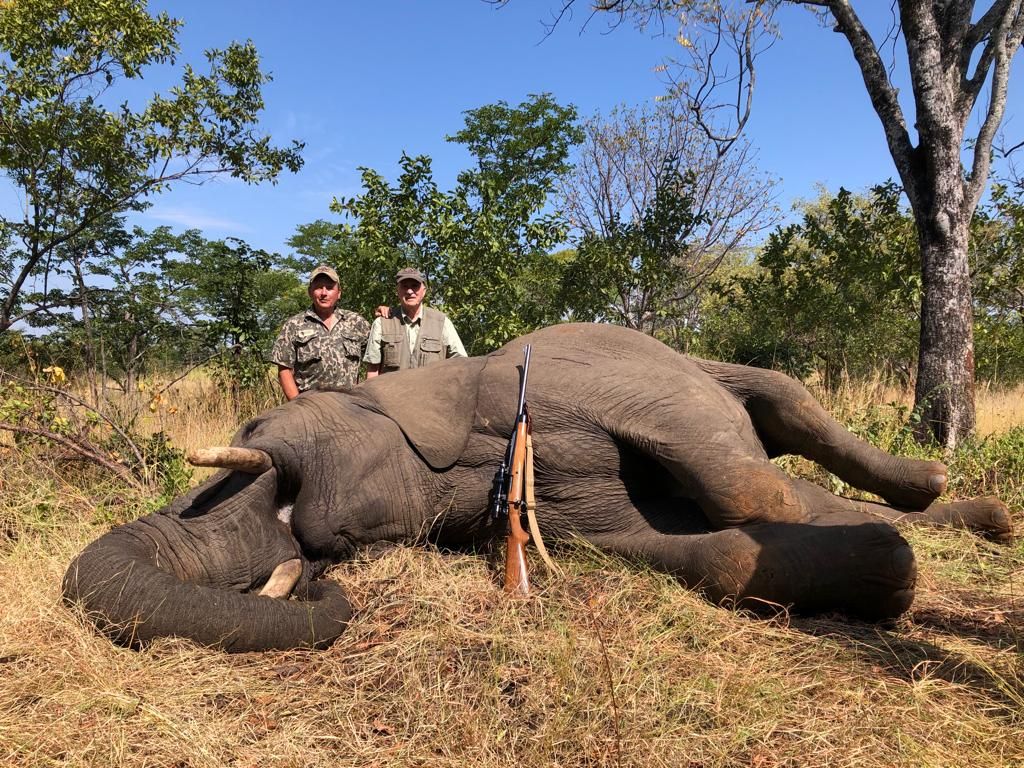
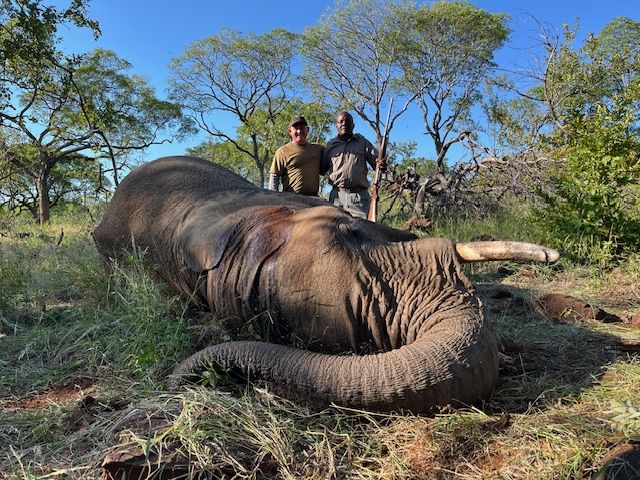
Elephant we hunt in one country only, and that is deliberate. Zimbabwe has the elephant population, the wild ground, and the licensing framework to support genuine free-range bull hunting, and we have spent decades building relationships in the concessions that hold the old bulls.
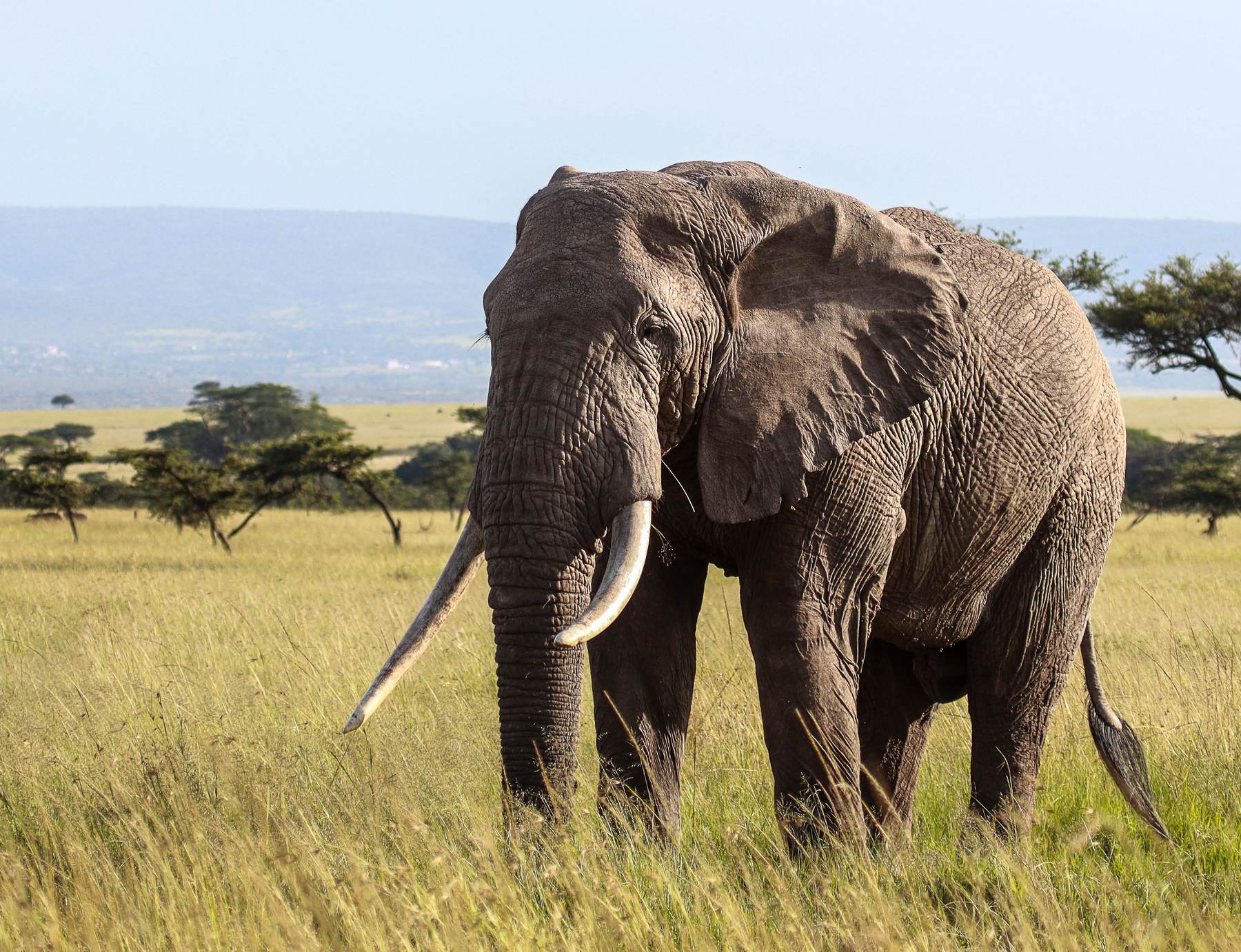
Our elephant hunting is on wild, unfenced valley country. There are no fences, no supplementary feeding, and no guarantee. Elephant move across enormous distances following water and browse, and the bull you find on day eleven may be forty kilometres from where you started on day one.
What the hunt actually looks like
You will walk. That is the honest summary. A typical day starts before first light, driving cutlines and riverbeds looking for fresh sign. When the trackers find a track worth following, the vehicle stops and the walking begins.
Reading an elephant track is a craft. Our trackers judge age and sex from the shape and wear of the sole, the depth of the print, and the length of the stride. A round, heavily worn front print with a long stride belongs to an old bull. A smaller, sharper track in a group belongs to a breeding herd, and you leave it alone.
Then you follow, sometimes for six hours, sometimes for two days, working the wind constantly. Elephant have exceptional hearing and an extraordinary sense of smell but poor eyesight. Everything depends on the wind. When it swirls, and in the valley it swirls, you back out and circle.
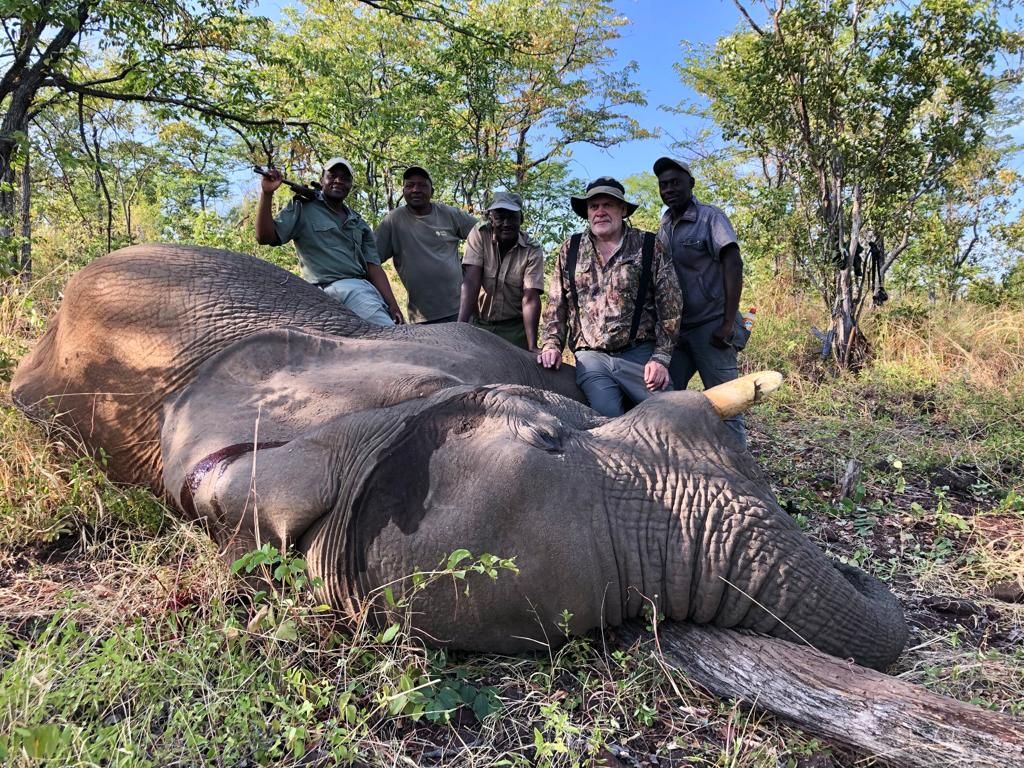
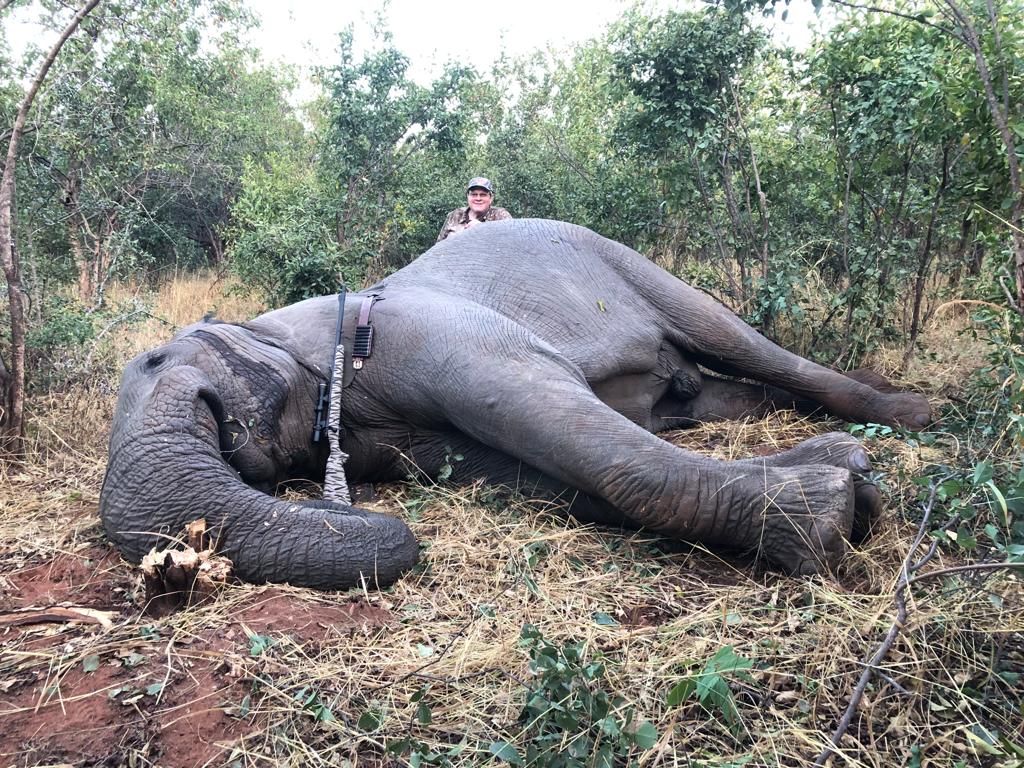
The final approach is usually inside thirty metres, often much closer, in cover thick enough that you see the bull in pieces rather than all at once. This is where experience matters and where your professional hunter earns his licence. You will judge the ivory, decide, and shoot, or you will decide against it and start again tomorrow.
Most of our clients pass on at least one bull. That is a good sign, not a bad one.
Judging a bull
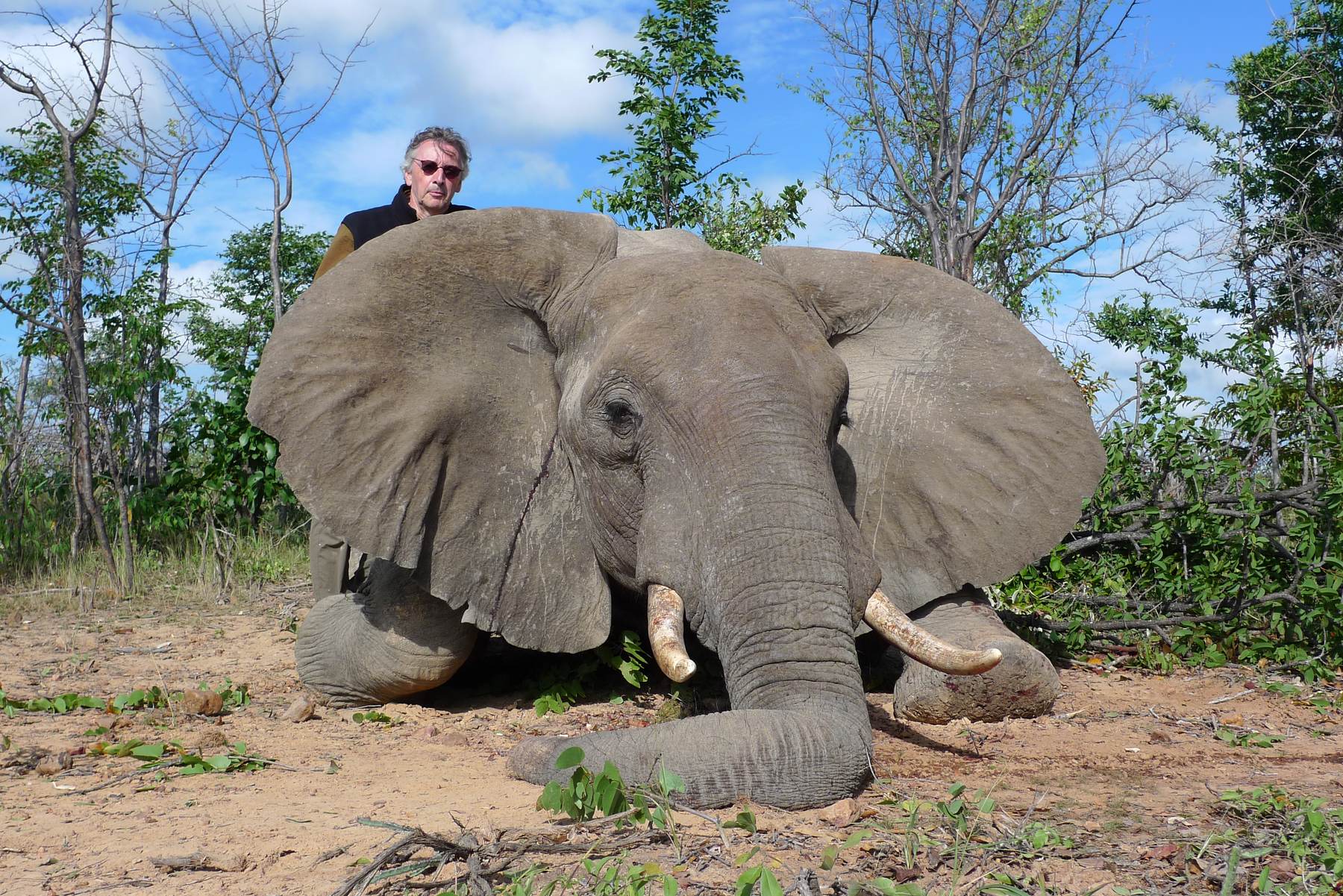
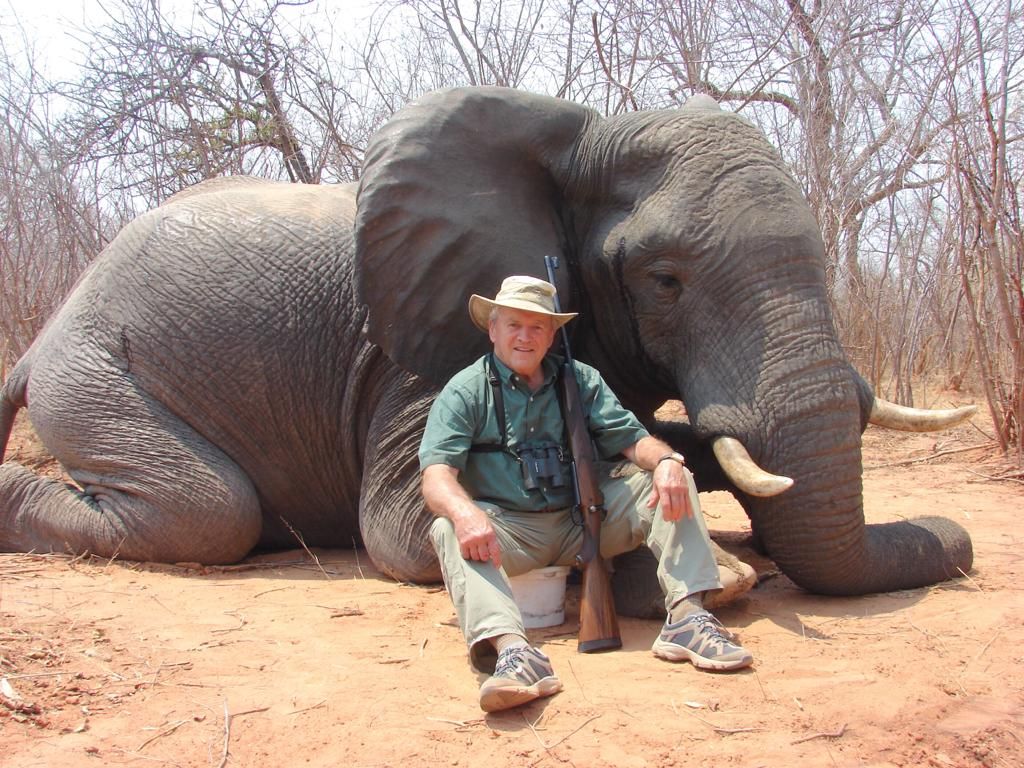
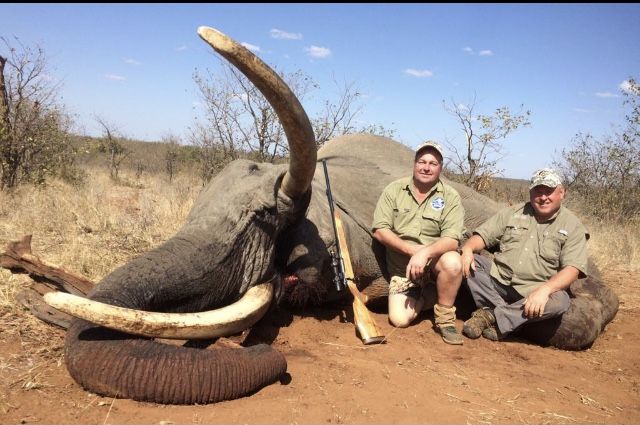
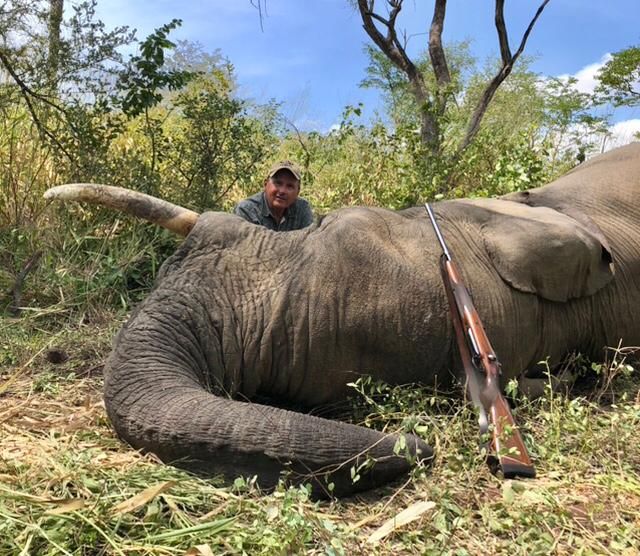
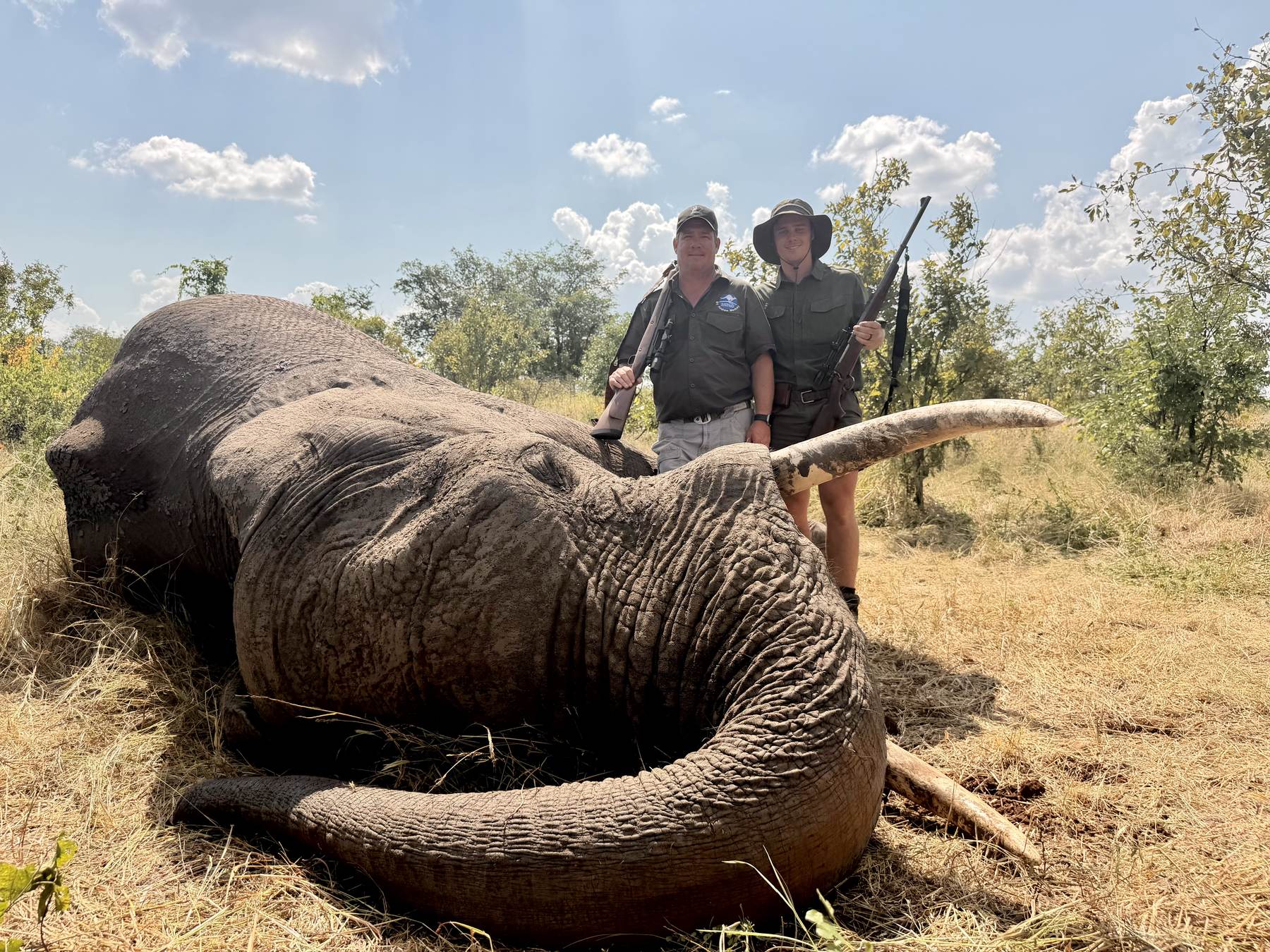
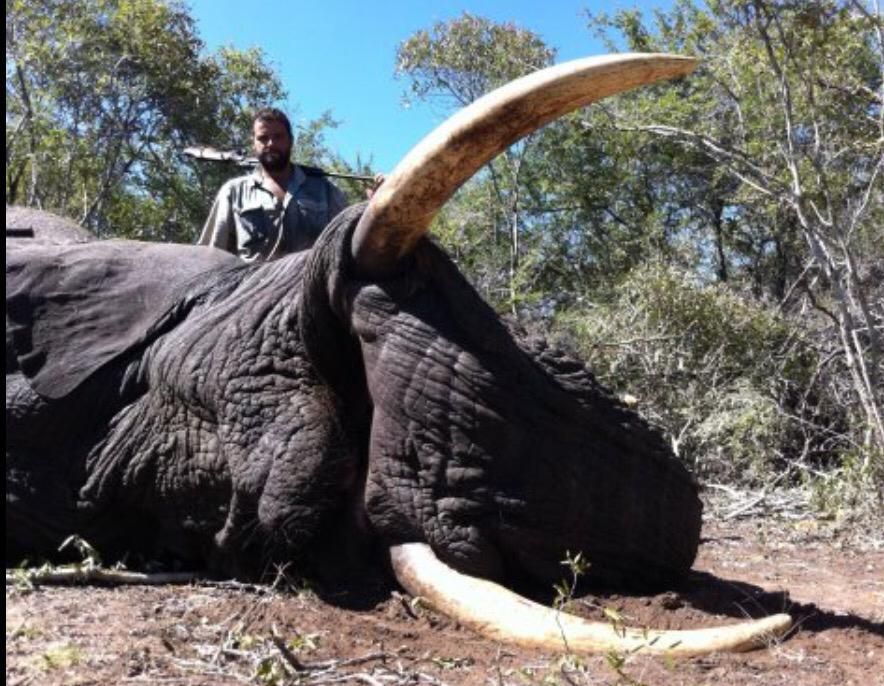
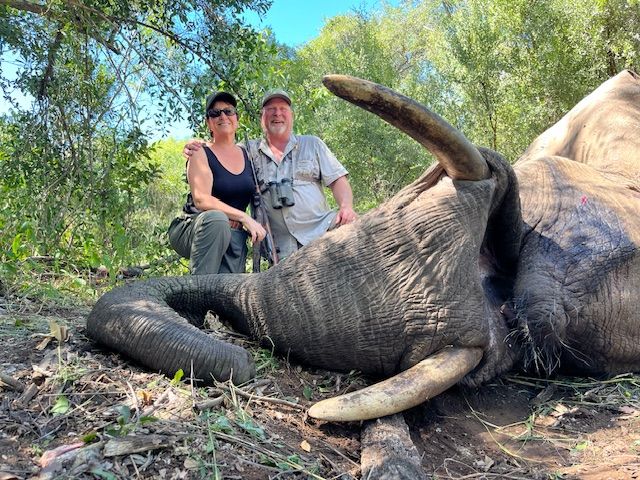
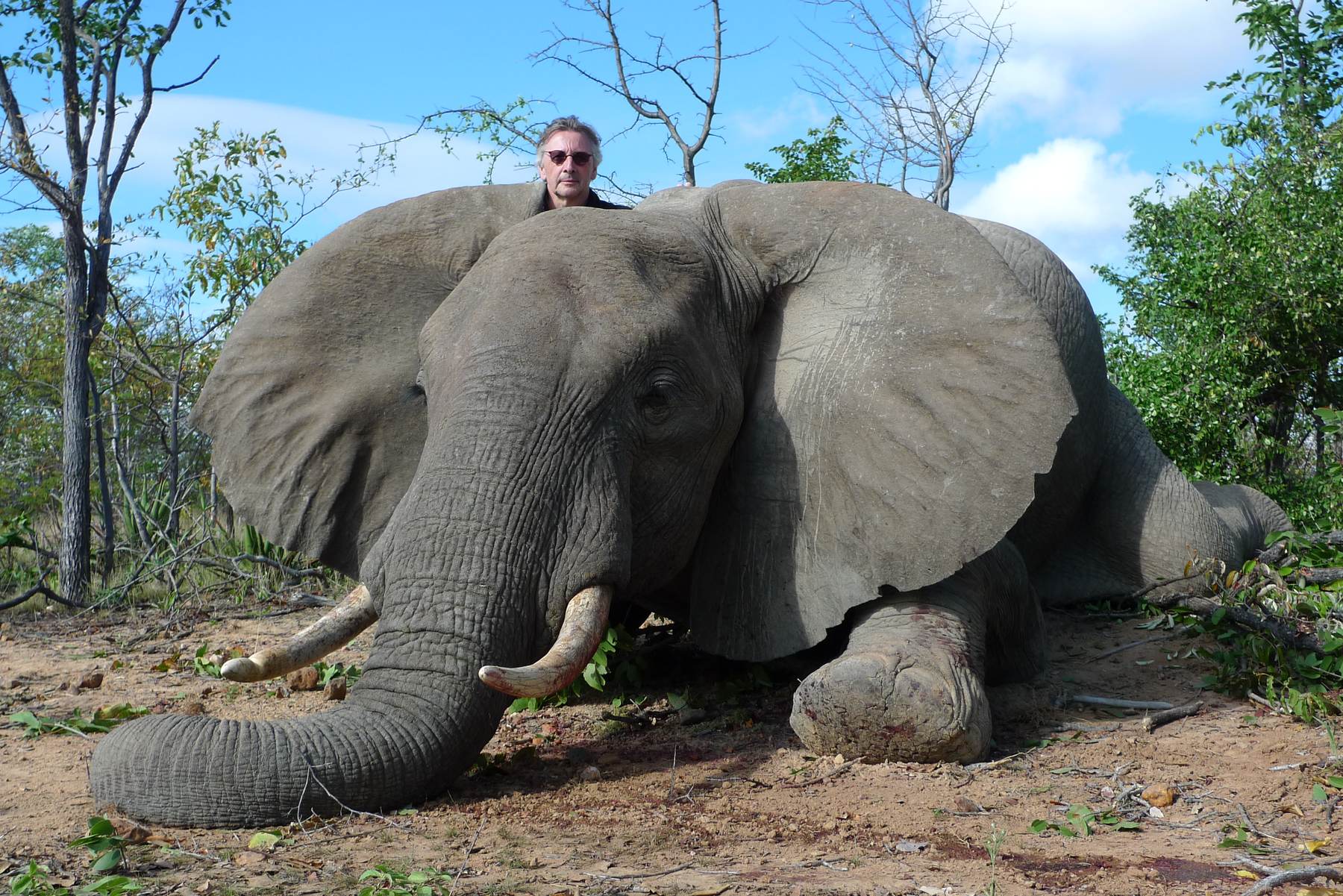
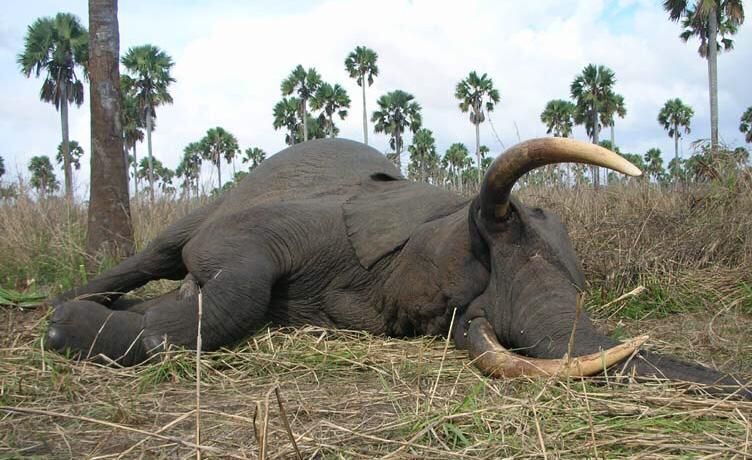
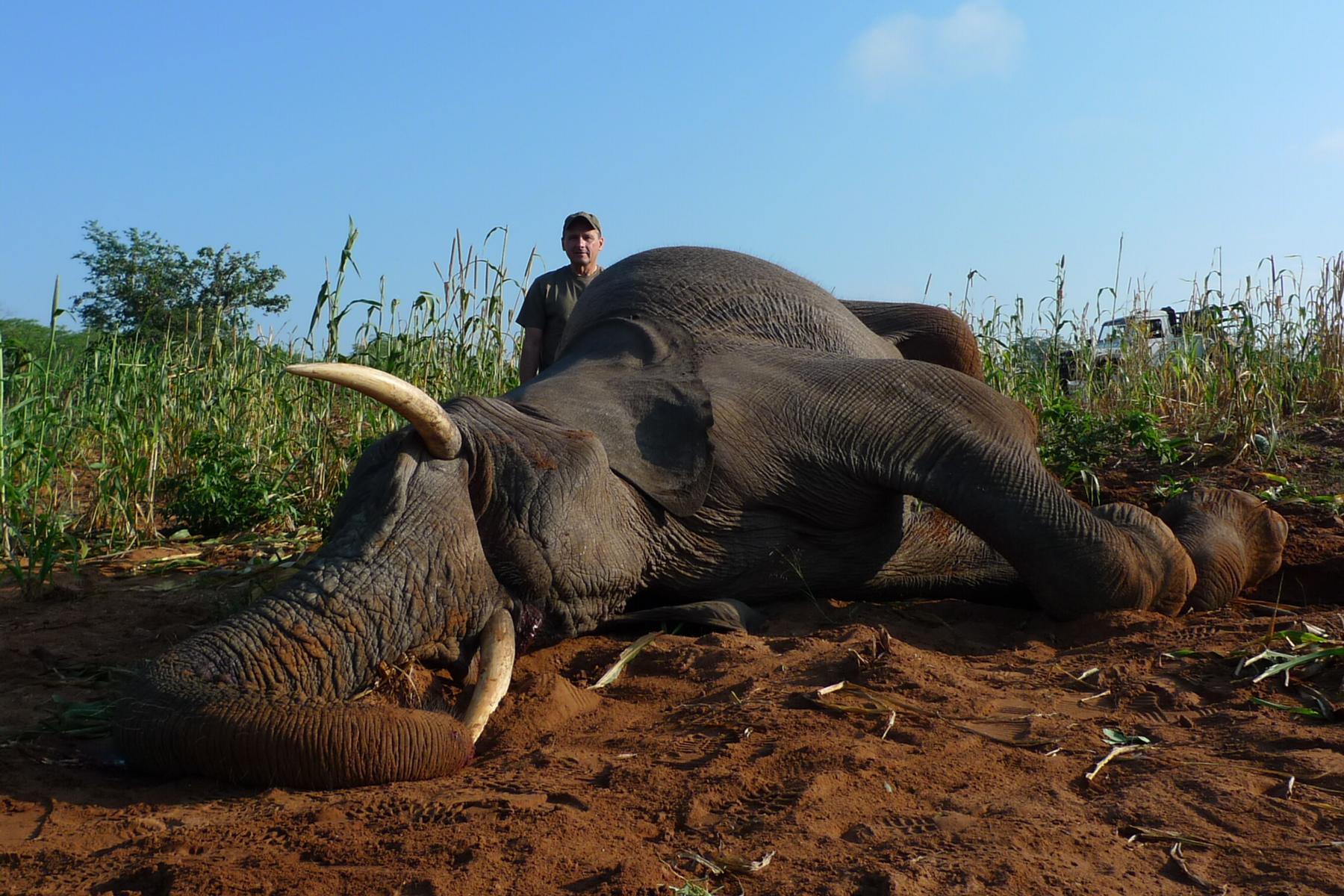
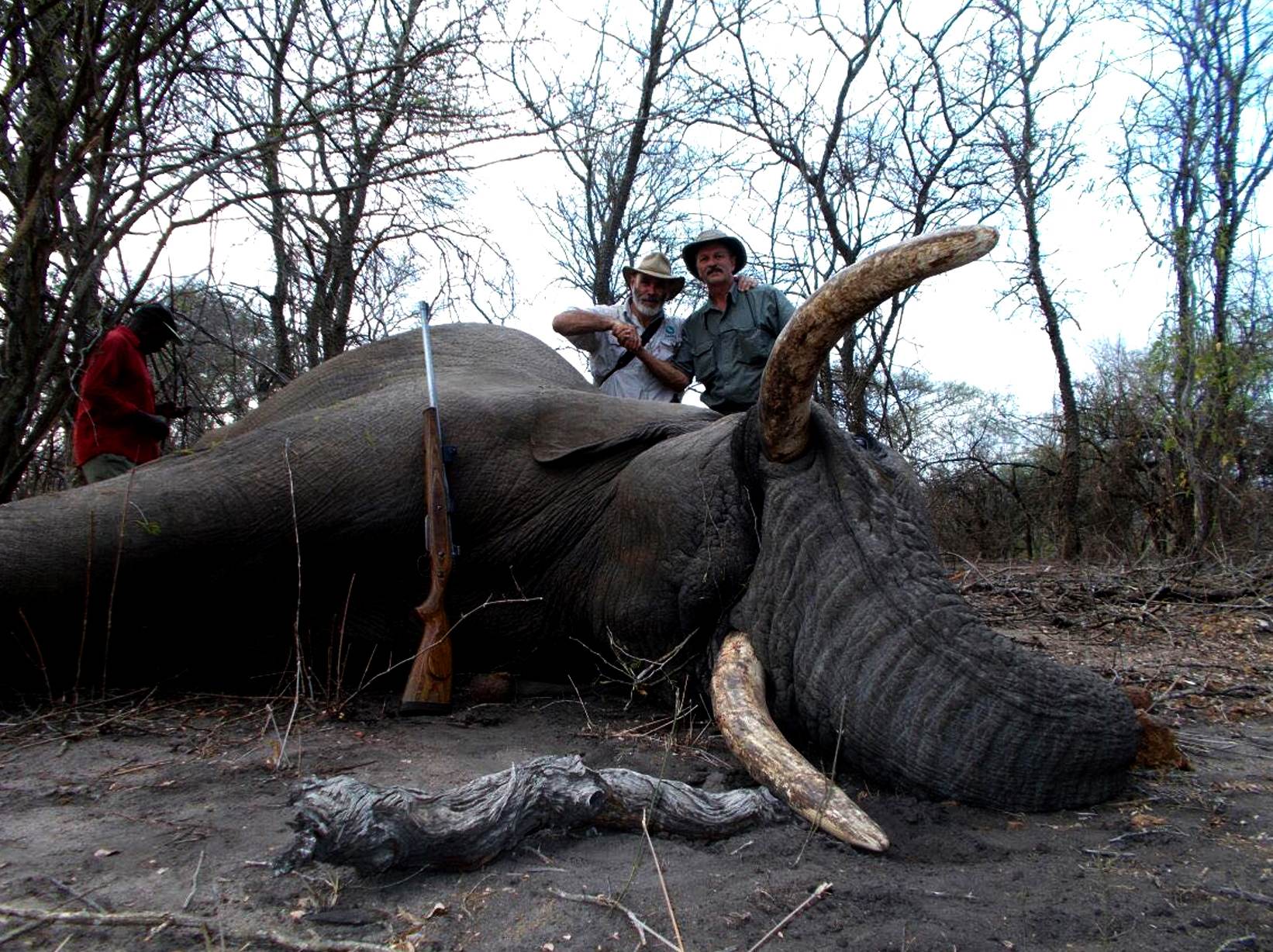
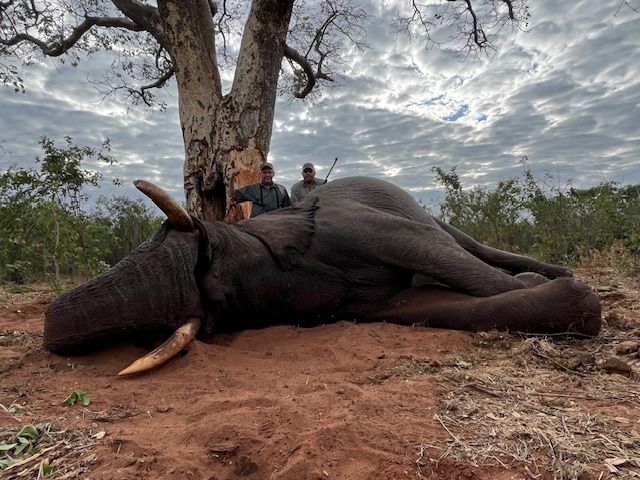
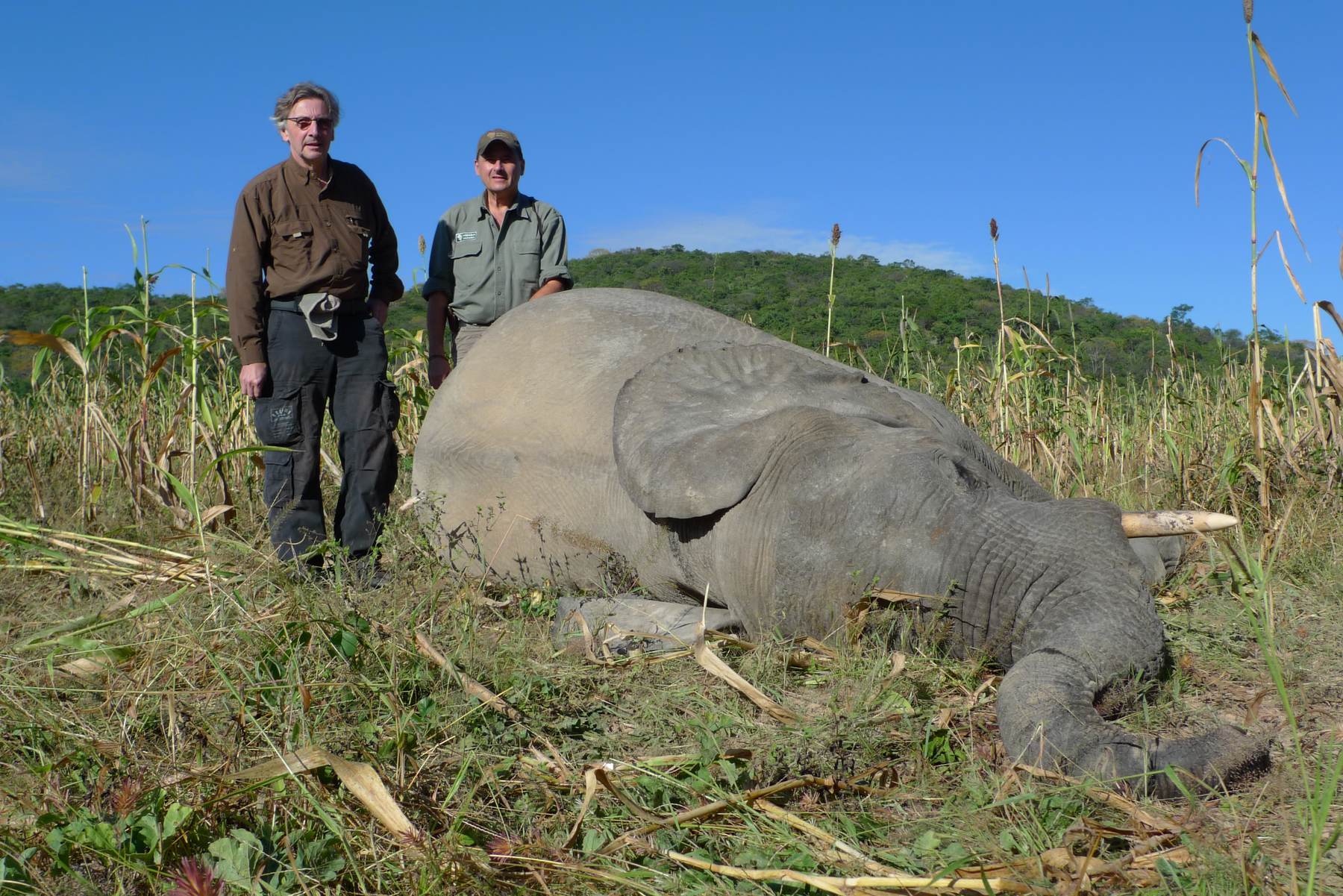
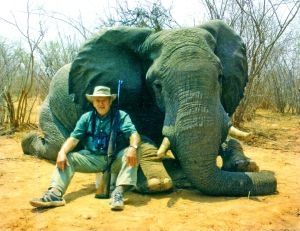
Ivory weight is the number everyone asks about, and it is the wrong first question. We look for age. An old bull past breeding age, thin over the shoulders and hips, with worn and often broken ivory, is the right animal both ethically and legally. He has bred, he has passed on his genetics, and taking him has no impact on the population.
Weight follows age imperfectly. A genuinely old bull might carry 40 pounds a side because he broke a tusk twenty years ago. He is still the right animal. That said, a representative Zimbabwe bull in our areas will run 45 to 55 pounds a side, and we have taken bulls above 70.
Rifle and shot placement
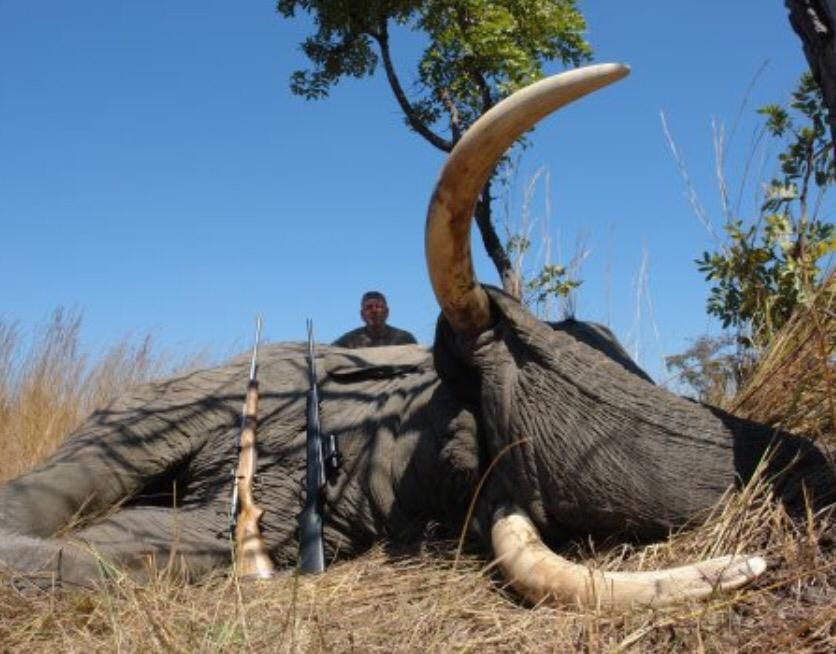
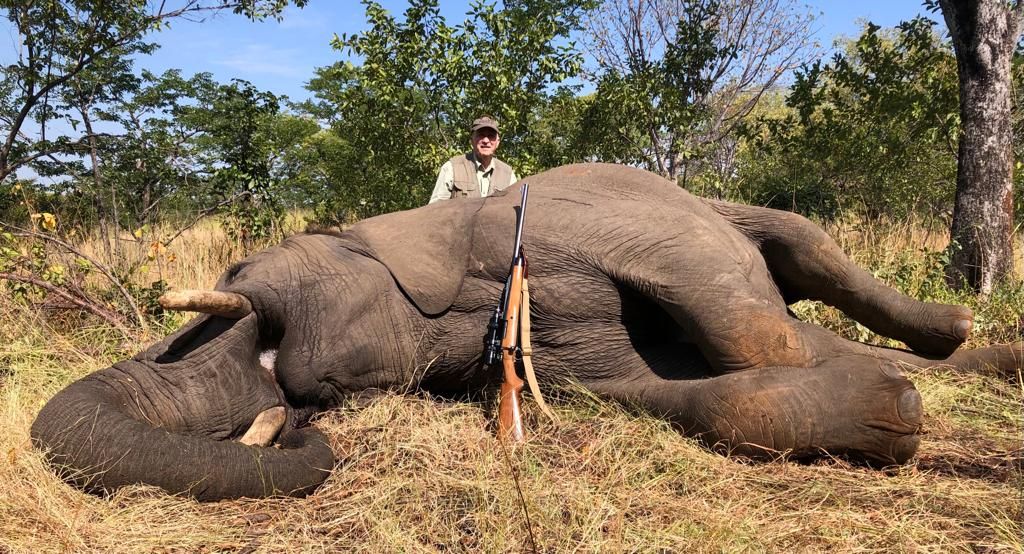
Zimbabwe law sets .375 H&H as the legal minimum for elephant. It works, but most experienced clients bring more. The .416 Rigby and .458 Lott are the two most common rifles in our camps and both are excellent choices.
Bring solids. Monolithic or steel-jacketed solids that will drive through bone in a straight line. Softs have no place in elephant hunting.
We will spend time on the shooting sticks and on a life-sized elephant skull diagram before you walk into the bush. Brain shots and heart-lung shots both have their place, and the decision is made in the moment based on the angle you are given. Practise offhand at fifteen metres, not benched at a hundred.
Fitness, and being honest with yourself
This is the most physically demanding hunt we run. At its hardest it is fifteen to twenty kilometres a day, in heat, over broken ground, repeatedly. But that is the hardest version of it, not the only one — we match the ground to the hunter, and there is easier country where the tracking is shorter and the walking kinder. We would rather know your limits before you book than find them on day three, so tell us honestly what you can do and we will build the hunt around it.
Two ways to hunt an elephant
We offer the elephant hunt two ways, and the difference is worth understanding before you enquire.
The trophy hunt places no restriction on ivory. You hunt for the best bull the area holds, you pass on animals that are not right, and you accept that fourteen days may end without one. This is the option if the ivory matters to you, and it is priced accordingly.
The non-trophy hunt is considerably cheaper and permits an old bull of around 30lb a side. Everything else about it is identical — the same ground, the same trackers, the same kilometres a day, the same thirty-metre approach through jesse. What changes is which bull you may take at the end of it.
We are not embarrassed about the non-trophy option and you should not be either. For a great many hunters it is the difference between hunting a free-range elephant on foot in wild country and never doing it at all. The experience is the same. Only the tusks are smaller.
Quota and booking
Zimbabwe issues elephant on a strict annual quota allocated by the wildlife authority. The number of bulls available on our concessions in any year is small, and dates go early. We recommend booking twelve to eighteen months ahead. Six months is sometimes possible if quota is still open, so it is always worth asking.
Export of elephant trophies is governed by CITES and by the import rules of your own country, which change from time to time. We will walk you through exactly where things stand for your passport before you commit to anything.