The fish
Hydrocynus vittatus, and the Latin is about right — it means water dog.
A tiger fish is built around its mouth. Fourteen interlocking teeth per jaw, replaced throughout its life, set in a bone-hard skull with almost nowhere soft for a hook to hold. That is the whole problem and the whole appeal: tiger fish throw hooks at a rate that would make you give up on any other species. Anglers talk about landing one in four or one in five hooked. Good anglers.
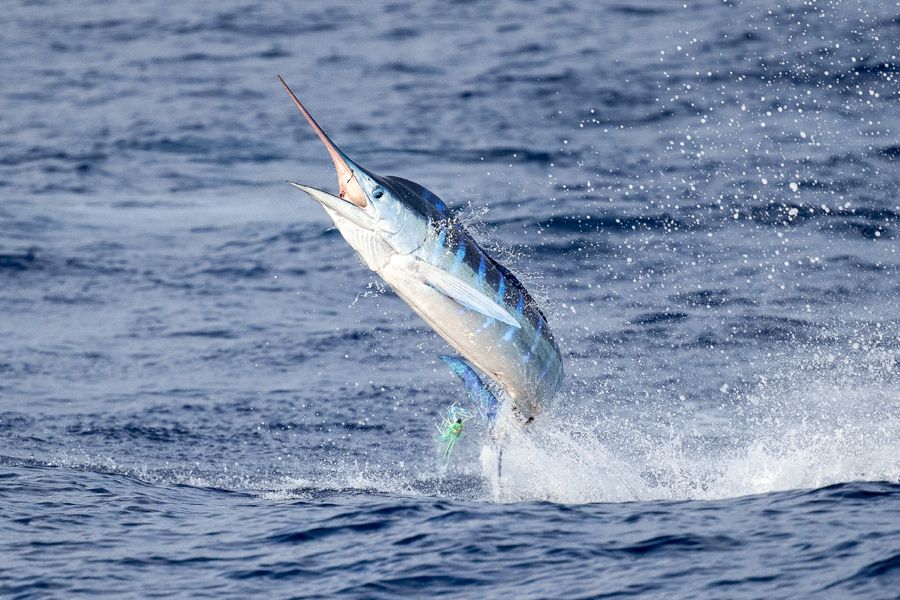
They hit hard enough that the rod is loaded before your hand closes, they go airborne immediately, and they shake their heads in the air specifically to dislodge the hook. A five-kilogram fish on the Zambezi will do things a twenty-kilogram fish elsewhere will not.
Fish of five to seven kilos are a very good day on this stretch. Larger ones exist, mostly downstream in Cahora Bassa and Kariba.
Why it fits a hunting trip
Because it is on the same river you are already beside, it takes a single day, and it asks nothing of your legs.
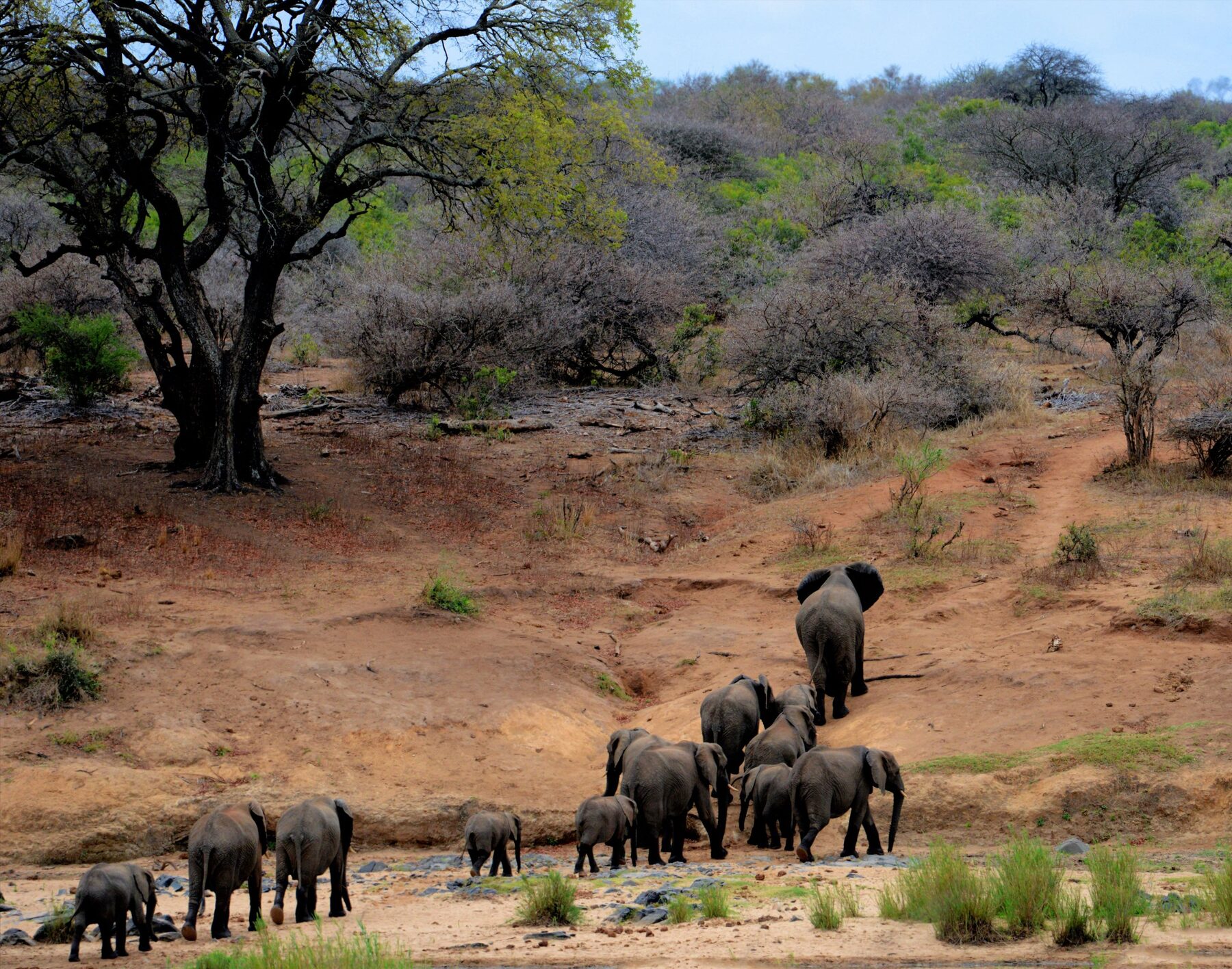
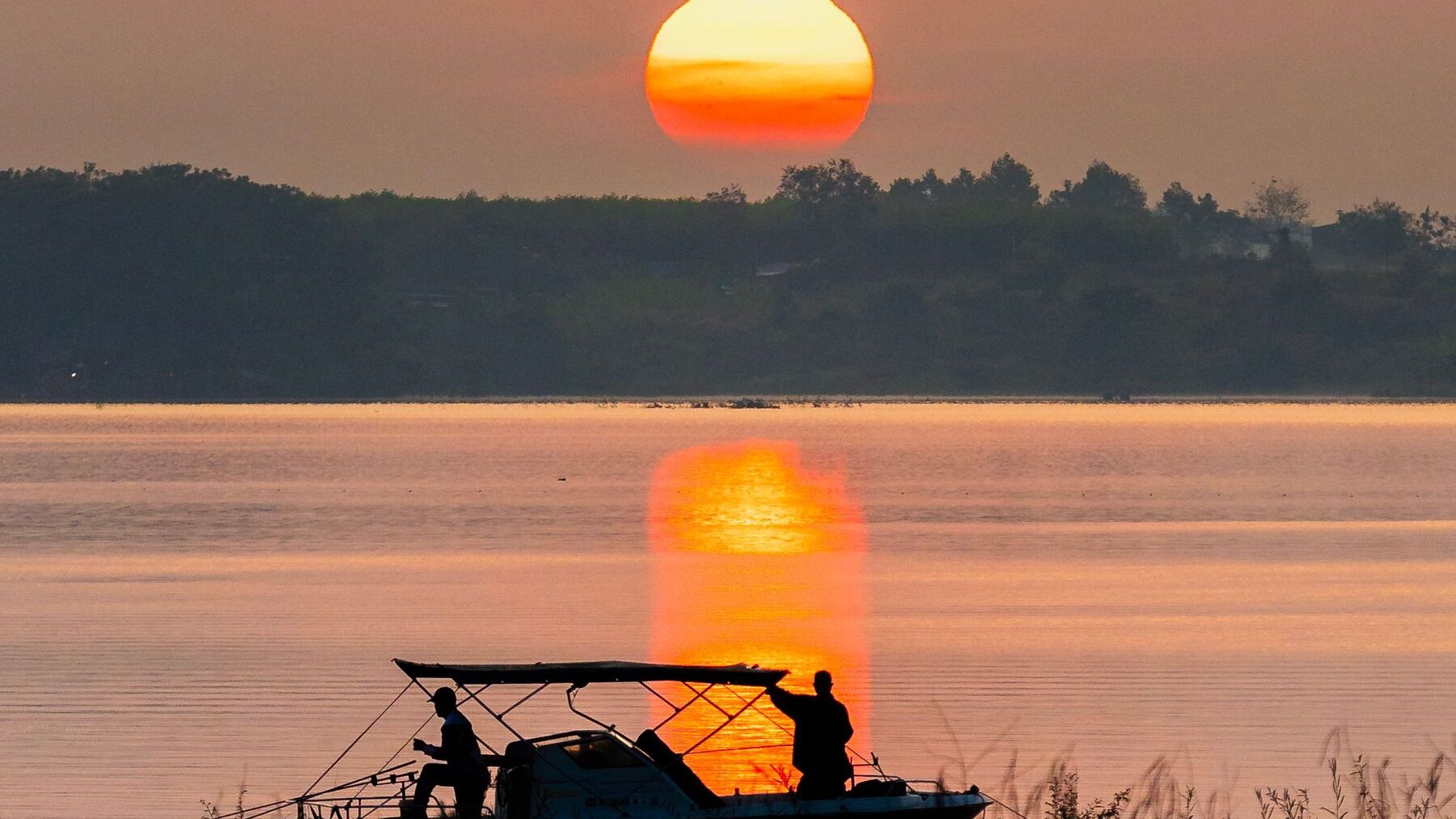
A great many of our elephant clients are walking fifteen to twenty kilometres a day in heat. A day in a boat on flat water, out of the sun under a bimini, with a cooler box and somebody else running the motor, is a genuinely good use of a rest day in the middle of a fourteen-day hunt.
It is also one of the few add-ons that a hunting partner and a non-hunting partner both actively want to do.
How it is fished
Mostly from a boat, drifting or anchored off the drop-offs, channels and rocky structure where tiger hold.
Bait — usually fresh kapenta or a strip of fish — fished on a wire trace, because monofilament lasts about one second. This is the productive method and the one you will mostly do.
Spinning with large spoons and plugs works well in low clear water and is more fun.
Fly is a serious proposition on the Zambezi for anyone who wants it. Eight to ten weight, wire bite tippet, big flashy streamers, and a strip strike hard enough to feel unreasonable. Tell us in advance if that is your intention so the right guide is on the boat.
Tackle is provided. Bring your own if you care about it.
Season matters more than on anything else here
August to November is the window. The water is low, clear and warm, the fish are concentrated, and the fishing is at its best in October.
February to May is the flood and the fishing is poor — the river is high, brown and spread out across country, and the fish are scattered through it.
Our Zimbabwe hunting season overlaps the good months, so for most clients this works out. If you are hunting early in the season, ask us honestly how the river is before you commit a day to it.
How we handle it
Arranged through guides who fish that water every week, not by us. We book it, we get you there and back, and we tell you in advance if the conditions do not justify the day.
Catch and release is standard and we will not pretend otherwise — tiger fish are poor eating, full of bones, and worth far more swimming.
Practical notes
Crocodile and hippo. This is a working African river, not a lake. Stay in the boat, listen to the guide, and do not trail your hand in the water. Nobody who follows the first rule has a problem.
Sun. Flat water, no shade off the bimini, and a full day. Long sleeves, a hat and real sunscreen.
Malaria. Same as the hunting camp. Do not relax about it because you are on holiday.