The animal
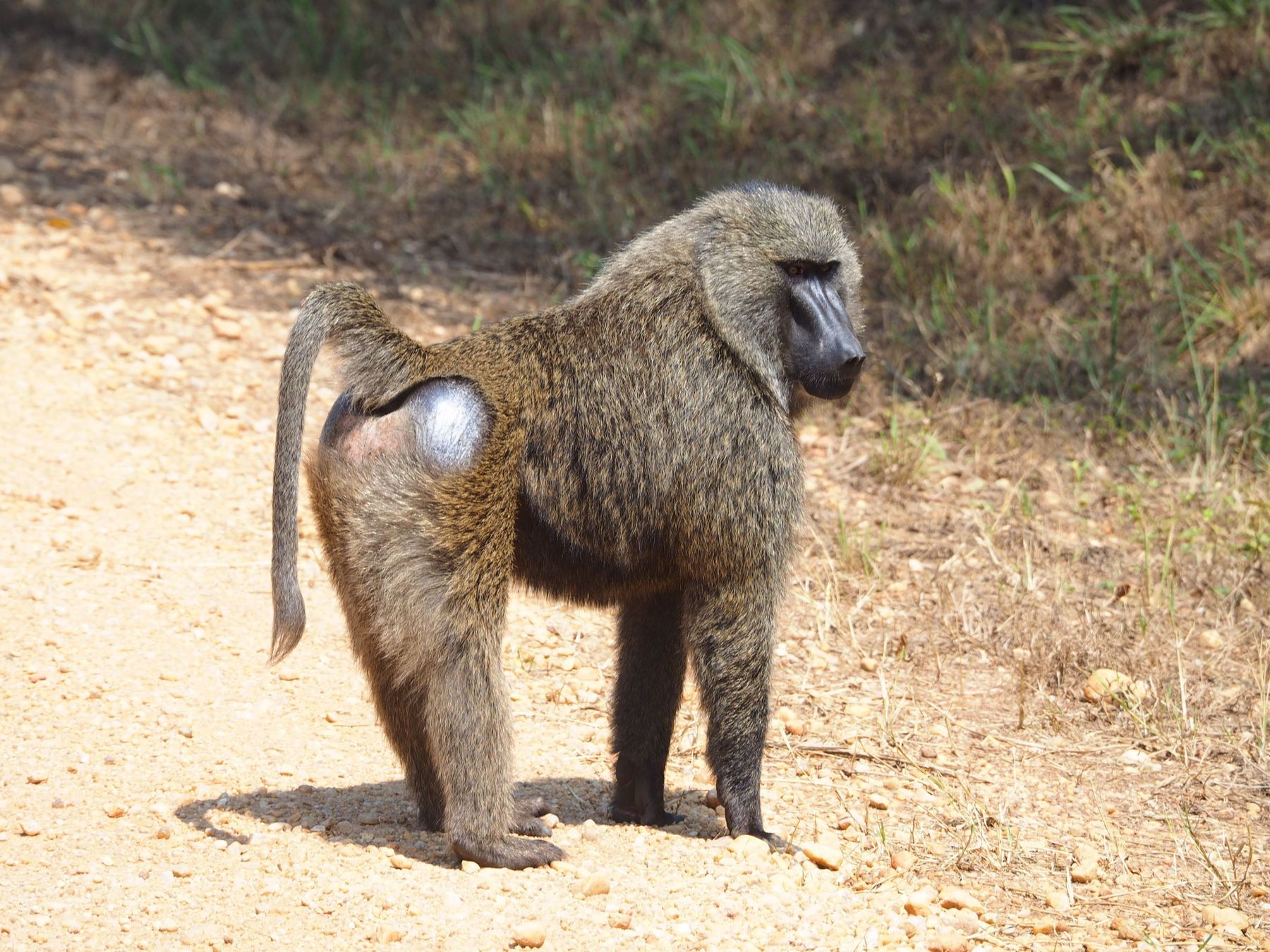
Smaller, quicker and more numerous than baboon, and in their own way just as difficult.
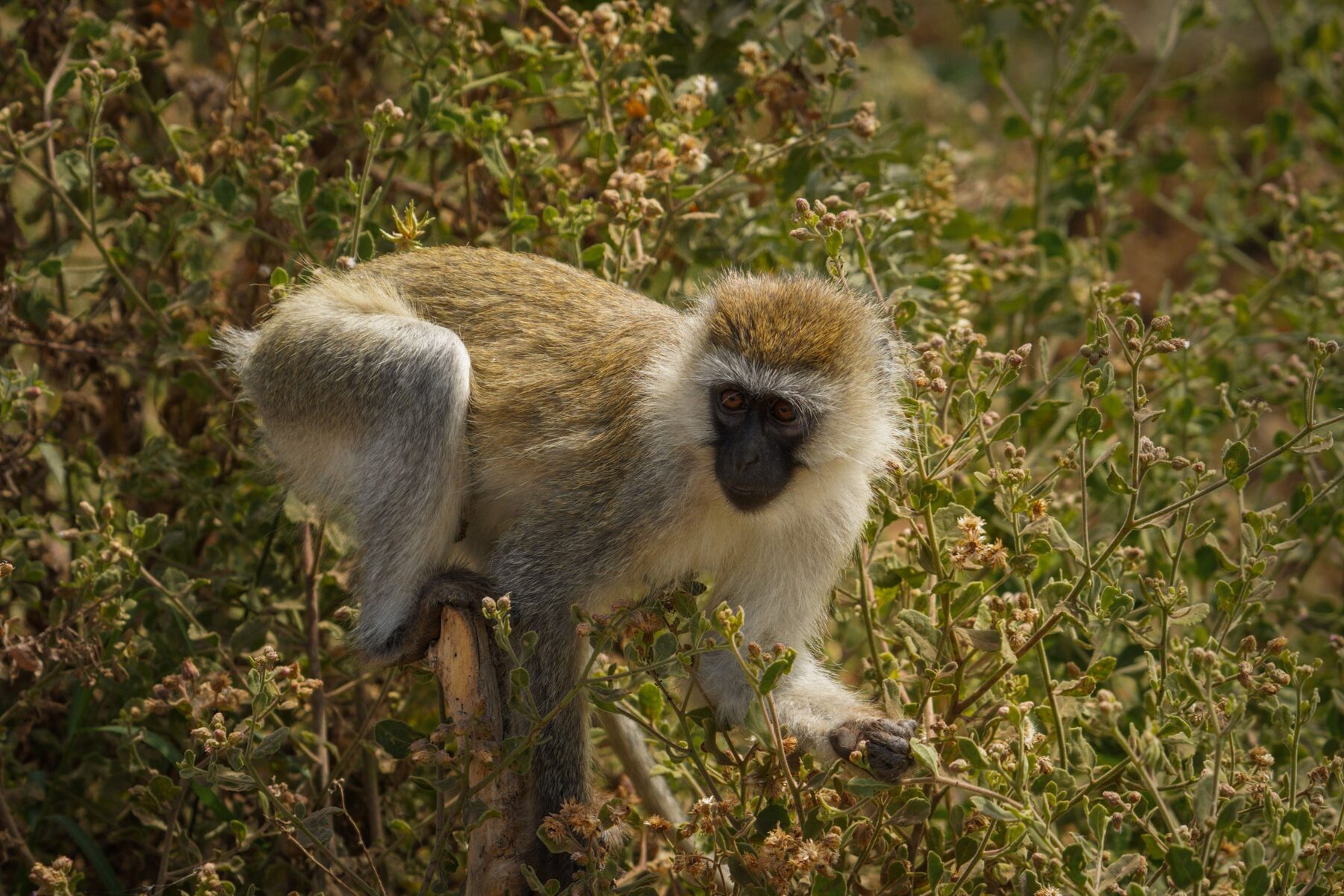
Vervet live in troops of ten to fifty along riverine bush and drainage lines, never far from water and never far from a tree. They are entirely diurnal, which sounds like it should make them easy, and does not. A troop posts sentinels, and the alarm system is famously specific: vervet have different calls for leopard, for eagle and for snake, and the rest of the troop responds differently to each — up a tree for a leopard, down out of the canopy for an eagle, standing up to look at the ground for a snake.
They are destructive around settlements and crops, they raid camps, and they will take eggs, nestlings and the occasional small lizard alongside a mostly vegetarian diet. On farmland they are hunted year round as problem animals.
The males are substantially larger than the females and carry the striking blue colouring the species is known for.
Why they are harder than they look
Because they live in trees and watch you approach.
A vervet troop will let a vehicle pass and will not let a vehicle stop. They know what a rifle looks like in the same way baboon do. And because they are in canopy, a shot that would be routine on the ground becomes a shot at a partly obscured animal, upward, often against bright sky.
Most of the shots presented are poor ones. The discipline is in declining them.
How the hunt runs
Opportunistically, along the rivers, in the first and last two hours of light.
You are moving between areas or walking a drainage line after a morning hunt and a troop moves ahead of you. From there it is the same game as baboon — get ahead of where they are feeding, get into cover downwind, and wait for a male to put himself on a clear branch.
Sitting water in the dry months also works, as vervet drink daily.
Rifle and shot placement
A .222, .223 or .243 with a light expanding bullet. Your plains game rifle will do if that is what is in the vehicle, but it is more than the job needs.
Take the shoulder, as on a small antelope. Do not take a shot through foliage, and do not take one at an animal silhouetted against sky with no backstop — a miss at that angle travels a long way.
A wounded vervet in a tree is a bad outcome for everyone. If the shot is not clean, let it go.
Practicalities
No trophy fee for vervet on our South African hunting and no limit on numbers.
If you want a full mount or a skull, say so before the shot so the skinners can treat it properly. They skin poorly if left in the sun.
Import rules for primates differ sharply by country and several ban them outright. Check your own position before you plan on taking one home. See our firearms and CITES notice.