The animal
The most persecuted predator in South Africa and, by some distance, the one winning.
Black-backed jackal have been shot, trapped, poisoned and hunted with dogs on South African farmland for well over a century, and there are more of them now than when the campaign started. Heavy persecution breaks up territories, which pushes females to breed younger and produce larger litters. The harder they are hunted, the faster they replace themselves.
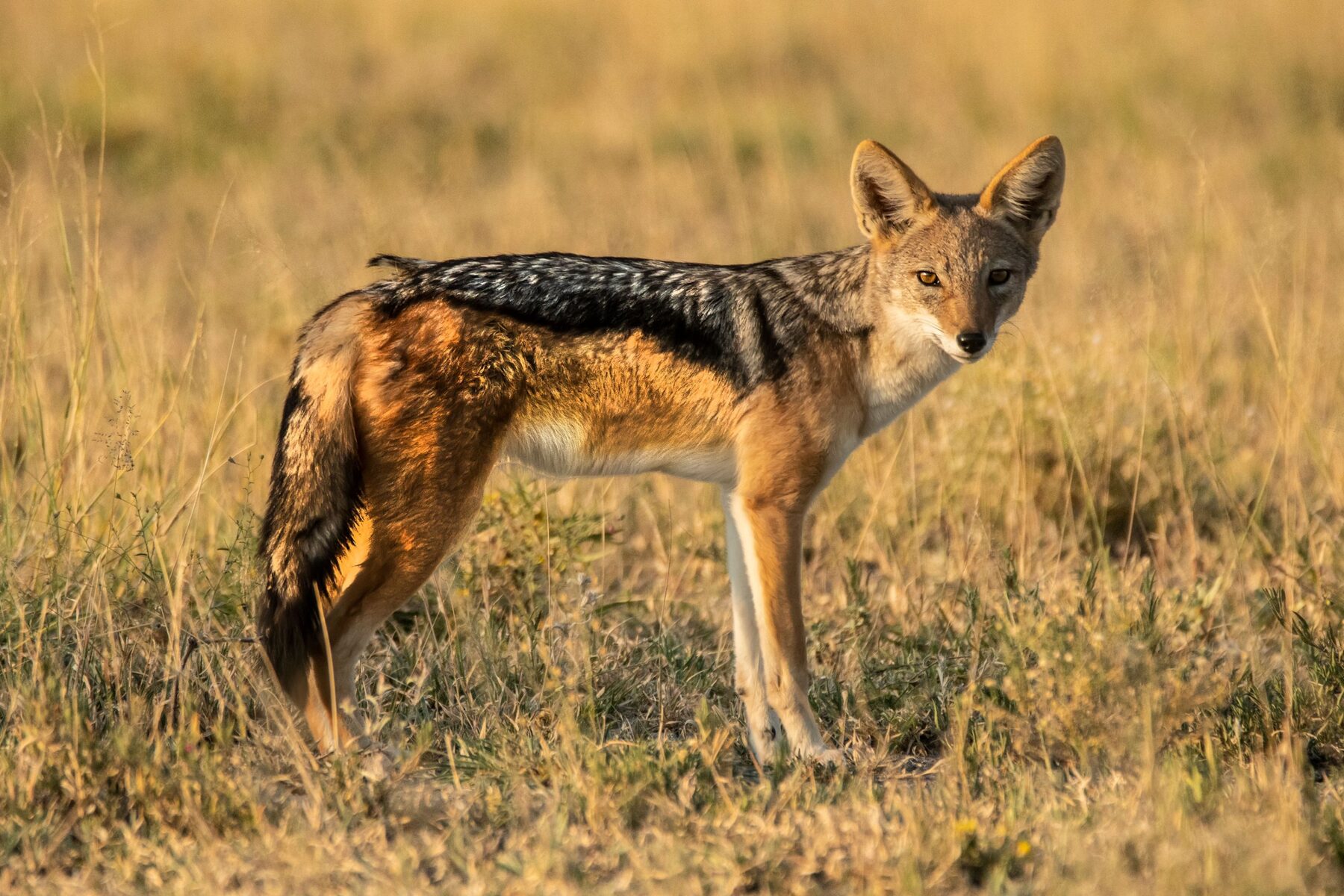
They weigh six to twelve kilograms. The name comes from the saddle — a mantle of black hair shot through with silver running from the neck to the base of the tail, sharply set against rufous flanks. In winter that saddle is dense and clean-edged, and it is the whole reason to take one.
They kill lambs, and that is not folklore. On sheep country a single jackal can cost a farmer a great deal in a season, which is why there is no quota and no closed season on them almost anywhere.
Why it is the one to start on
Because it works.
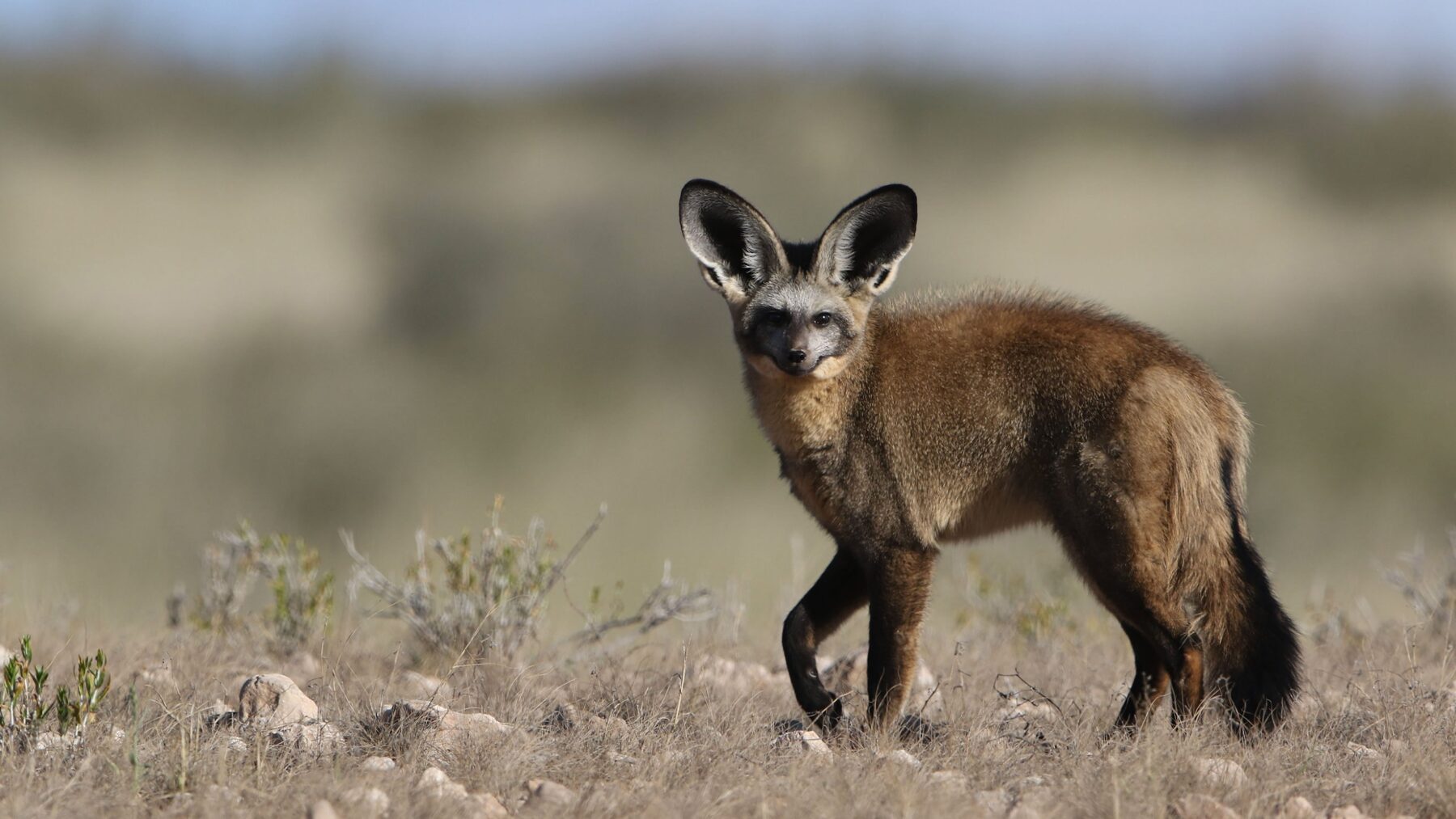
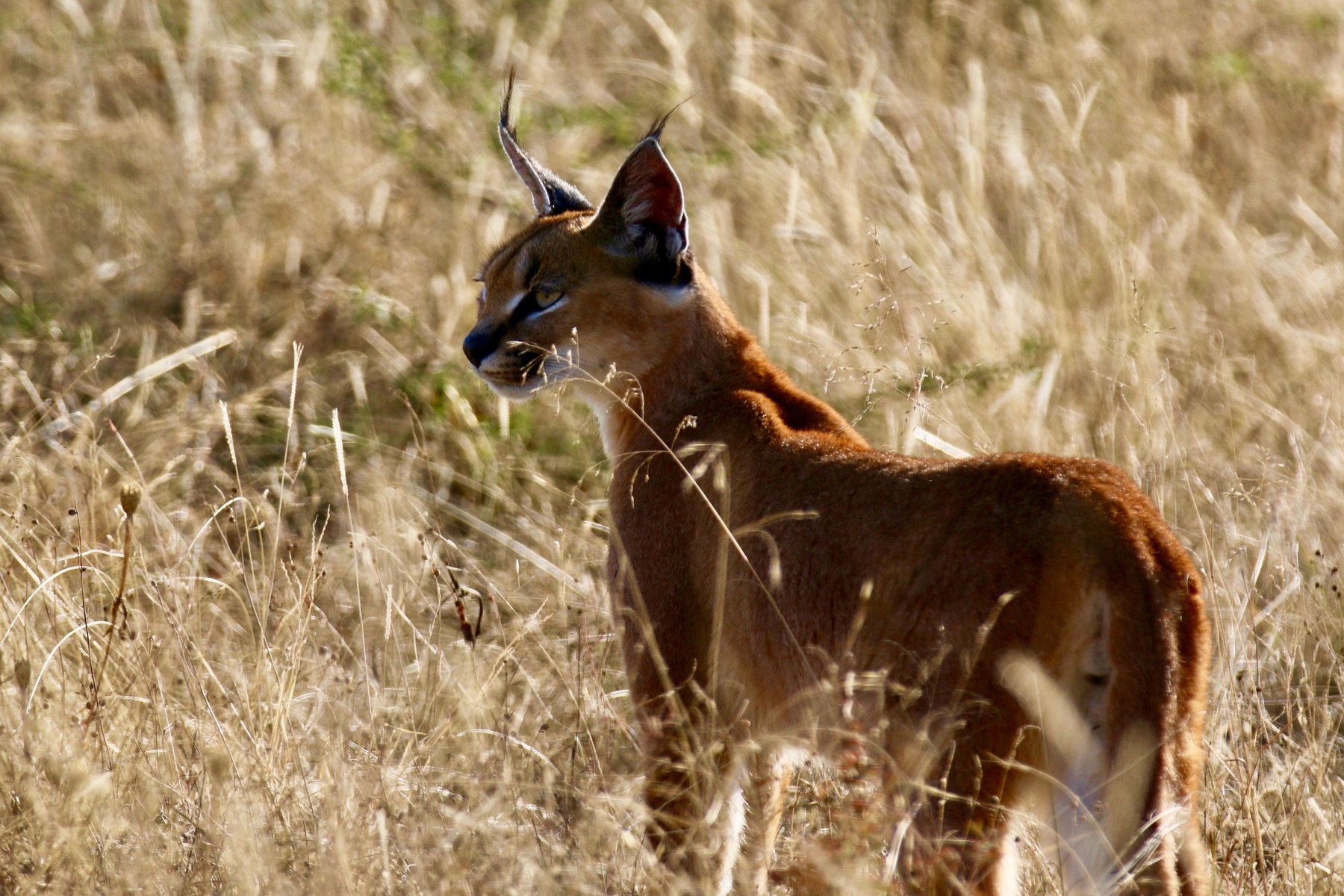
Caracal come late or not at all. Serval need a permit. Civet need luck. Jackal come to a call fast, reliably, and often in the first ten minutes — which makes this the animal that teaches you how night hunting in Africa actually goes before you spend four nights failing to kill a caracal.
They are also genuinely wary. A jackal that has been called before will hang up at eighty metres and circle downwind, and the second one of the night is always harder than the first.
How the hunt runs
Calling, mostly. A distress call — a hare, a bird, a dying lamb — played or blown on a cold, still, moonless night. You sit with a lamp and someone sweeping it slowly across the bush. Jackal come in fast and low, usually from downwind, and the shot comes quickly when it comes.
Lamping from a vehicle also produces them, though less reliably than calling.
They turn up at baits as well, and a jackal on a leopard bait is a decision for your professional hunter rather than for you.
Rifle and pelt damage
A .222, .223 or .22-250 with a light frangible bullet, or a .243. A shotgun with BB shot works inside thirty metres on an animal that is moving.
Shots at called animals tend to be between forty and a hundred metres, so a little more reach than you need for genet and civet is worth having. Still nothing like your plains game rifle — the saddle is the trophy and a .30-06 ruins it.
Practicalities
No quota, no closed season and either no trophy fee or a nominal one on our South African ground. Say before the safari if you want one so the right rifle is carried.
Winter pelts are worth far more than summer ones. Get the animal to salt quickly, and decide before the shot whether you want a flat skin or a full mount.
Import rules differ by country. Check your own position before booking. See our firearms and CITES notice.