For American hunters this is the part of the trip most often asked about last, and it is the part that should be asked about first.
For common plains game it is paperwork and patience. For a handful of species it is the thing that decides whether you should book that hunt at all — and the honest answer for those is that it needs checking at the time, not taken from an article.
A caution before anything else. Import rules change, sometimes at short notice, and they have changed repeatedly for some of the species below. Nothing here is legal advice. Treat it as a map of what you need to look into, then verify the current position with the US Fish and Wildlife Service and your own broker before you pay a deposit on a hunt that depends on it.
The paperwork, in order
In camp. Skinners prepare everything the same day and tag it with your name and the relevant permit numbers before it leaves. This is where your mount decision has to be made — say shoulder mount or European skull before the animal is skinned.
Dip and pack. Skins are chemically treated and skulls boiled and cleaned at a licensed facility. This is not optional and it is not cosmetic: untreated raw skins will not clear US customs, and the veterinary requirements exist to keep foreign disease out of American livestock.
Export permits. The country of origin issues the export documentation. For CITES-listed species this includes a CITES export permit, which is the slowest part of the whole chain.
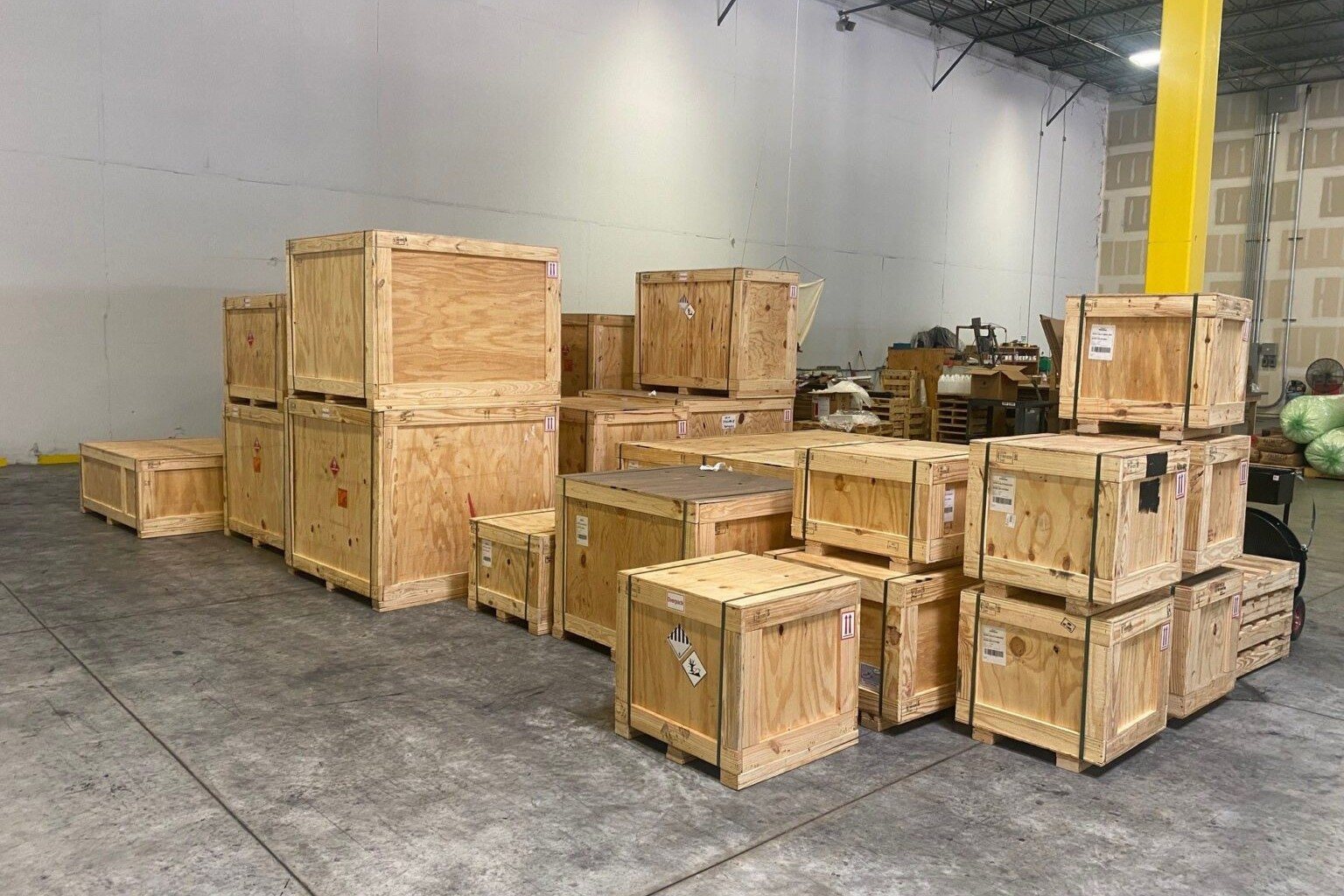
Shipping. Crated and freighted by sea or air. Sea is much cheaper and much slower.
Arrival in the US. This is where your obligations start.
What happens at the US end
Form 3-177. Every wildlife import into the United States is declared to the Fish and Wildlife Service on a Declaration for Importation or Exportation of Fish or Wildlife. Your broker files it. There is an inspection fee.
Designated ports. Wildlife has to come in through a port approved for it, not simply whichever airport is nearest you. Your broker will route the shipment accordingly.
A customs broker. You need one, and you want one who clears hunting trophies routinely rather than one who will be learning on your shipment. This is a real cost and a real choice — ask your outfitter for names. We can recommend agents who handle this every week.
Lacey Act. It is a federal offence to import wildlife taken in violation of the laws of the country of origin. In practice this means your hunt must have been legal and properly permitted where it happened, which is one more reason the quality of your outfitter’s paperwork matters.
The species that need more than an export permit
This is the part worth understanding before you book rather than after.
Broadly, CITES species fall into two groups. Appendix II species — buffalo is not listed at all; many others are listed but routinely traded — generally need an export permit from the country of origin and nothing additional from the US side beyond the usual declaration. Appendix I species need a US import permit as well, issued in advance, and that is a separate application with its own timeline and its own grounds for refusal.
On top of CITES, the Endangered Species Act applies independently. A species can be perfectly legal to hunt and export and still require a separate ESA permit to bring into the United States. The two systems are not the same and satisfying one does not satisfy the other.
The ones to check carefully:
- Elephant. The most changeable of the lot. US import of sport-hunted African elephant trophies has been suspended, resumed, and handled case by case at different times and for different countries, and the position has specifically changed more than once for Zimbabwe. Do not assume last year’s answer holds. Check before you book, not after you hunt.
- Leopard. Appendix I, and ESA-listed. Needs a US import permit arranged in advance.
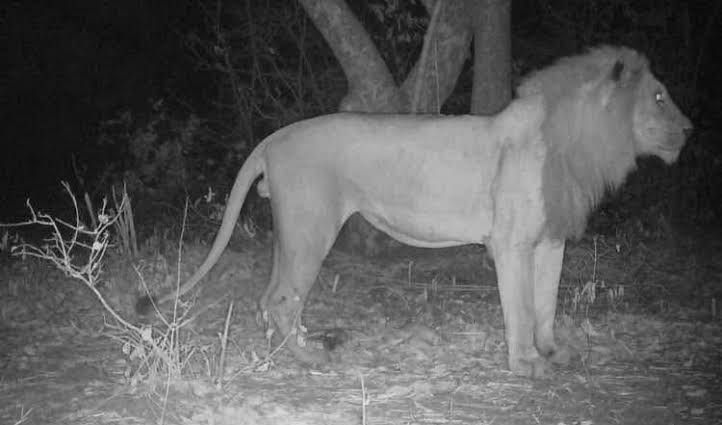
- Lion. ESA-listed, with import requirements that depend on population and origin.
- Rhino. Heavily restricted in every direction, and a hunt most people should treat as a trophy that stays in Africa unless they have taken specific advice.
- Crocodile and hippo. Listed, generally manageable, but permitted rather than automatic.
Common plains game — kudu, impala, warthog, blesbok, wildebeest, gemsbok, zebra, bushbuck, nyala, waterbuck and the rest — is the easy case. Declaration, inspection, broker, done.
Buffalo is not CITES-listed, which surprises people given what it costs to hunt one.
The timeline, honestly
Six to twelve months from your last day in camp to a mounted trophy, and the permits are where the time goes rather than the shipping. Elephant and leopard paperwork routinely takes longer than every other stage combined.
Plan for it and it will not bother you. Expect three months and you will spend the year irritated. The full stage-by-stage breakdown is on our trophy shipping page.
Practical advice
Raise it at the enquiry stage. If you want an animal whose import is restricted, that conversation belongs in your first email, not after the deposit. We would rather tell you that a hunt may not be importable than take the booking.
Keep every document. Permits, tags, the dip-and-pack paperwork, your licence. Scan all of it before you fly home.
Appoint the broker early. Not when the crate lands.
Decide what you actually want home. Some hunters take dangerous game for the hunt and are content for the trophy to stay in Africa or be mounted there. That is a legitimate choice and it removes the hardest part of the problem entirely.
Verify, every time. The single most useful habit is to check the current USFWS position for your species and country of origin before you commit, however recently you last looked.
Where we fit
We handle the field preparation, the dip-and-pack facility and the export side, and we will tell you plainly what the import position looks like for what you want to hunt. We are not customs brokers and we do not pretend to be — what we will do is make sure the paperwork leaving Africa is right, and point you at people who do the rest for a living.
Ask us about a specific species before you book. It is a much better conversation to have early.