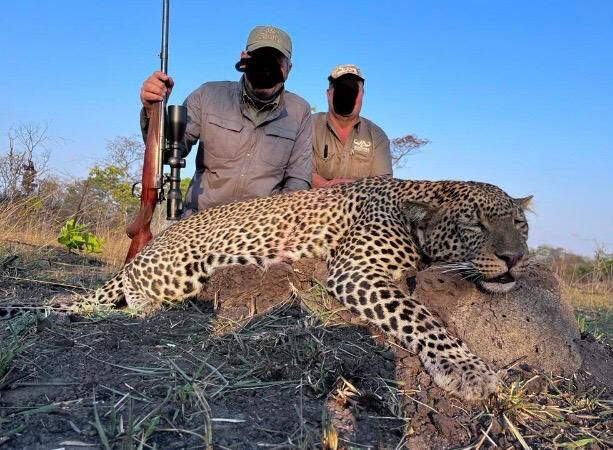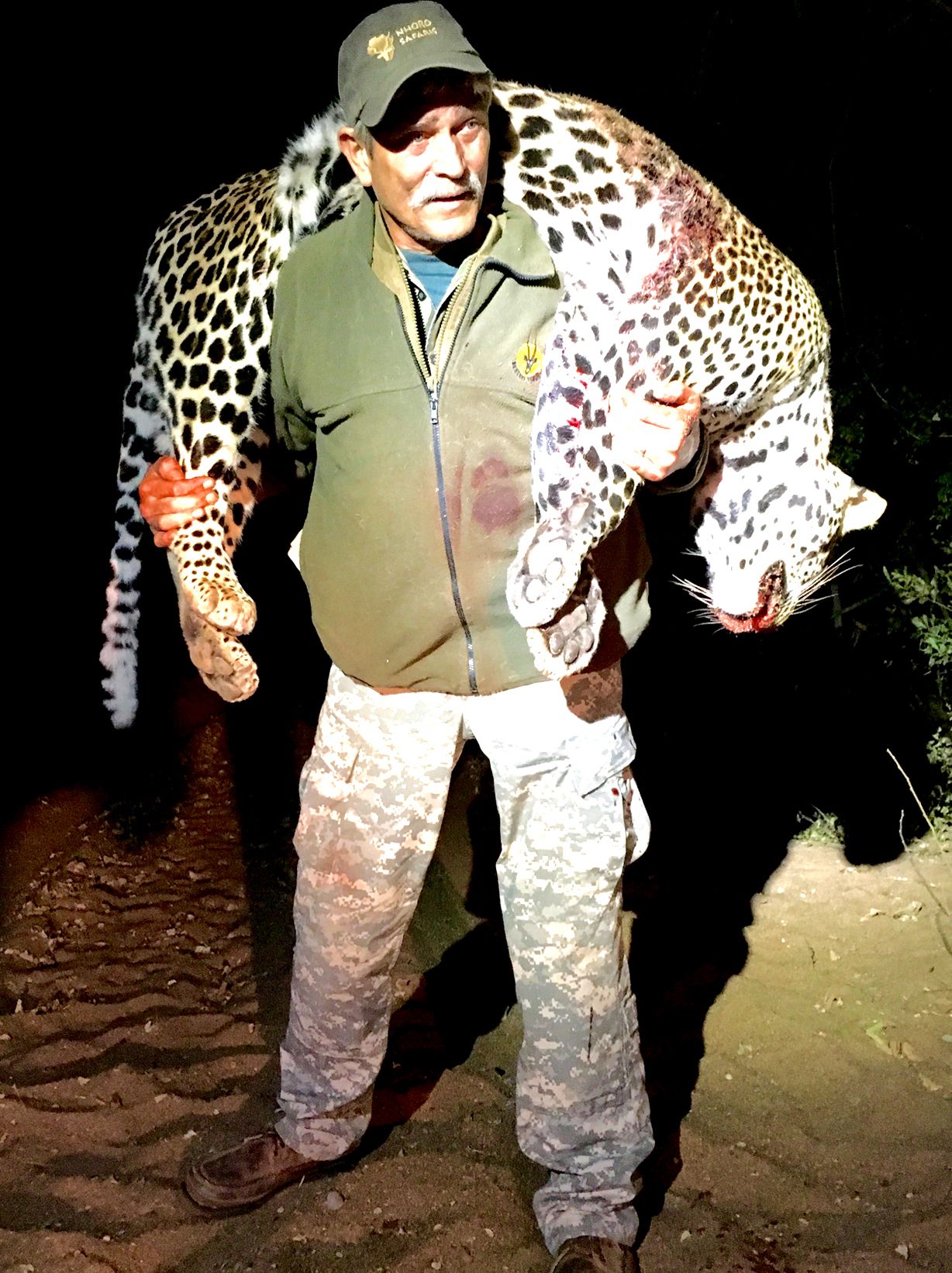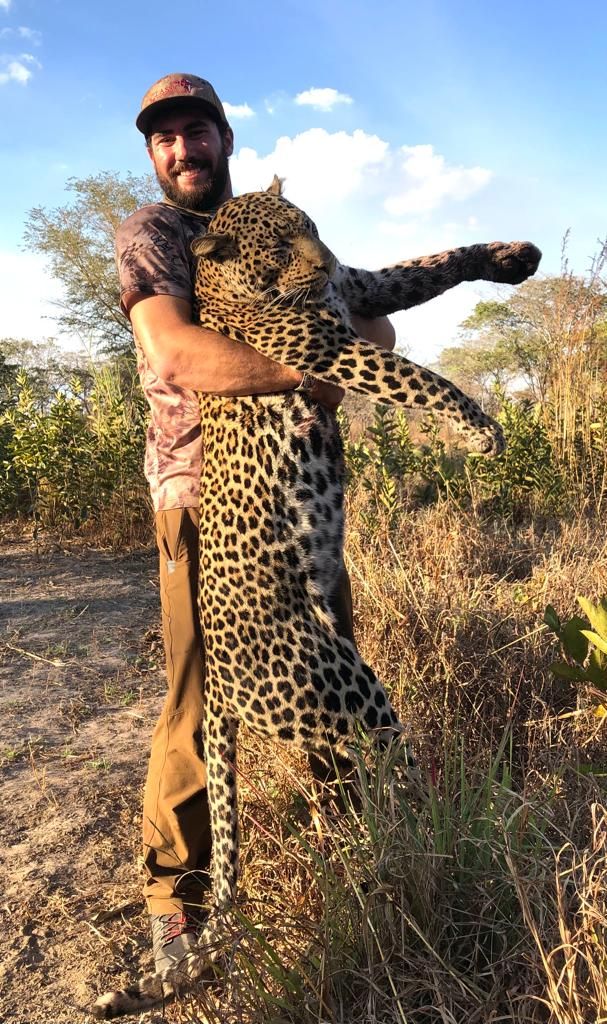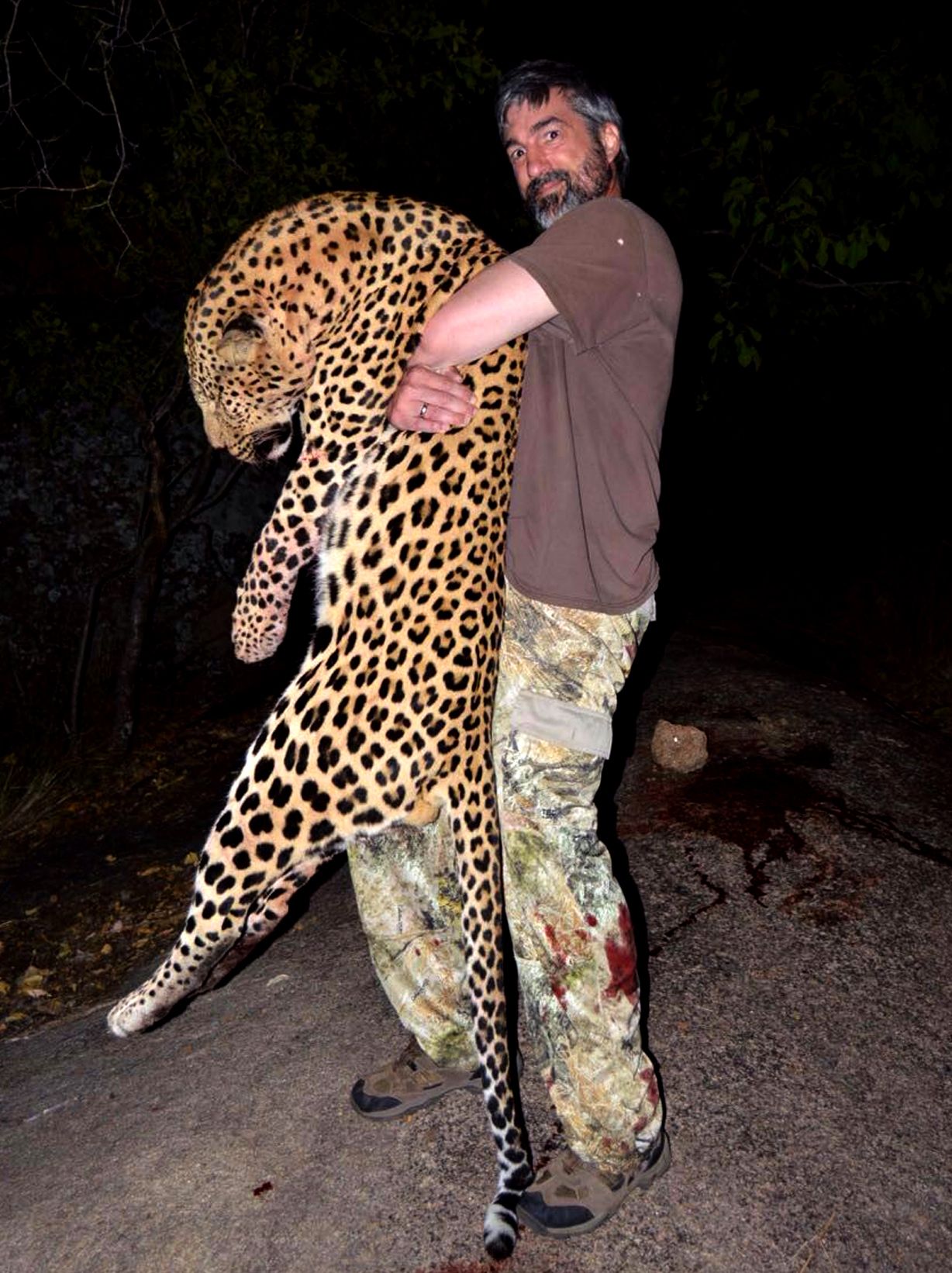
The animal
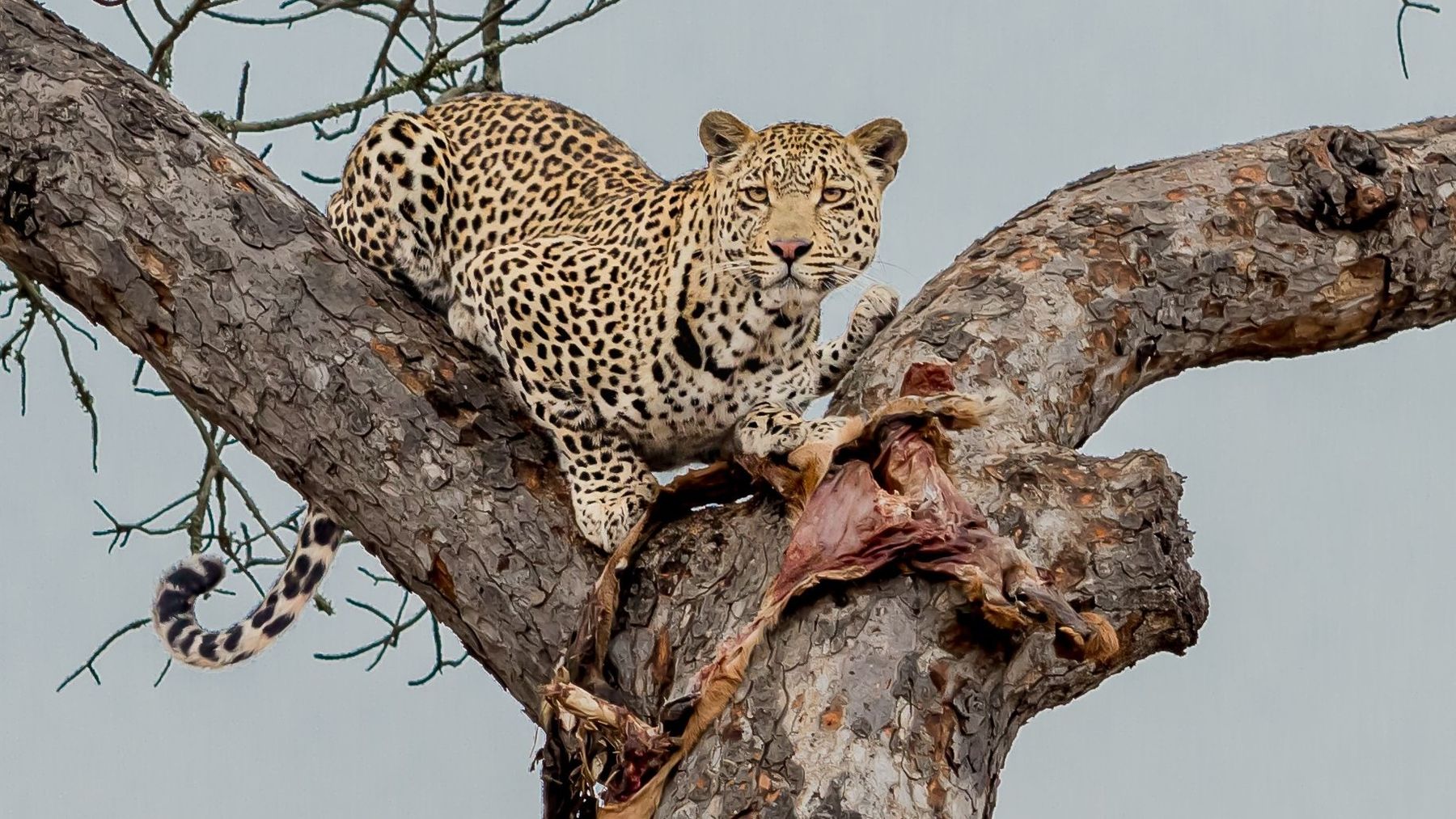
Leopard are the most widely distributed big cat in Africa and the least often seen. They live comfortably within a few kilometres of villages, farms and roads, feed at night, and are so cautious that a resident tom can occupy a valley for a decade without anyone knowing he is there.
That caution is what makes hunting them difficult. It is not distance or terrain — it is that everything must be done without the cat ever suspecting a person has taken an interest in him.
Judging a tom
You are looking for a mature male, and the difference between a big tom and a large female is genuinely hard at fifty metres in failing light. This is the single most important judgement your professional hunter makes on the hunt, and it is why leopard is never a hunt for an unsupervised shooter.
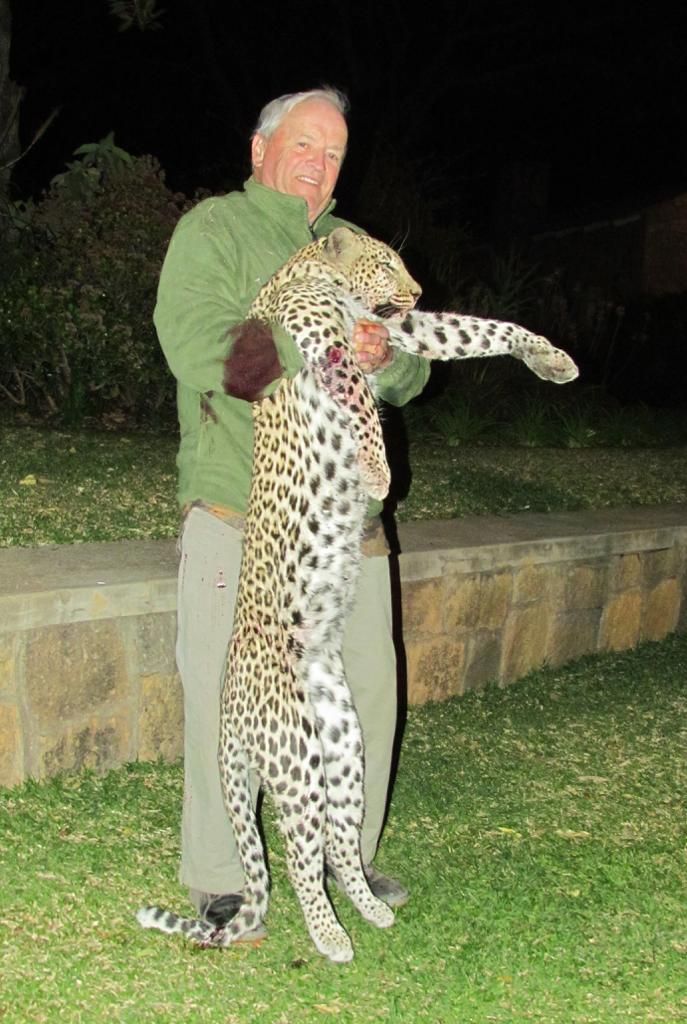
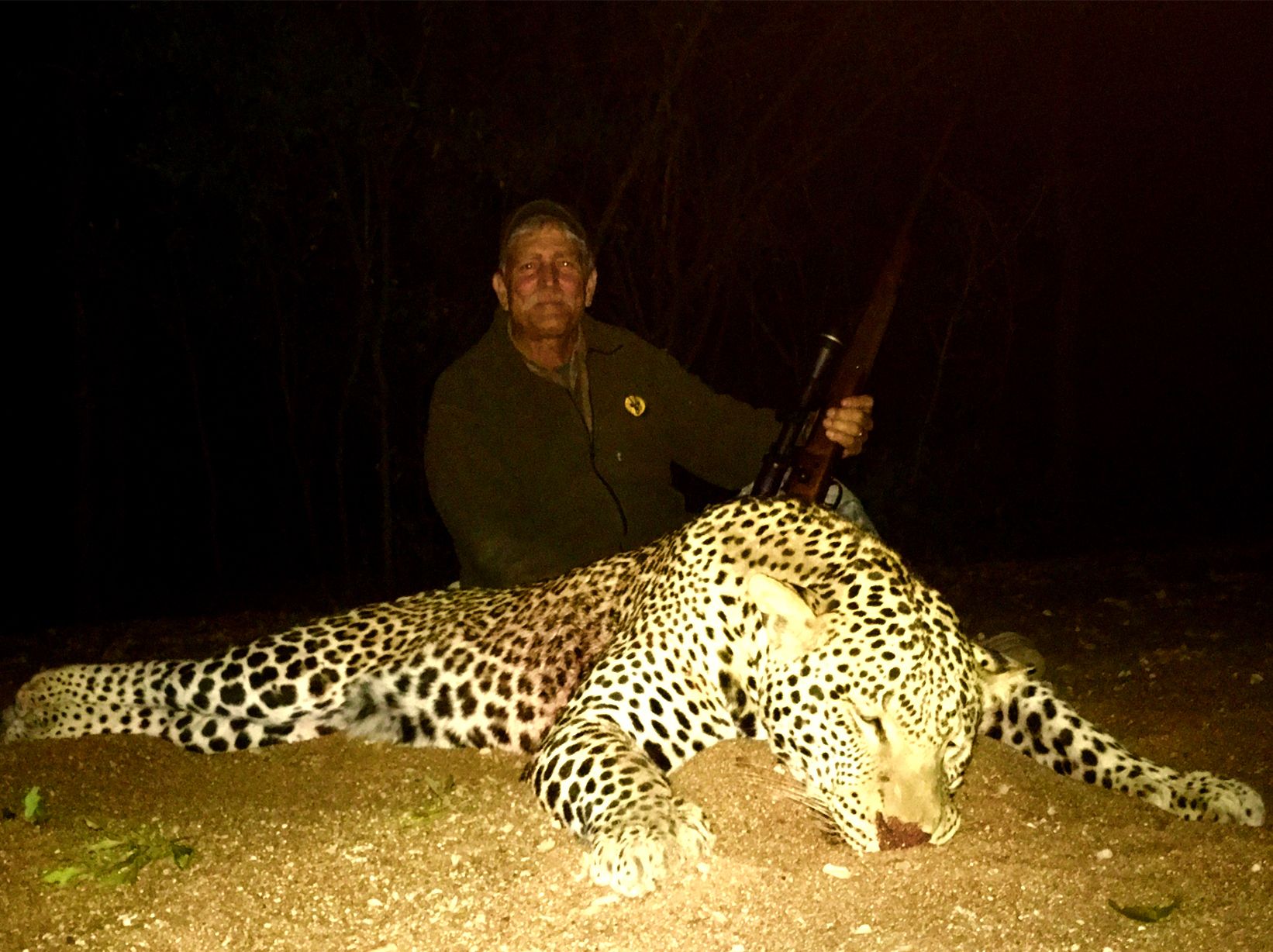
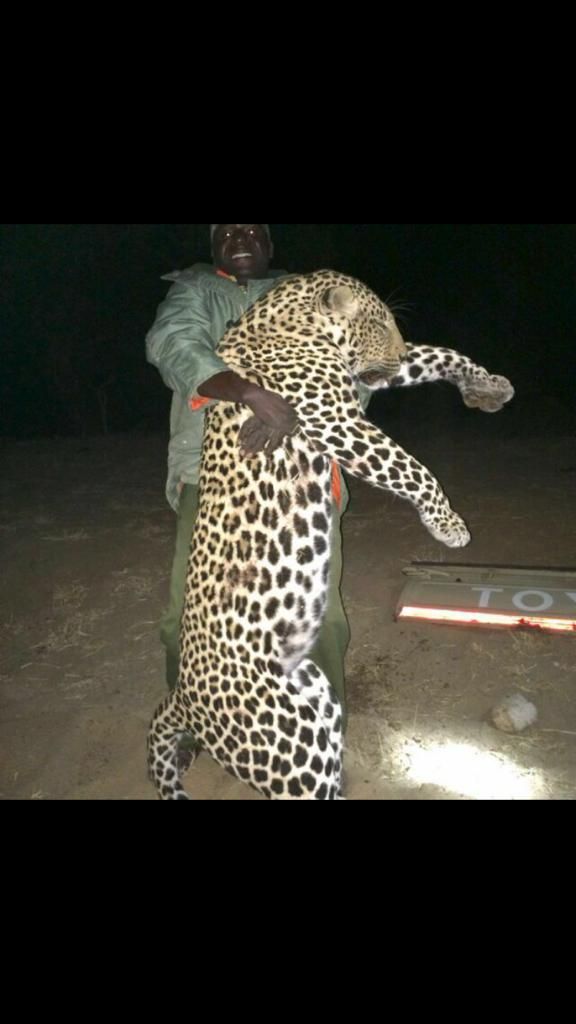
A mature tom is blocky. Heavy through the head and jaw, thick-necked, with a loose dewlap under the throat and forelegs noticeably heavier than the hind. He looks, in silhouette, front-heavy. Females are lighter, narrower in the head, and move differently.
Where the cat can be photographed on a trail camera at the bait before you sit, that judgement gets made properly and in daylight rather than in three seconds at dusk. Most of our leopard hunting now works this way.
How the hunt runs
Baits go up first — usually impala, warthog or zebra hung in trees along drainage lines, riverine strips and rocky outcrops where sign suggests a resident tom. Then the daily circuit begins: check every bait, read the tracks beneath it, work out what fed and when.
When a mature male is feeding consistently, a blind goes in. Grass, branches, and enough patience to build it so it looks like it has always been there. Then you sit, usually from mid-afternoon into the dark, sometimes for many consecutive evenings.
The cat comes when he comes. He may feed at eleven at night for four nights and then arrive twenty minutes before last light on the fifth. Where legal and where the concession permits it, some hunting is done after dark under artificial light.
Rifle and optics
A .375 with premium expanding bullets. It is the legal minimum for leopard in Zimbabwe and the right tool for the job. Leopard are not heavily built and do not need enormous energy — they need one accurate shot into the chest.
Optics matter more than calibre here. You may be shooting at fifty metres into deep shadow, and a bright, low-magnification scope with a clear reticle is worth considerably more than an extra hundred grains of bullet. Set your scope on low power before you sit.
A wounded leopard in thick cover is, by consensus among professional hunters, more dangerous than a wounded lion. They are fast, low, silent, and they go for the face. Take the shot you are certain of and no other.
Practicalities
Our leopard hunting is in Zimbabwe. The exact area is set by the permit — we apply, and the quota comes back allocated to a particular block, so the ground is confirmed once the permit is issued. Leopard is CITES-listed and quota is strictly limited and allocated annually. Hunts run fourteen to twenty-one days.
Import rules differ by country and have changed. Check your own position before booking. See our firearms and CITES notice.