Underrated, and difficult
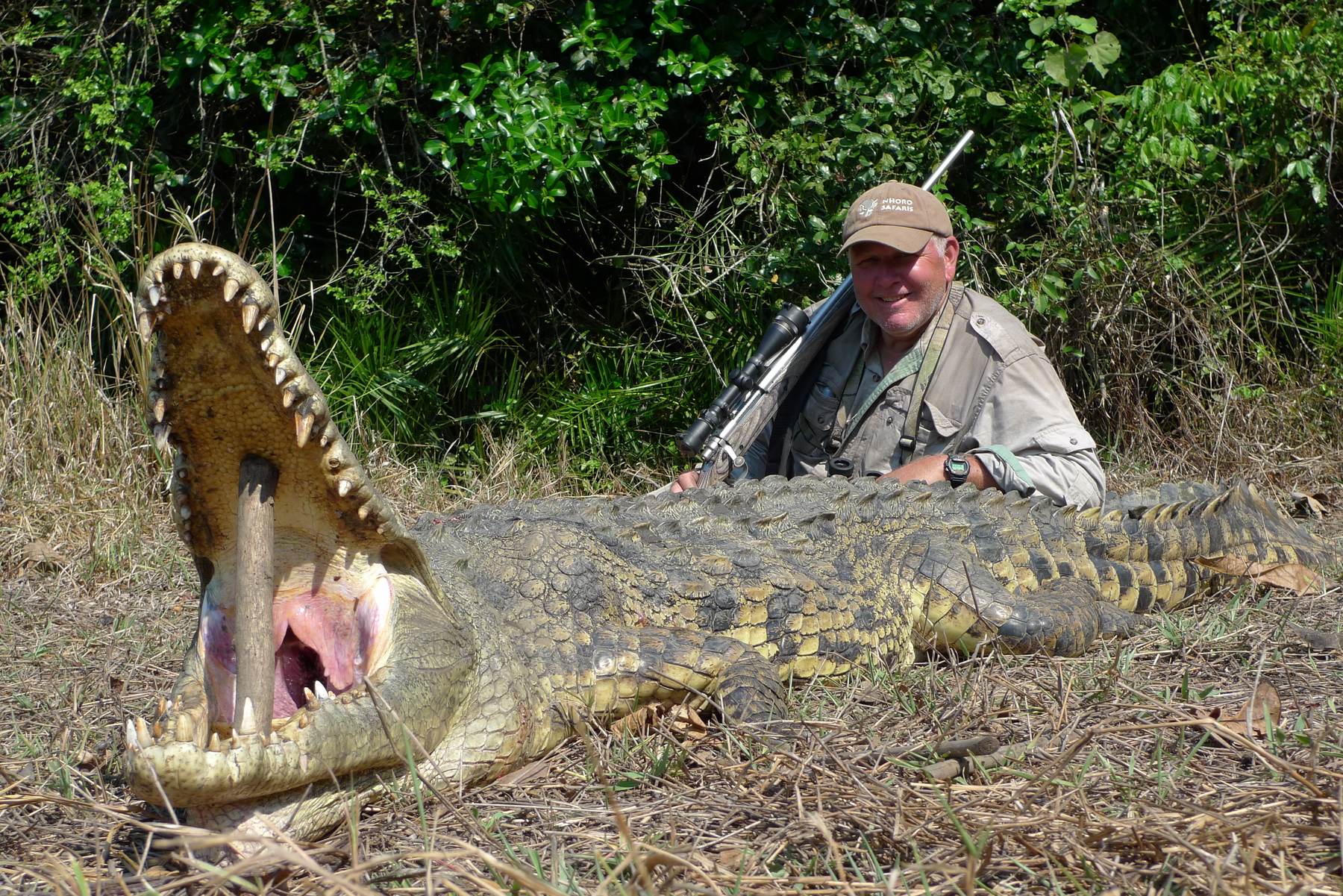
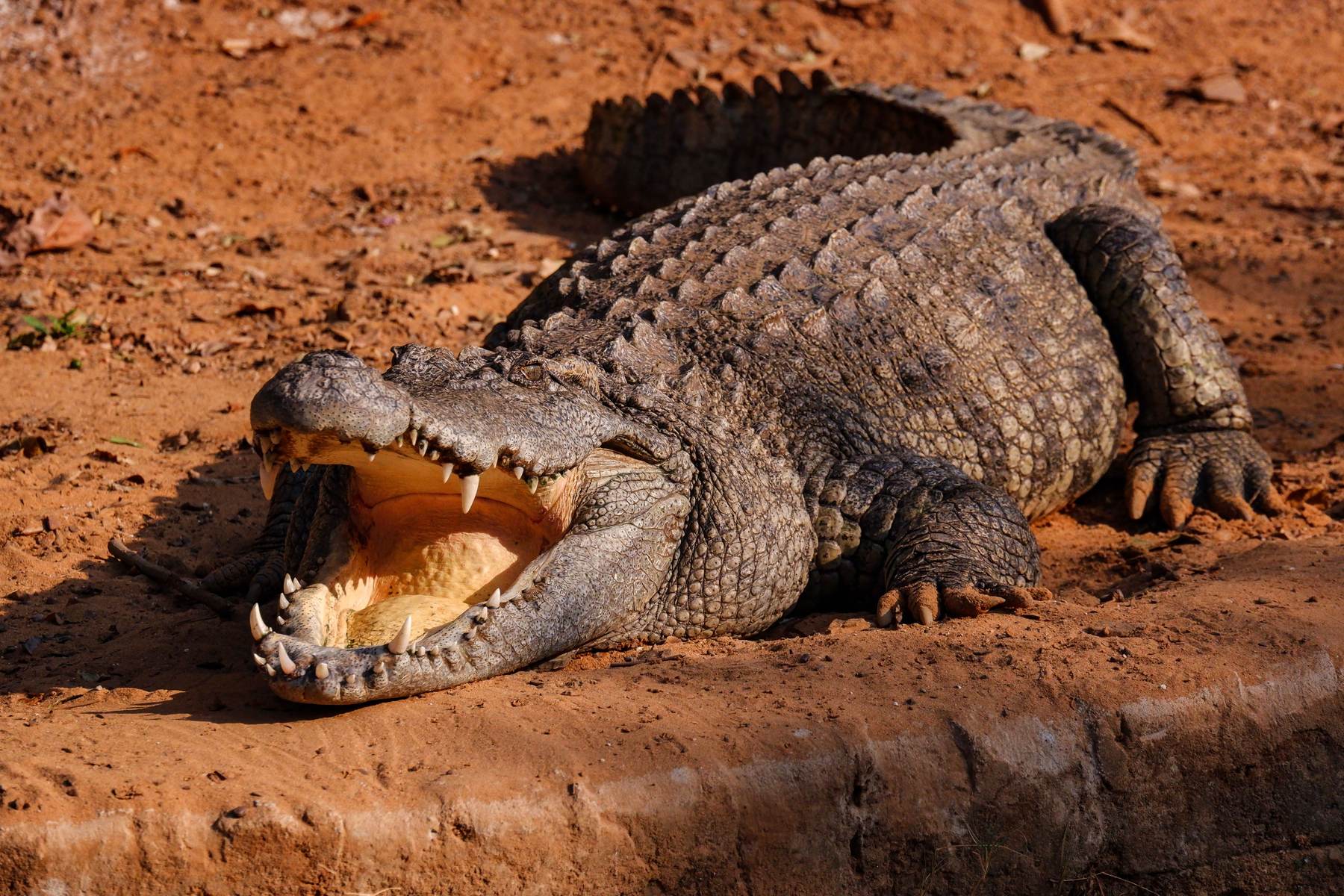
Crocodile get treated as an easy add-on to a species list. They are not. A big male Nile crocodile has survived fifty years by treating everything that moves on a riverbank as a threat, and getting inside eighty metres of one basking on an open sandbank is a serious piece of stalking.
They also cannot be followed up. A crocodile that is not killed instantly goes into water where recovery is impossible. That single fact governs the entire hunt.
The shot
The target is the brain, which on a fourteen-foot crocodile is roughly the size of a matchbox and sits behind and slightly above the eye. Alternatively the spine at the base of the skull, which is marginally more forgiving.
Anything else and the animal reaches the water. A lung-shot crocodile is a lost crocodile, and it will die in the river for nothing. This is why we do not take marginal shots on crocodile under any circumstances, and why the stalk matters so much — you must get close enough to be genuinely certain.
Calibre is less important than precision. A .270, .30-06 or .300 magnum with a good scope and a solid rest will do everything required. Bring the rifle you shoot most accurately, not the heaviest one you own.
The stalk
Crocodile bask on exposed sandbanks and rock shelves in the morning and again in the afternoon, and they choose spots with clear sightlines and immediate water access. That is the problem.
The approach is done from downwind and out of sight, frequently on hands and knees for the last hundred metres, using riverbank vegetation, reeds and the shape of the bank itself. It is slow. A single stalk can take two hours to cover four hundred metres.
Then you need a rest. Shooting sticks are often too high — most crocodile shots are taken prone or from a low kneeling position off a pack. Your professional hunter will get you into position and confirm the animal before you shoot.
Judging size
Estimating length on a basking crocodile takes practice and most first-timers overestimate badly. Head length is the reliable proxy: on a Nile crocodile, total length is roughly seven times head length. A head of about sixty centimetres suggests a fourteen-foot animal.
Look also at the build. An old male is broad and heavy through the jaw and neck, with worn or missing teeth and a thick, scarred body. Younger animals of the same length look noticeably slimmer.
Where we hunt them
Lake Kariba around Binga in northern Zimbabwe is our primary crocodile water and holds genuinely large old males. The Zambezi Delta in Mozambique also holds high densities in the channels.
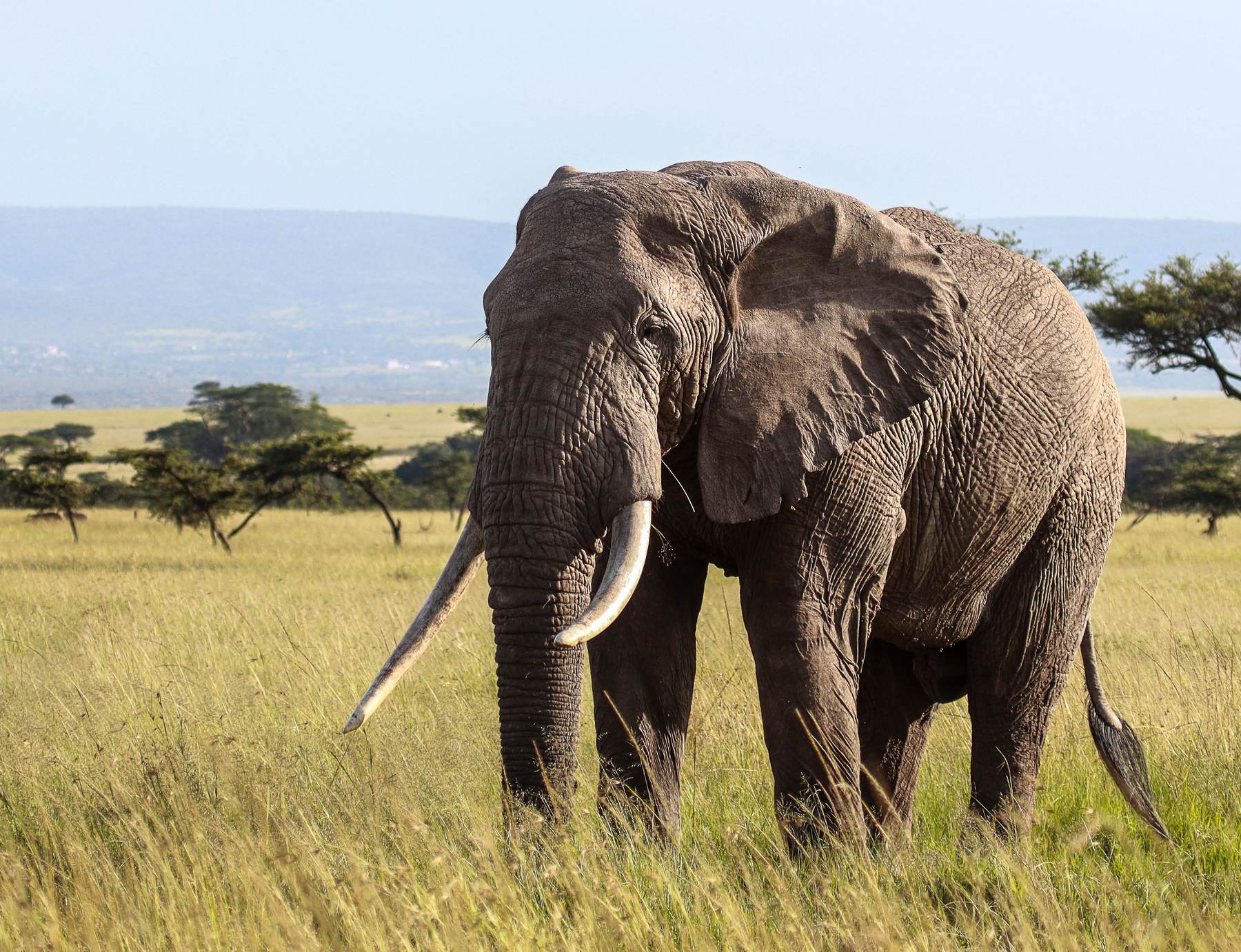
Crocodile is commonly added to an elephant or buffalo safari rather than hunted on its own, since the basking hours fit around the middle of a hunting day.
Practicalities
Crocodile is CITES-listed and requires an export permit. The trophy is usually a full skin, which tans beautifully but needs correct handling from the first hour — our skinners are experienced with it. A skull-only European mount is also an option.