The animal
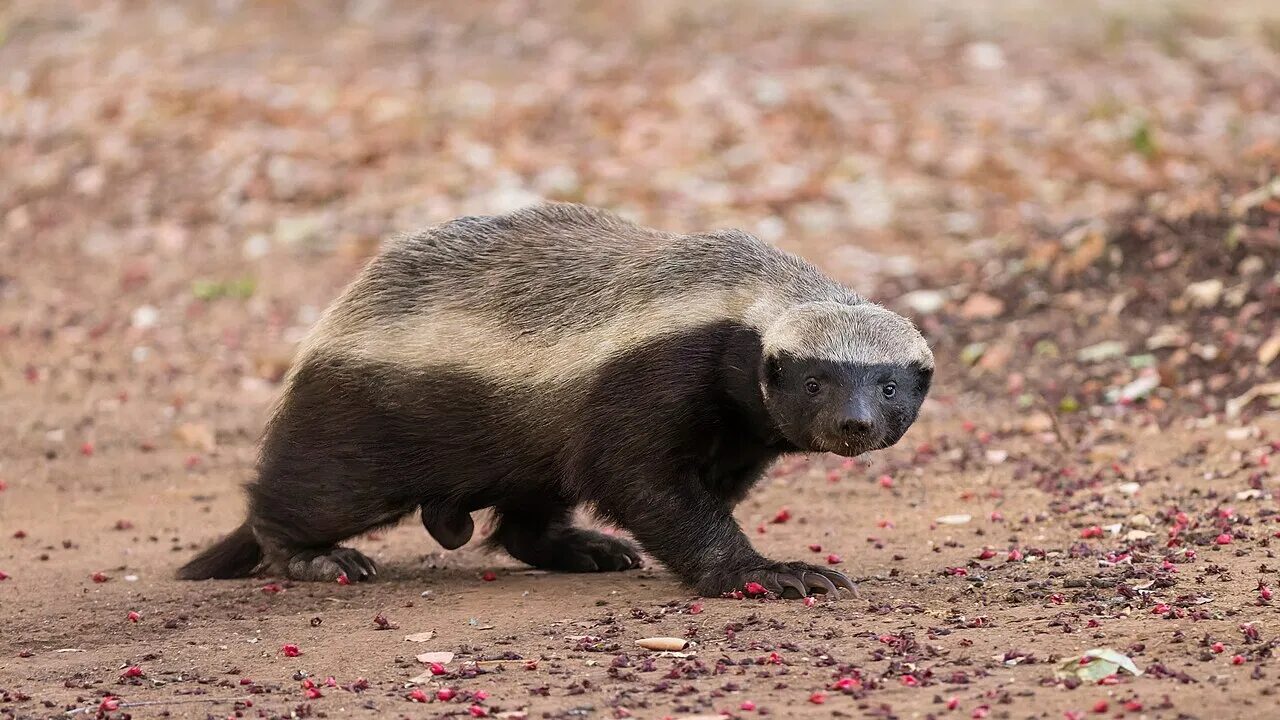
The ratel, and its reputation is mostly earned.
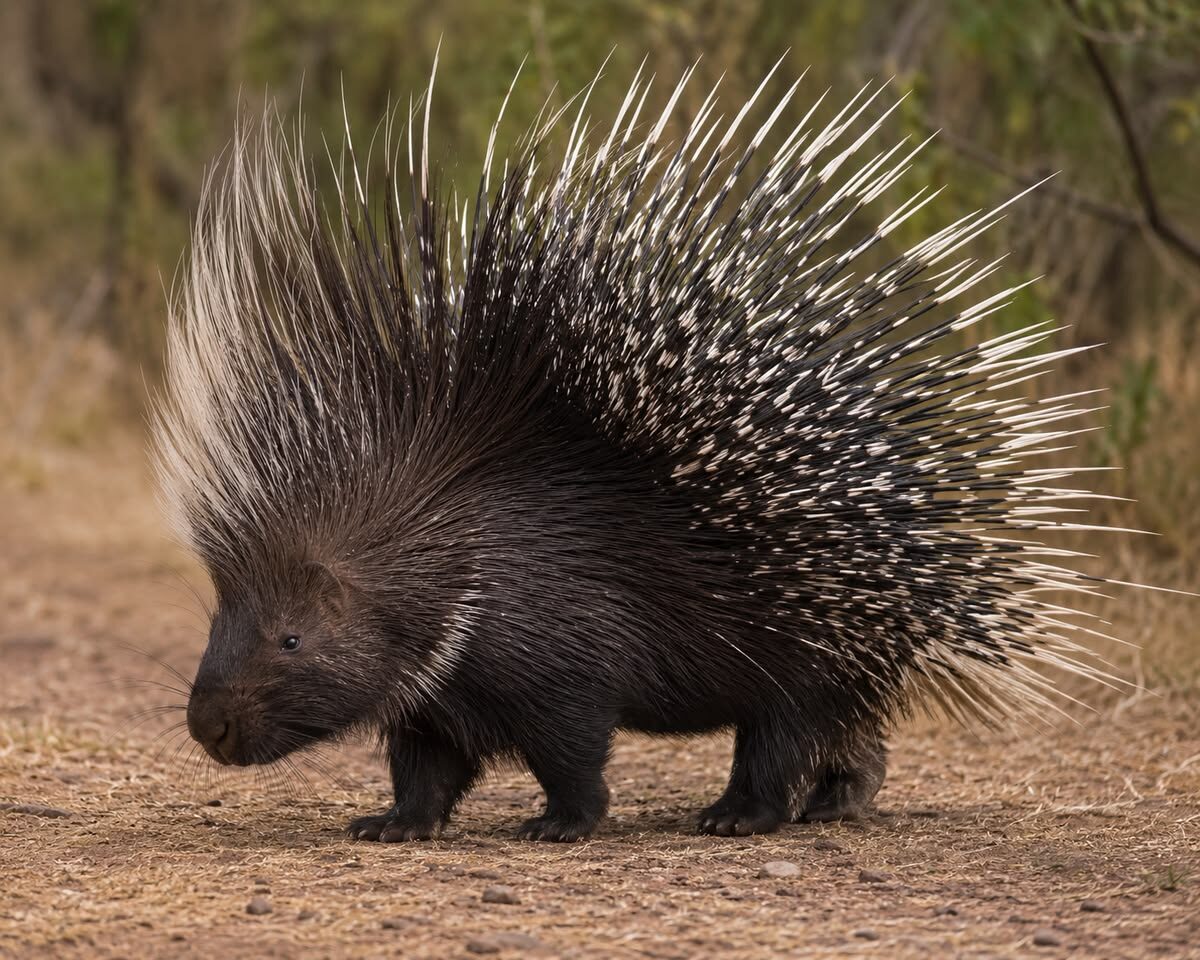
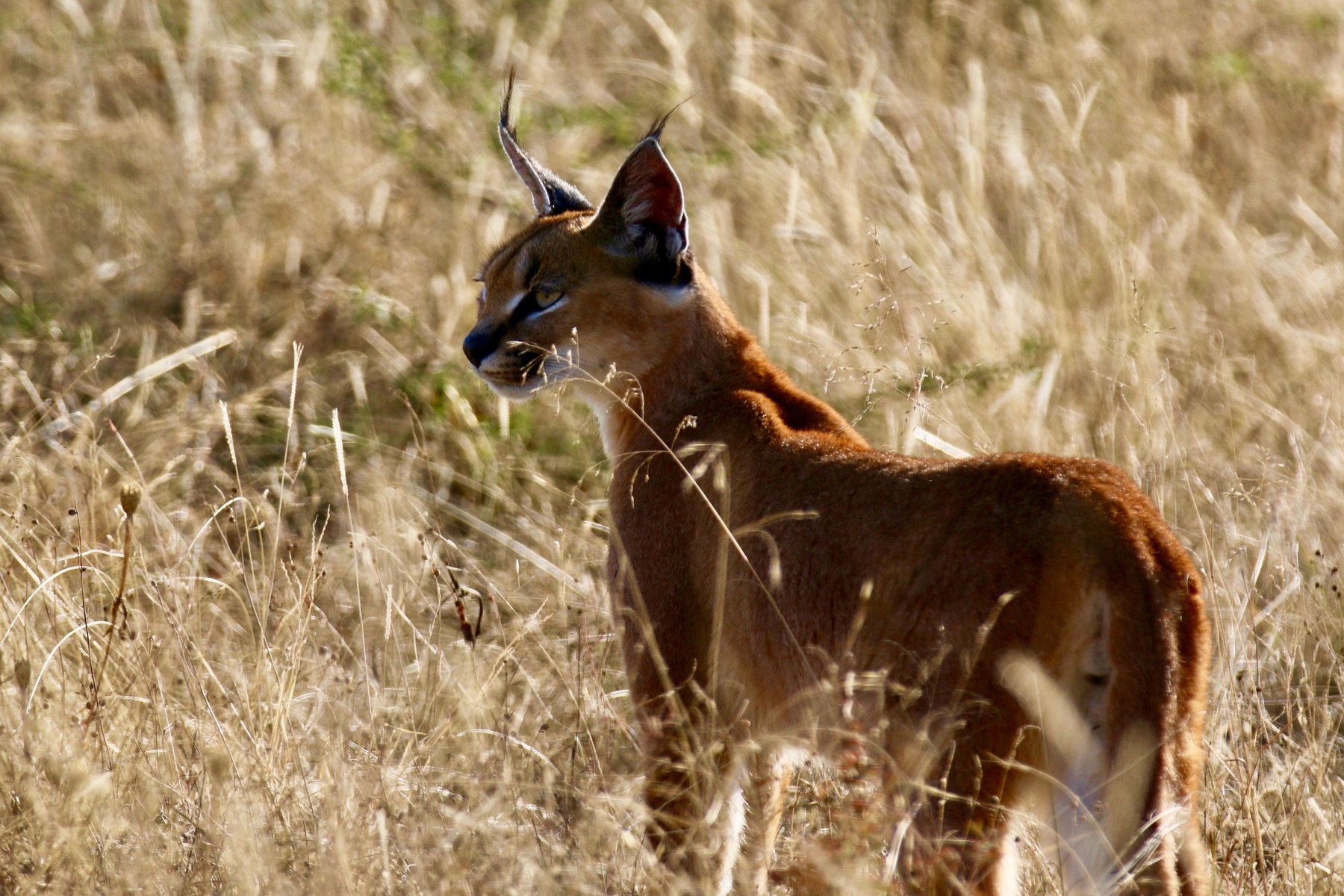
A honey badger weighs twelve to sixteen kilograms — about the same as a caracal, less than a bushbuck lamb. What makes it remarkable is everything else. The skin is roughly six millimetres thick across the back, loose enough that an animal gripped by a predator can rotate inside its own hide and bite whatever is holding it. Bee stings, porcupine quills and most snake bites do not stop them.
They are near-immune to puff adder and cobra venom, which they survive through a combination of tolerance and that hide. Honey badgers that have been envenomated have been watched to go unconscious, lie still for a few hours, then get up and finish eating the snake.
They will not back down. There is well-documented footage of single honey badgers driving lions off a kill, and any professional hunter who has worked in Africa long enough has watched one refuse to yield ground to something ten times its size. They are not brave in any useful sense — they simply have no reverse gear.
The name is half wrong
They do raid beehives, and the association with the greater honeyguide — the bird supposedly leading them to nests — is one of the best-known stories in African natural history. It is also disputed; the evidence for the bird deliberately guiding badgers rather than people is surprisingly thin.
What is not disputed is the diet, which is almost anything: scorpions, snakes, tortoises, rodents, birds, eggs, insect larvae, carrion, fruit. Mostly they dig. A honey badger working a stretch of ground leaves it looking ploughed.
How the hunt runs
Rarely, and mostly by accident.
Honey badger are not common, they are largely nocturnal where they are hunted, and they cover enormous distances. You do not go out to hunt one in the way you go out for a kudu.
Lamping at night produces most of them, usually while looking for something else.
At a bait — they come to carrion readily and turn up on trail cameras at leopard baits with some regularity. Whether you shoot one while a cat hunt is running is your professional hunter’s call.
By chance, in the last hour of light, digging in the open.
If you want one, say so at the start of the safari. Then accept that most safaris do not produce the opportunity.
Rifle and shot placement
A .222, .223 or .243 with an expanding bullet.
Place it properly. That hide is thick enough to matter, the body is low and compact, and a badly hit honey badger goes to ground in a hole or a thicket. Do not follow a wounded one into cover, and do not let a dog near it. This is the one animal on this list where that advice is not a formality — they are entirely capable of injuring a person and completely willing to.
Practicalities
No quota on our South African ground and either no trophy fee or a nominal one.
They make striking full mounts, and the contrast of the pale mantle against the black underside gives a taxidermist a great deal to work with. Say before the shot if that is what you want.
Import rules differ by country. Check your own position before booking. See our firearms and CITES notice.