The animal
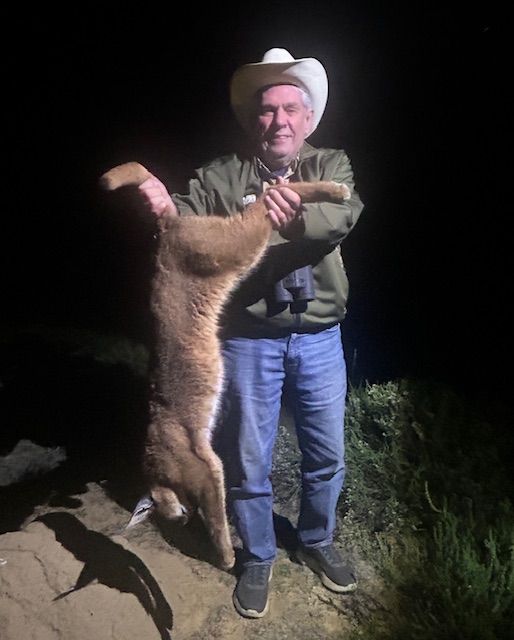
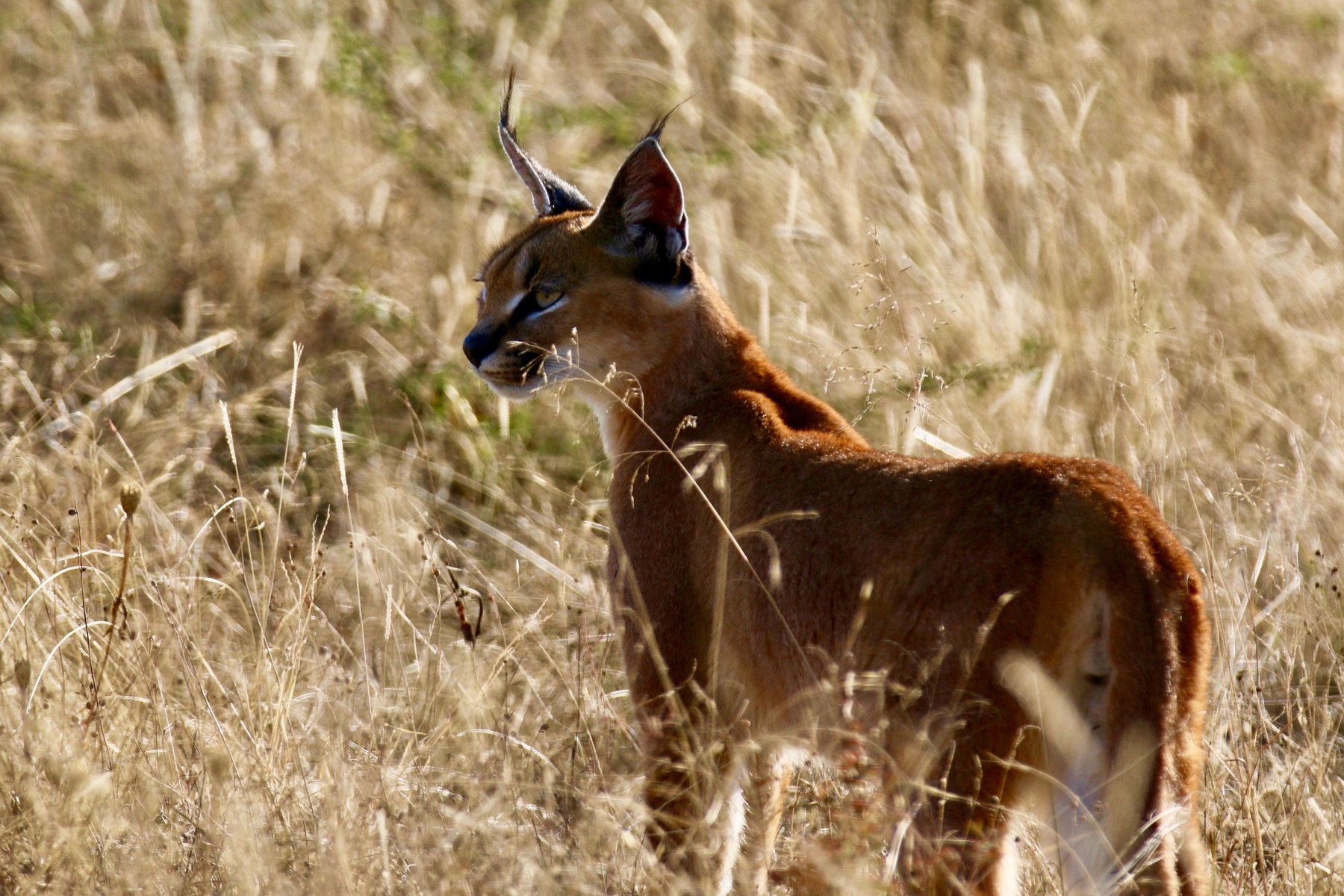
The rooikat. A compact, heavily muscled cat weighing twelve to eighteen kilograms, with a short tail, a plain rufous coat, and the black ear tufts that give it its name in half a dozen languages.
They are far stronger than their size suggests. A caracal will take an adult impala, kill a full-grown sheep, and jump high enough to pull birds out of the air. On farmland they do enough damage to livestock that they are hunted year round as problem animals, which is also why there is no shortage of them on the ground we hunt.
What you almost never do is see one. Caracal are largely nocturnal, they use cover intelligently, and they will sit motionless in grass while you walk past at ten metres. Most hunters who take one never saw a caracal on any previous safari.
Why it is the pick of the small predators
Because it is the hardest of them and the best-looking.
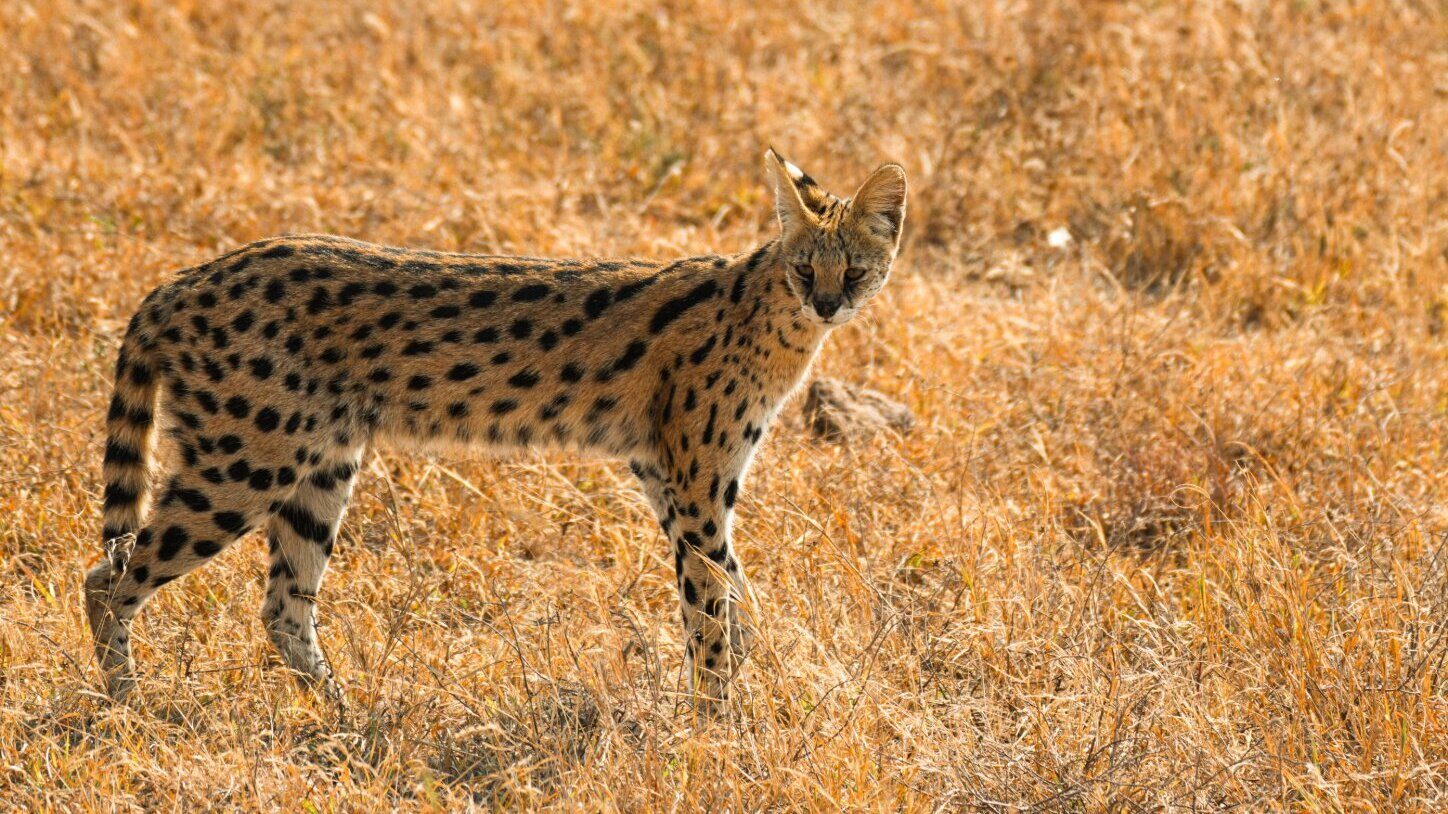
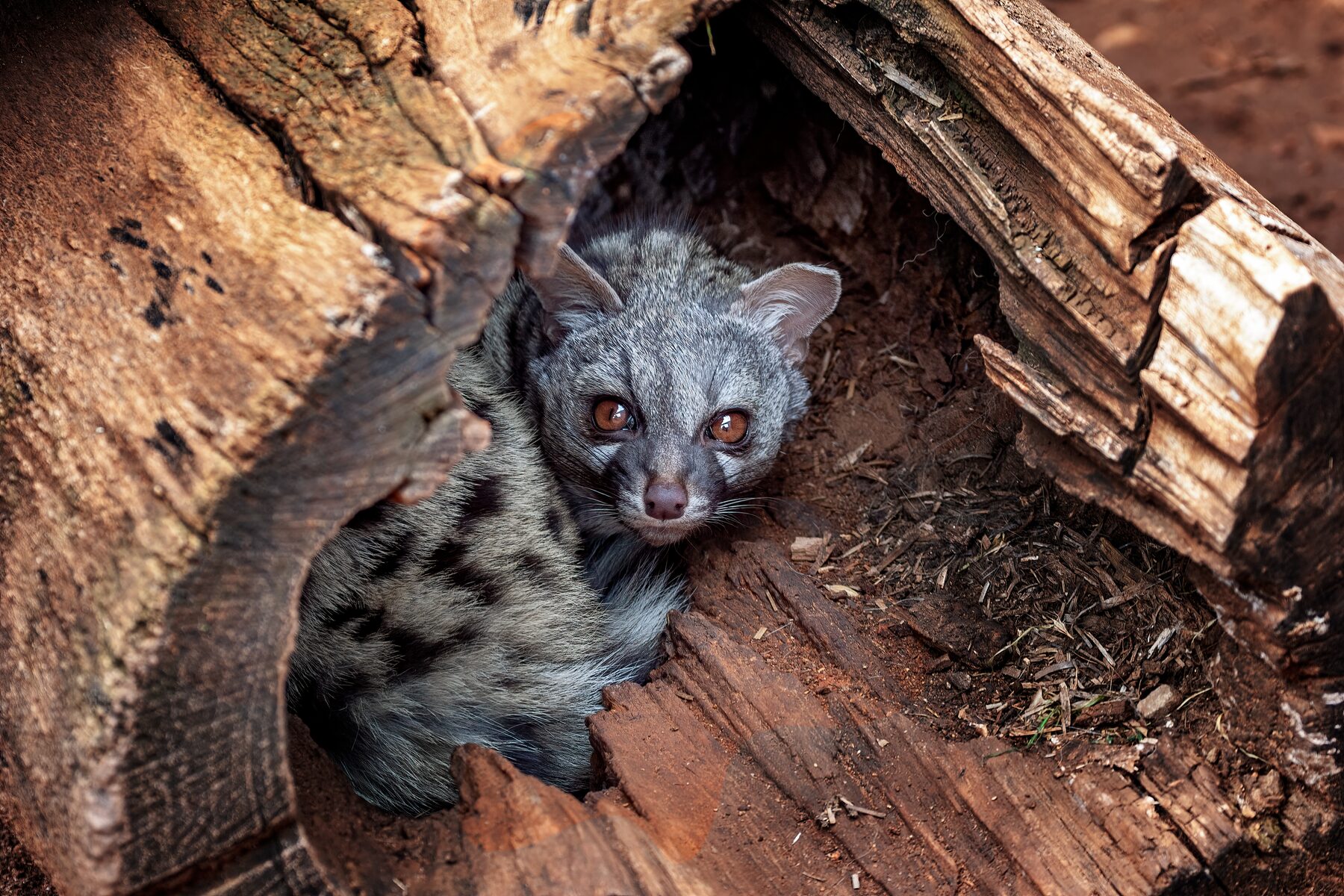
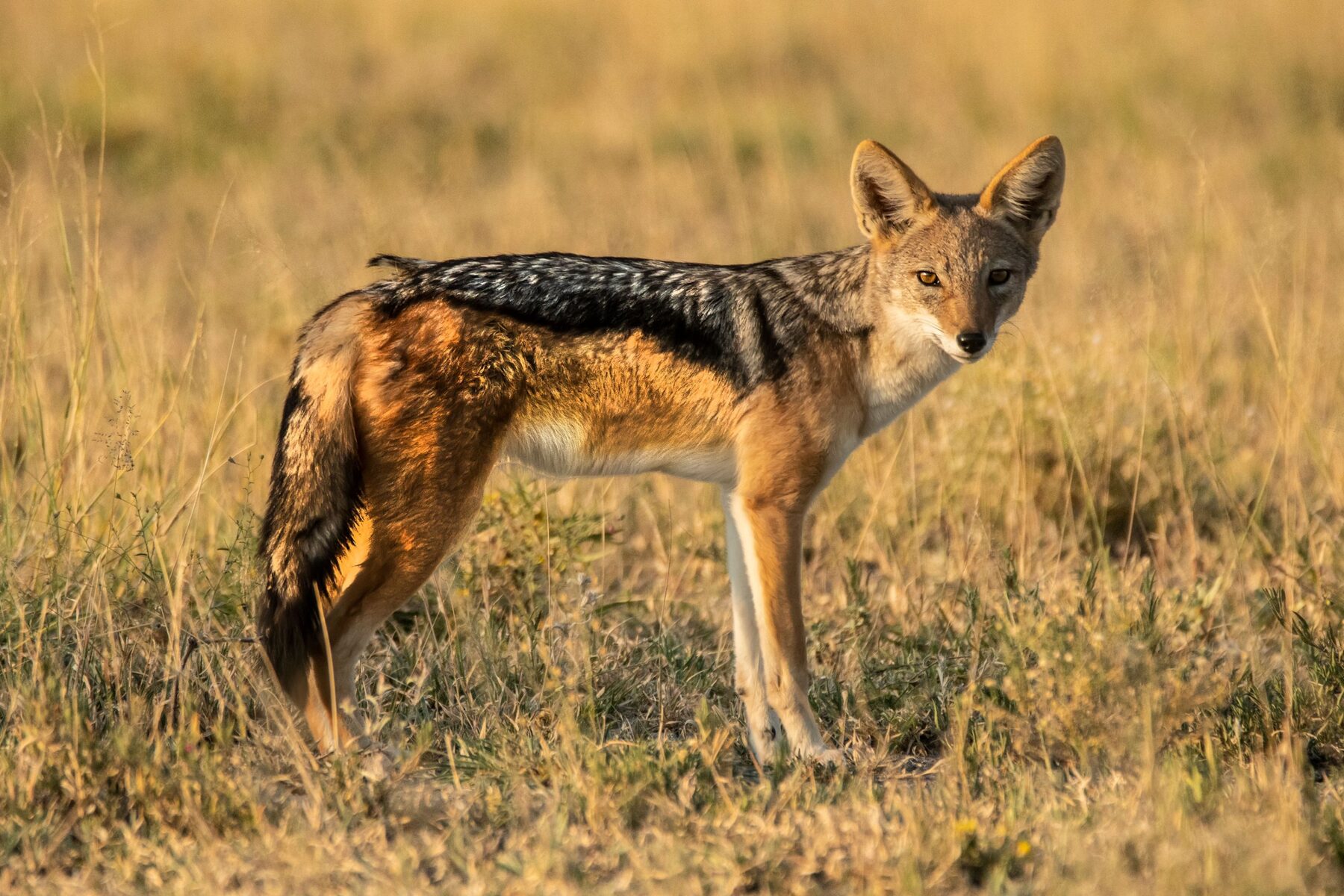
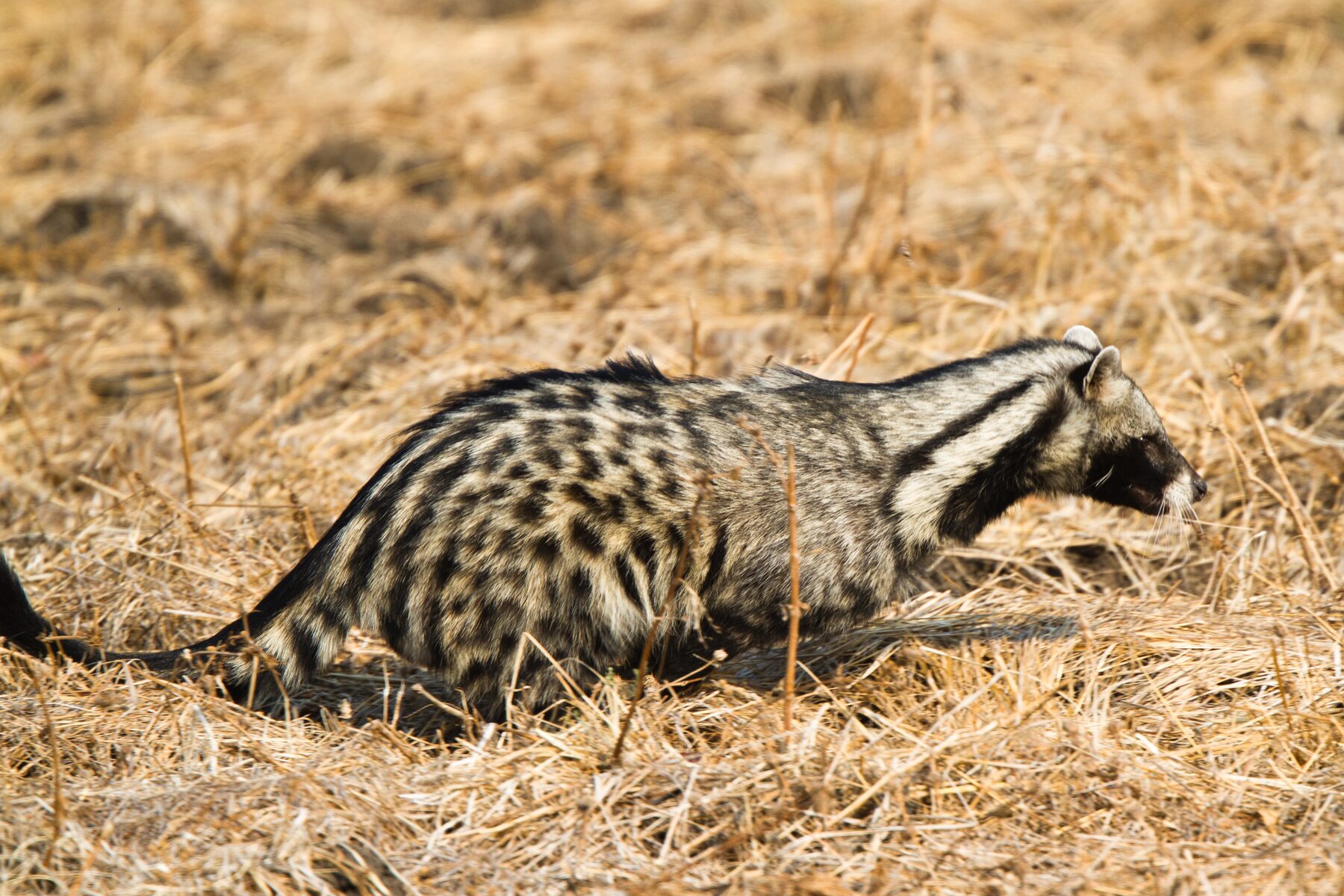
Genets and civets turn up on a lamping run with reasonable frequency. Jackal come to a call fast and often. Caracal come late, or at the edge of the light, or not at all — and when one does come, it arrives silently and commits to nothing.
The trophy is worth the effort. A prime winter caracal is a dense, unmarked rufous pelt with black ear tufts and sharp facial markings, and it makes a full mount that holds its own against animals twenty times the size.
How the hunt runs
Three ways, and all of them are side-hunts rather than the reason you came.
Calling. A distress call — a hare, a bird, a dying lamb — on a cold still night with no moon. You sit with a lamp and someone sweeping it slowly. Jackal come first and fastest. Caracal come late or not at all, and the discipline is in waiting out the twenty minutes after you have decided nothing is coming.
Lamping. Driving quietly at night with a spotlight. This produces more civet and genet than caracal, but it is how a good number of them are taken.
Chance. Caracal turn up at leopard baits and on roads at dusk. If you want one, say so at the start of the safari so the right rifle is in the vehicle rather than back at the lodge.
Rifle and pelt damage
This is the one group where the rifle is chosen to protect the trophy rather than to kill it.
A .22 Hornet, .222 or .223 with a light frangible bullet does very little exit damage. A .243 works and is more than you need. A shotgun with number 2 or BB shot beats anything else on a moving animal inside thirty metres, which is most lamping shots.
Avoid your plains game rifle entirely. The pelt is the trophy.
Practicalities
No quota on our South African ground and either no trophy fee or a nominal one. Tell us before the safari if you want one so the right rifle is carried and the skinners are expecting it.
Pelts need handling quickly and salting properly. If you want a full mount, say so before the shot.
Import rules differ by country and caracal are CITES-listed. Check your own position before booking. See our firearms and CITES notice.