The animal
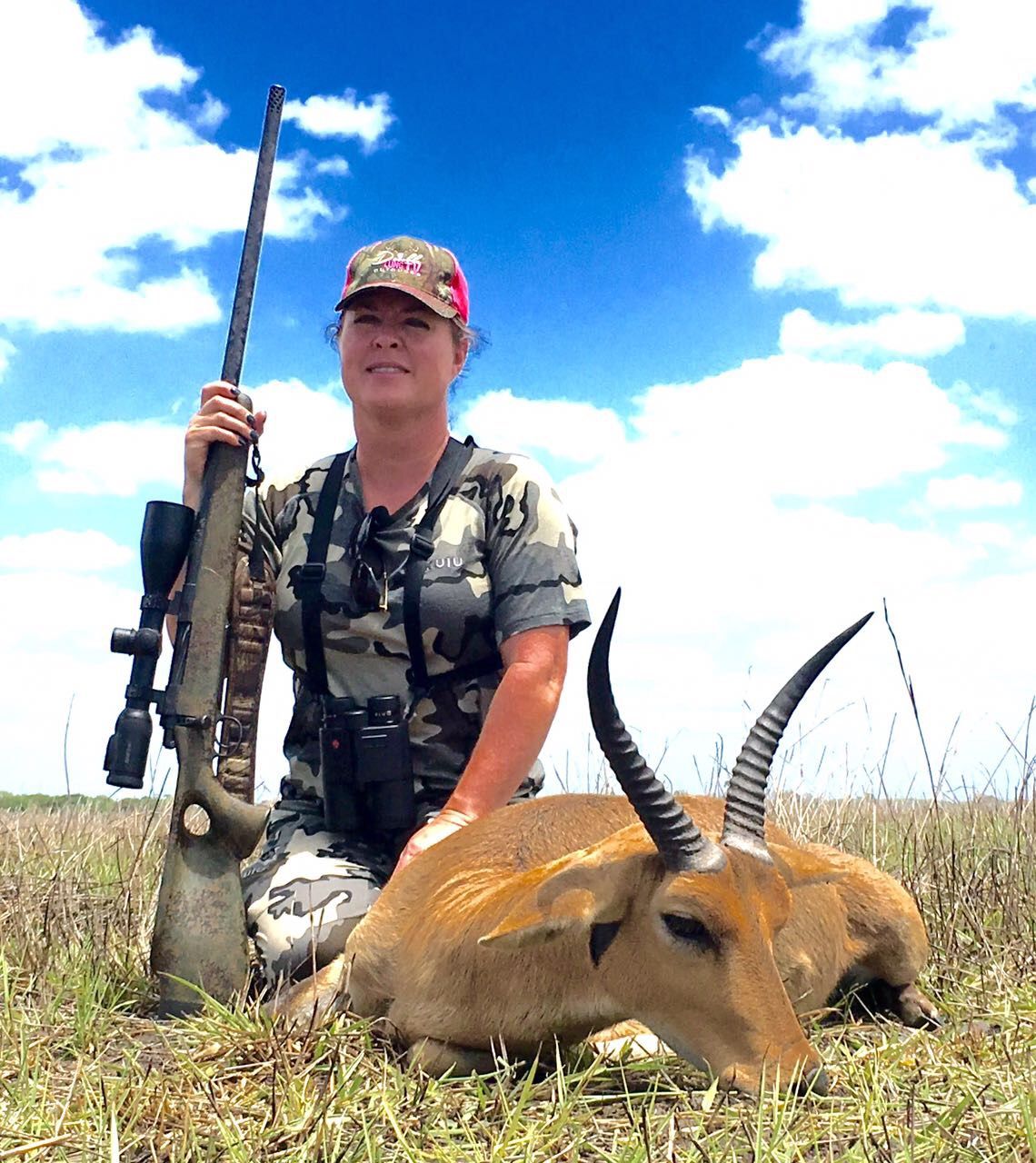
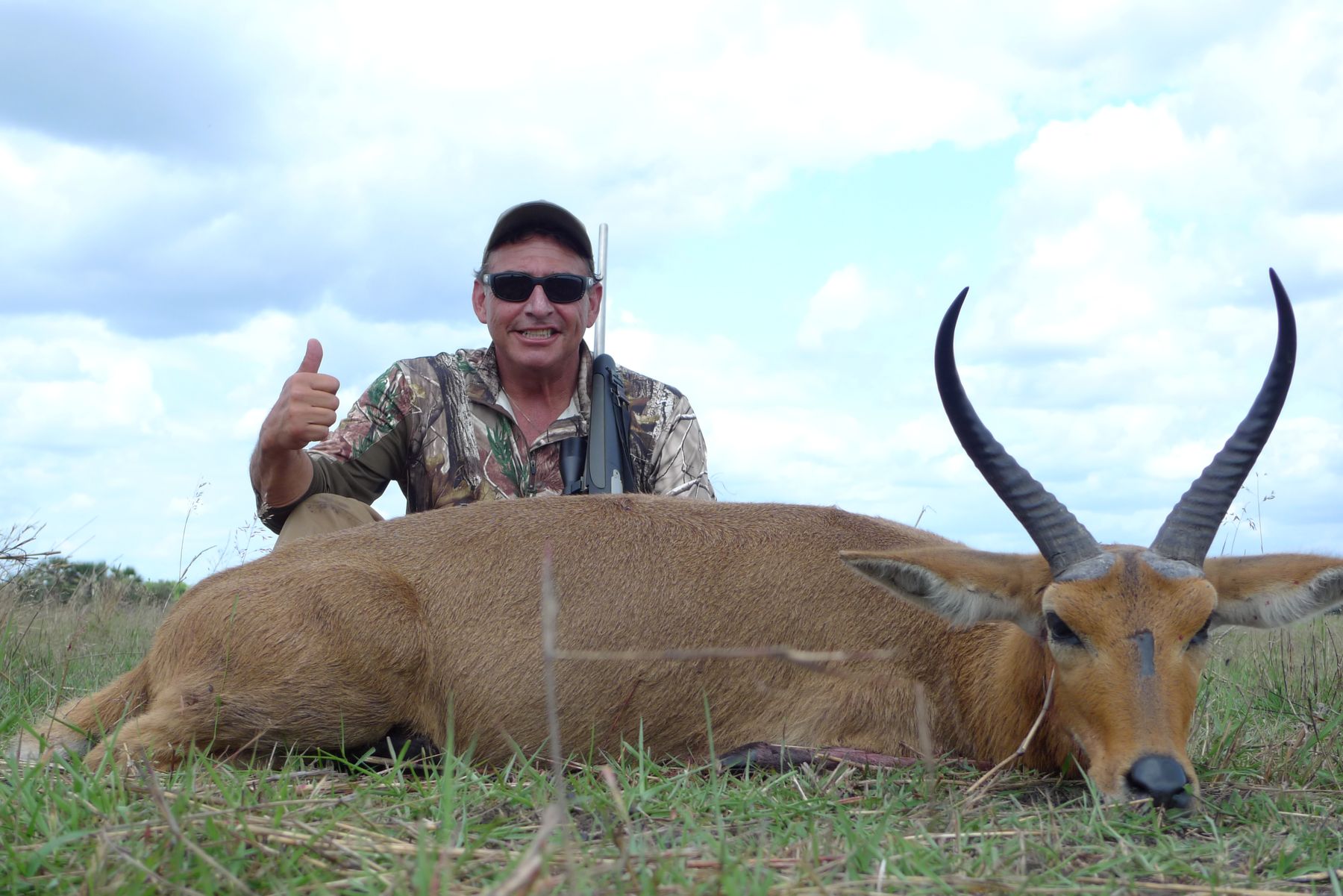
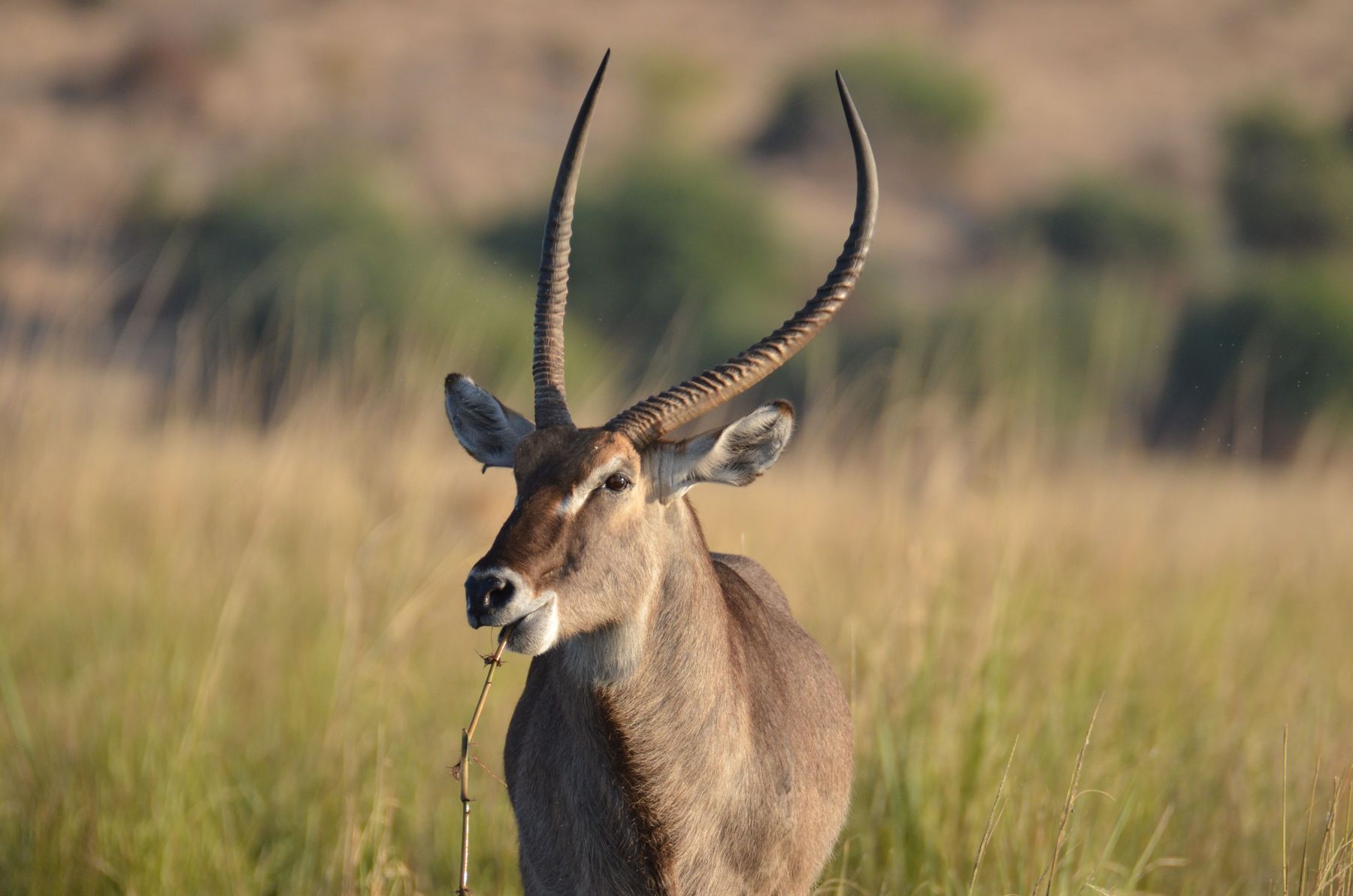
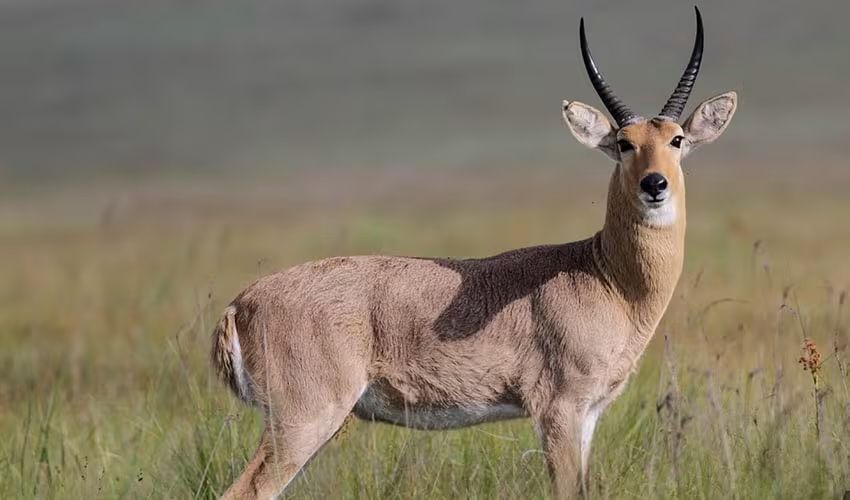
Common reedbuck are pale grey-fawn, long in the leg, and built for wet grassland. They live in vleis, floodplain margins, marsh edges and the tall grass along drainage lines — country that is uncomfortable to walk and impossible to see into for much of the year.
They are usually found singly or in pairs rather than in herds, and they have a distinctive shrill whistle they give when alarmed, followed by a rocking-horse bound through the grass that shows a flash of white underneath the tail.
The most useful thing to know about their behaviour is that they lie flat. A reedbuck’s first response to danger is to press itself into the grass and stay absolutely motionless, sometimes until you are ten metres away. Then it goes, at speed, and you have about two seconds.
Judging a ram
Ewes carry no horns, so identification is straightforward.
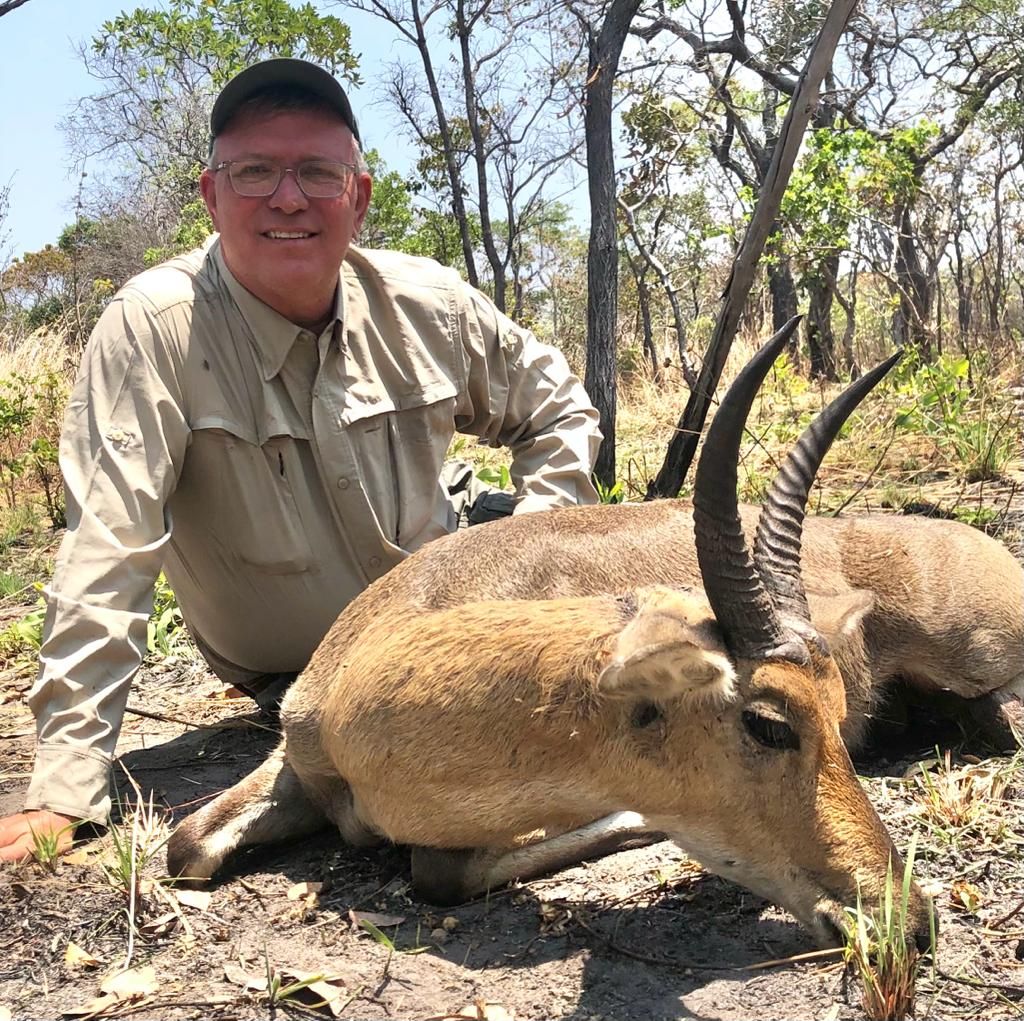
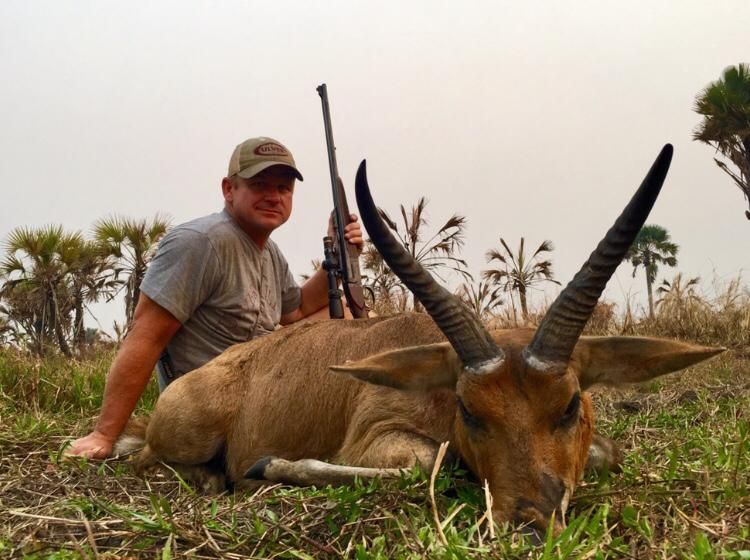
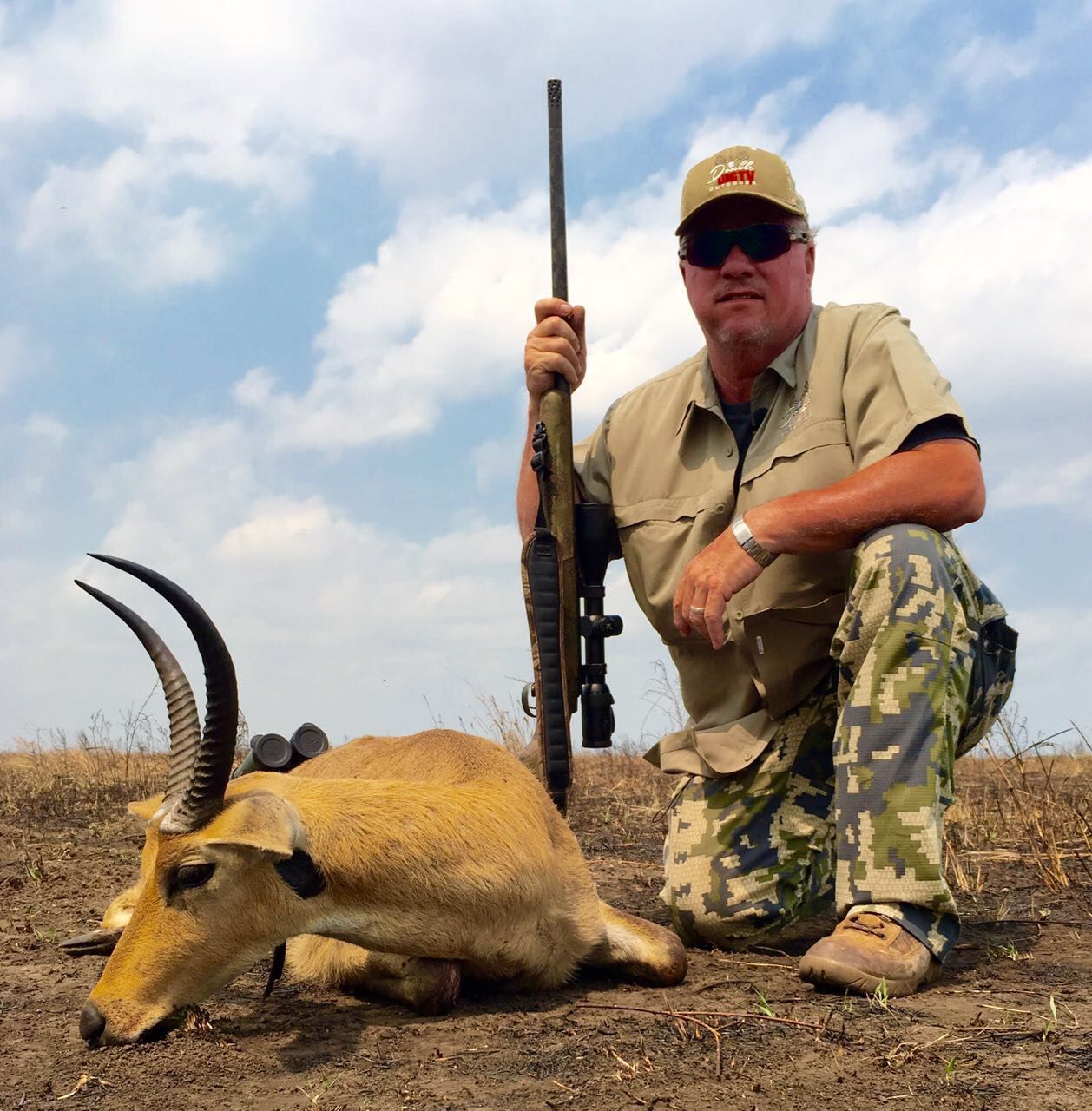
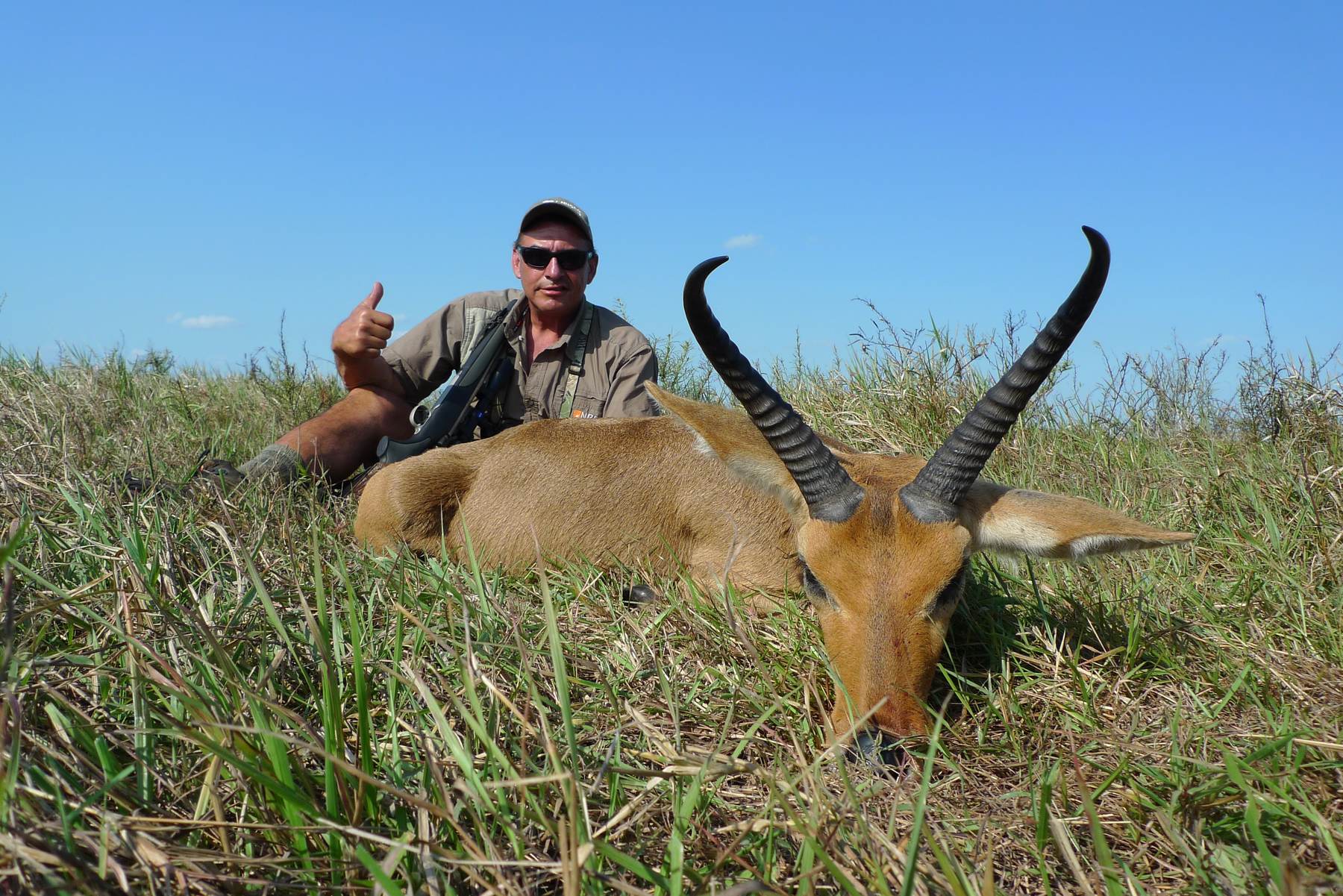
The horns curve back from the head and then hook sharply forward at the tips, and it is that forward hook you are judging. Look for length along the curve, a strong hook, and heavy ringing carrying well up.
The distinctive feature is a pale, slightly swollen band of soft tissue at the base of each horn, which is more pronounced on mature rams. Old rams also carry a heavier neck and a greyer, coarser coat.
A ram of 14 to 15.5 inches is a good mature animal. Past 16 inches is exceptional in most of our areas.
The hunt
Timing is everything, and it depends on grass. For much of the year the vlei grass stands well above head height and a reedbuck could be standing at fifteen metres and remain completely invisible. Once the annual burns have gone through, or grazing has knocked the grass down, the country opens and hunting becomes possible.
The method is walking the edges of wet grassland in the early morning and late afternoon, glassing constantly, and being ready to shoot quickly. Frequently the first you know of a reedbuck is when it comes out of the grass twenty metres away and starts bounding.
That produces a particular kind of shooting — quick, often at a moving animal, at close to moderate range. A rifle you handle well and a scope on low magnification are worth more here than long-range precision.
Where the grass is genuinely short, more considered stalking is possible and shots run 100 to 200 metres.
Rifle
A .243 through .30-06 with premium bullets. Reedbuck weigh 50 to 80 kilograms and do not need heavy artillery. Take the shoulder.
Mountain and southern reedbuck
Two smaller relatives are also hunted in parts of our range — mountain reedbuck in rocky hill country and southern reedbuck across the eastern grasslands. They are recorded separately and mountain reedbuck in particular makes a genuinely challenging hunt in steep terrain. Ask us if either is on your list.
Bow hunting
Difficult given how quickly they move, but possible from blinds along established trails to water. Fifty pounds upward.