The animal
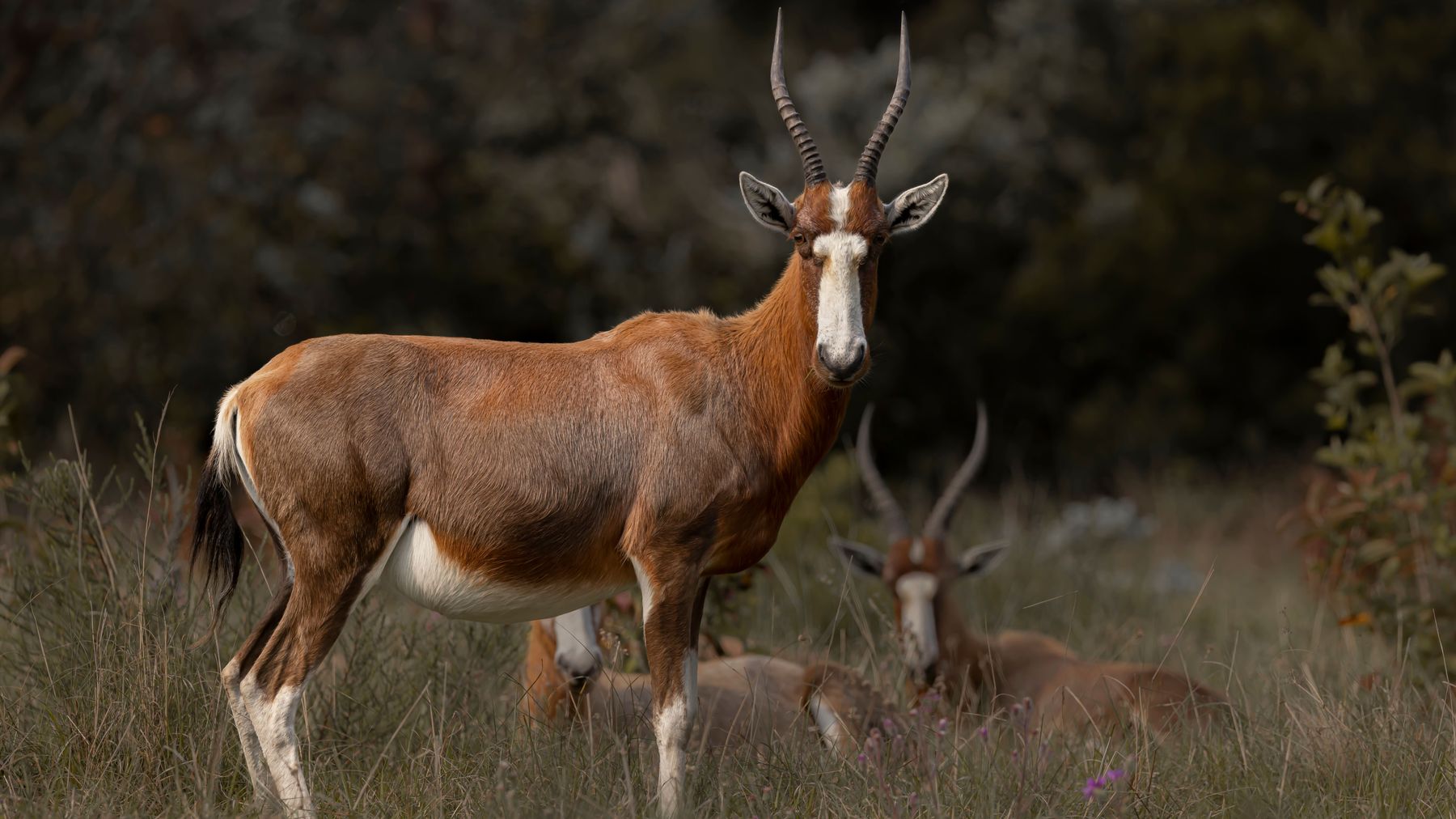
Blesbok take their name from the Afrikaans bles, meaning blaze — the broad white stripe running down the face, usually broken by a brown band between the eyes. The body is a rich purple-brown with a paler saddle and white legs, and in the low winter light on the highveld they are genuinely striking animals.
They are endemic to South Africa and, like black wildebeest, they were reduced to a handful of surviving populations in the nineteenth century before private landowners brought them back. Today they are among the most numerous antelope in the country.
Judging a ram
Rams and ewes both carry horns of similar length, which catches out hunters judging on length alone.
The ram’s horns are noticeably heavier through the base, darker in colour — near-black on an old animal, where a ewe’s stay paler — and more deeply ringed. Look for mass and colour rather than for the last half-inch of length.
A ram of 15 to 16.5 inches is a good mature animal. Past 17 is exceptional. Old rams are also heavier through the neck and shoulders and carry a darker face.
Open-country hunting
Blesbok are an open-grassland animal, hunted in herds with visibility measured in kilometres. On the open sections of the Limpopo property this produces the least African-feeling hunt on our list, and one that catches people out.
You glass a herd, then face the problem of crossing open ground where you are visible from a very long way off. Stalks use dry watercourses, folds in the terrain and low ridges, and frequently the closest you can get is 200 to 300 metres.
That makes blesbok one of the very few African animals where genuine long-range rifle skill matters. Bring a flat-shooting rifle you have practised with at distance, and a rangefinder. A .243 or .270 with a good scope is a better choice here than a heavy dangerous-game rifle.
Blesbok also have a useful habit of running a few hundred metres and then stopping to look back, which frequently gives you a second opportunity.
The cold
Highveld winter mornings drop below freezing and hunters arriving with African heat in mind are miserable on day one. Bring a proper insulated jacket, gloves and a beanie.
On a species list
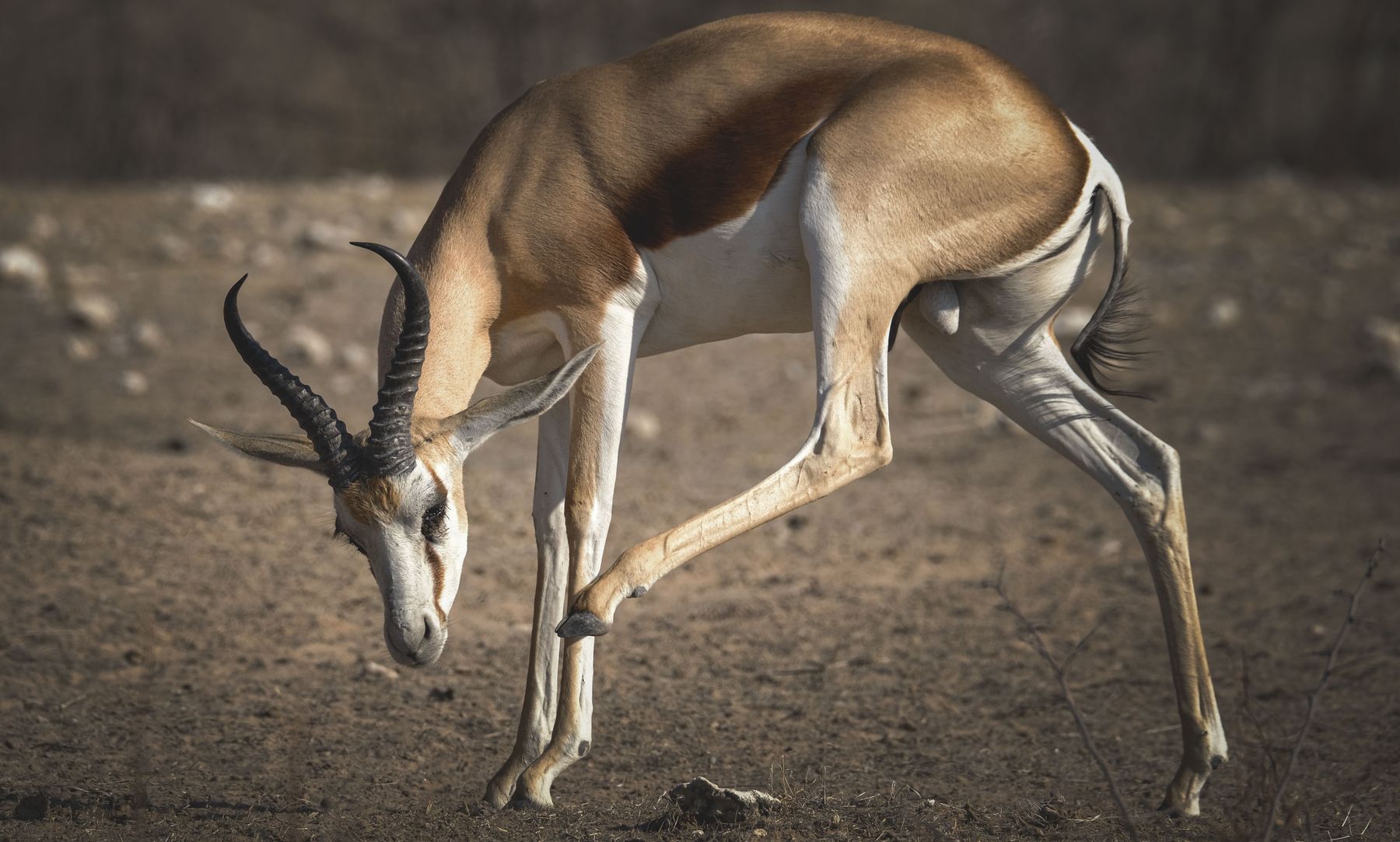
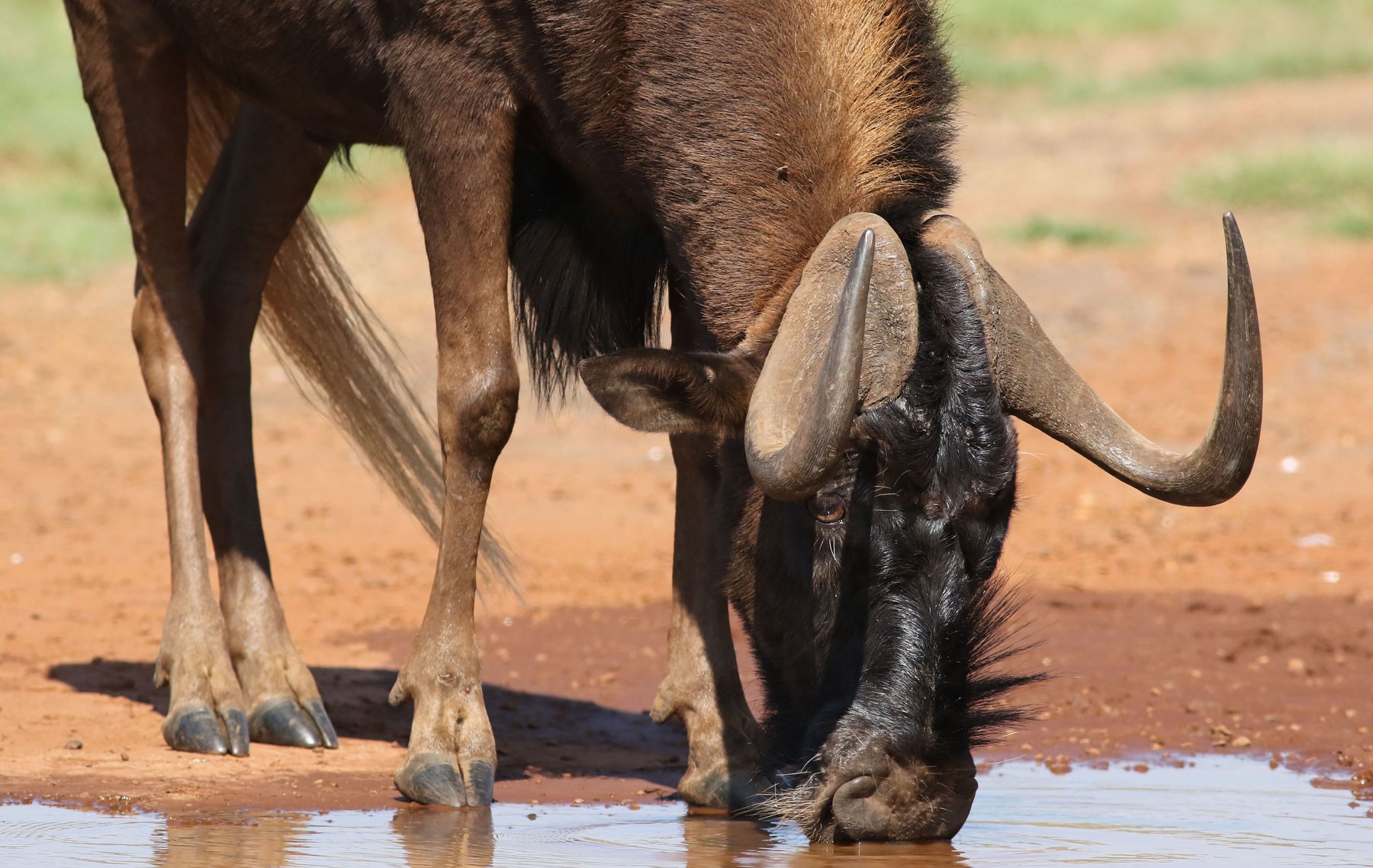
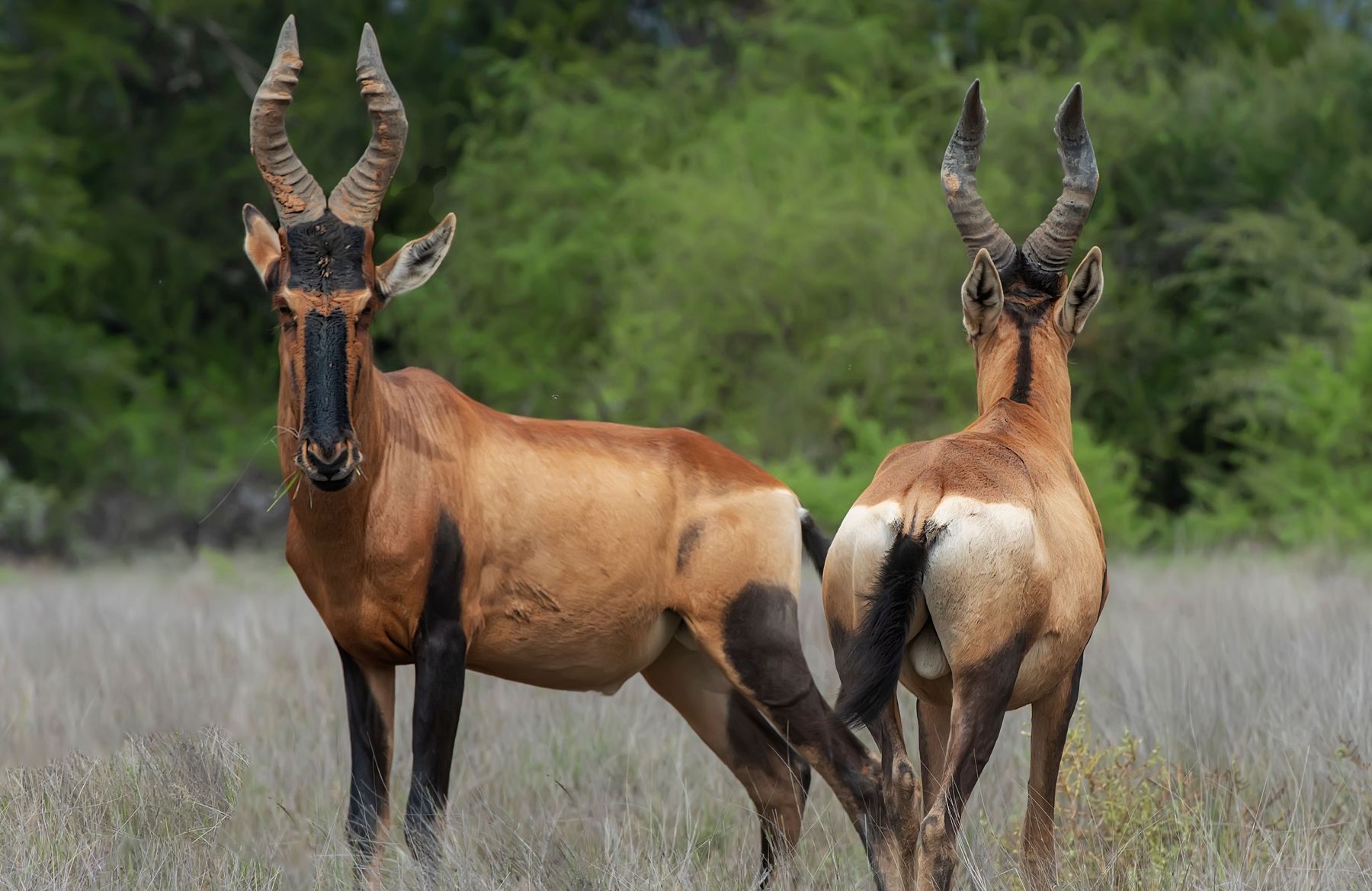
Blesbok are inexpensive, plentiful and pair naturally with black wildebeest, springbok and red hartebeest on an open-country safari. That trip is completely different in character from bushveld hunting in Limpopo — colder, more open, longer shots — and several clients do a few days of each on the same visit.
A common variant is the white blesbok, a colour form bred on some properties. We hunt the natural form by preference and will tell you plainly which is on offer where.
Bow hunting
Difficult in open country by spot-and-stalk, but they come to water and blinds over waterholes work well. Fifty pounds upward.