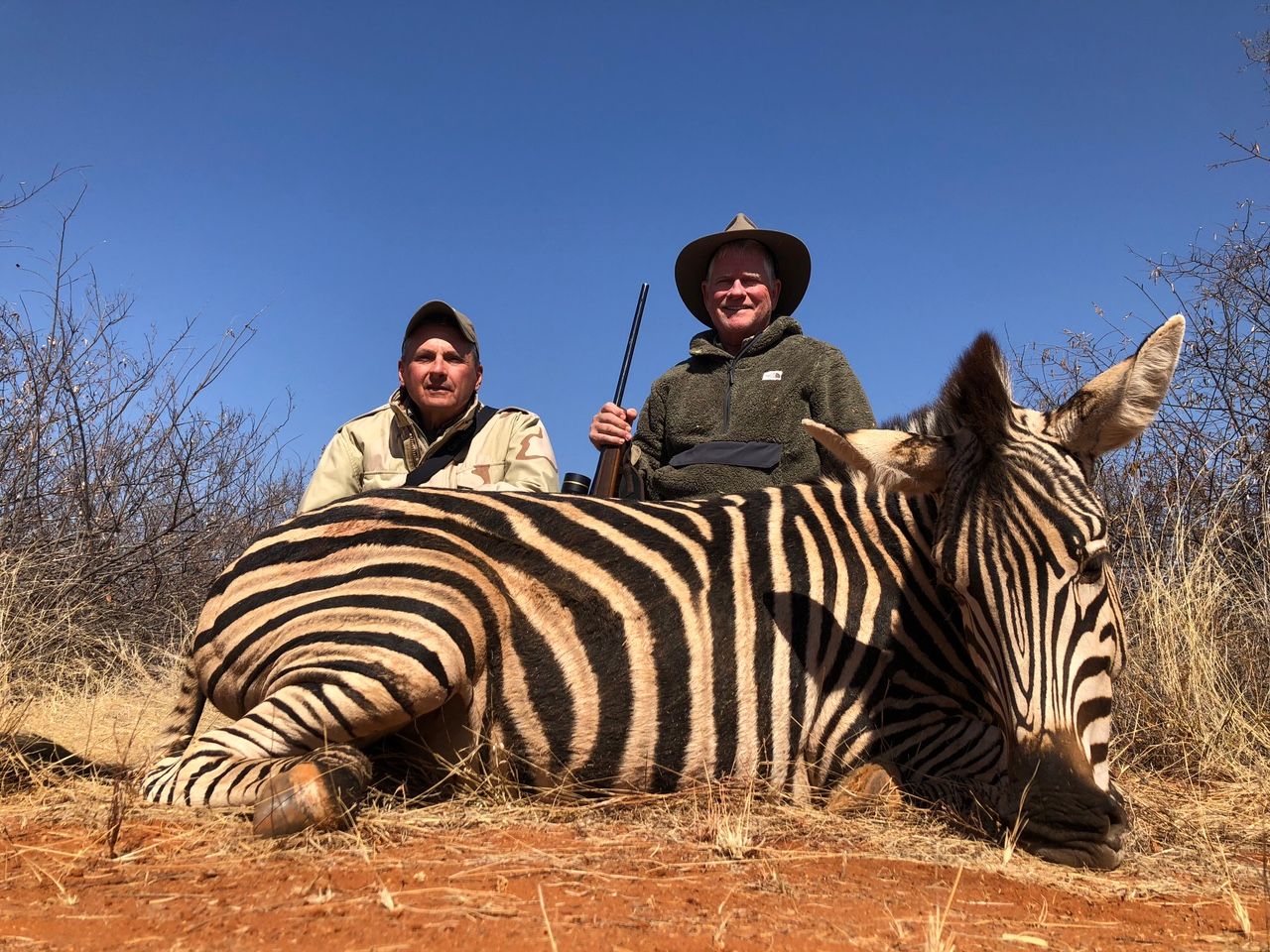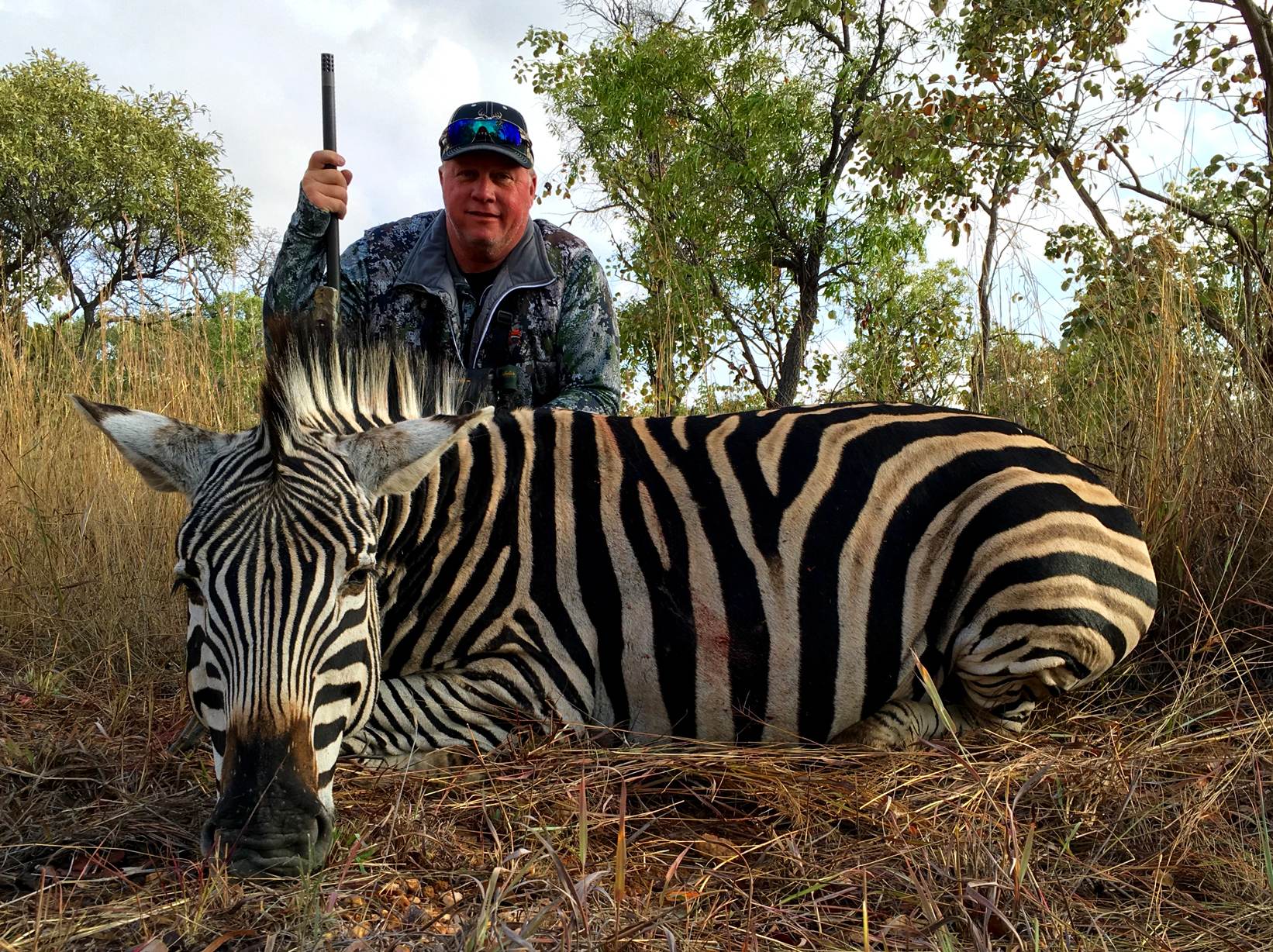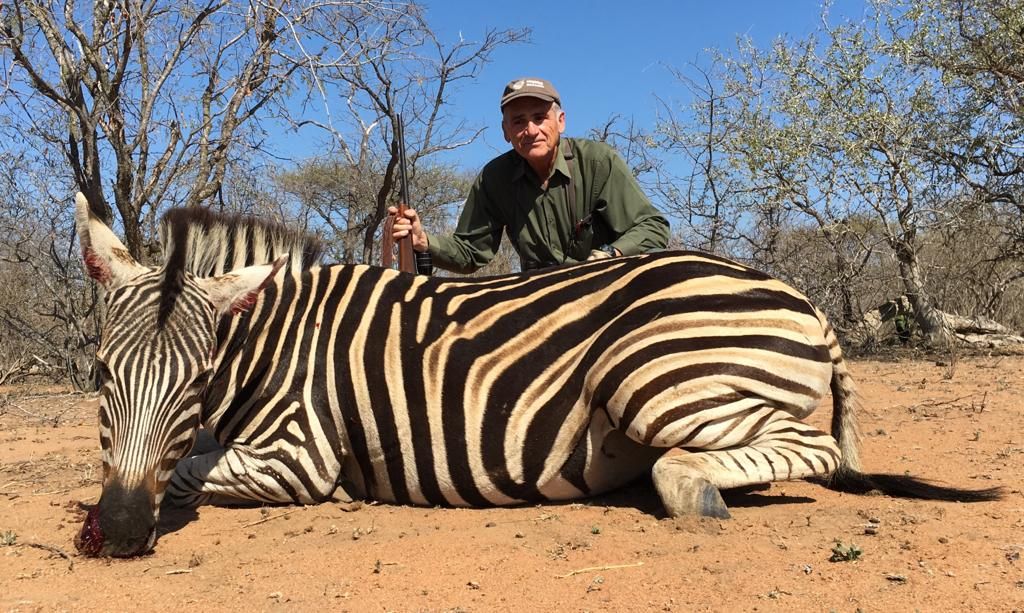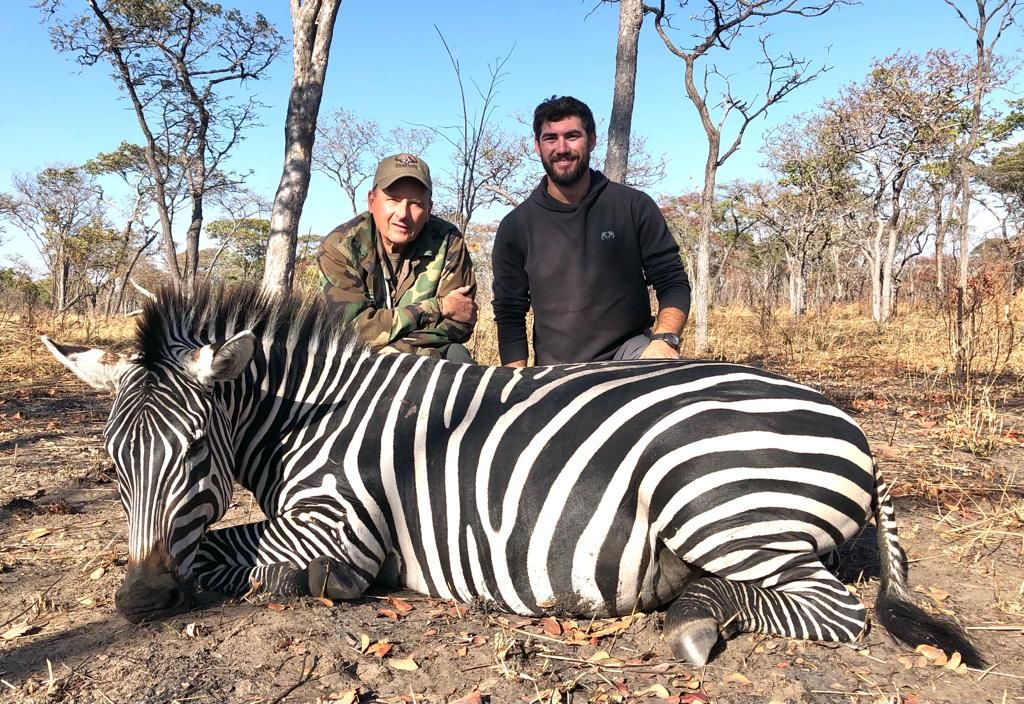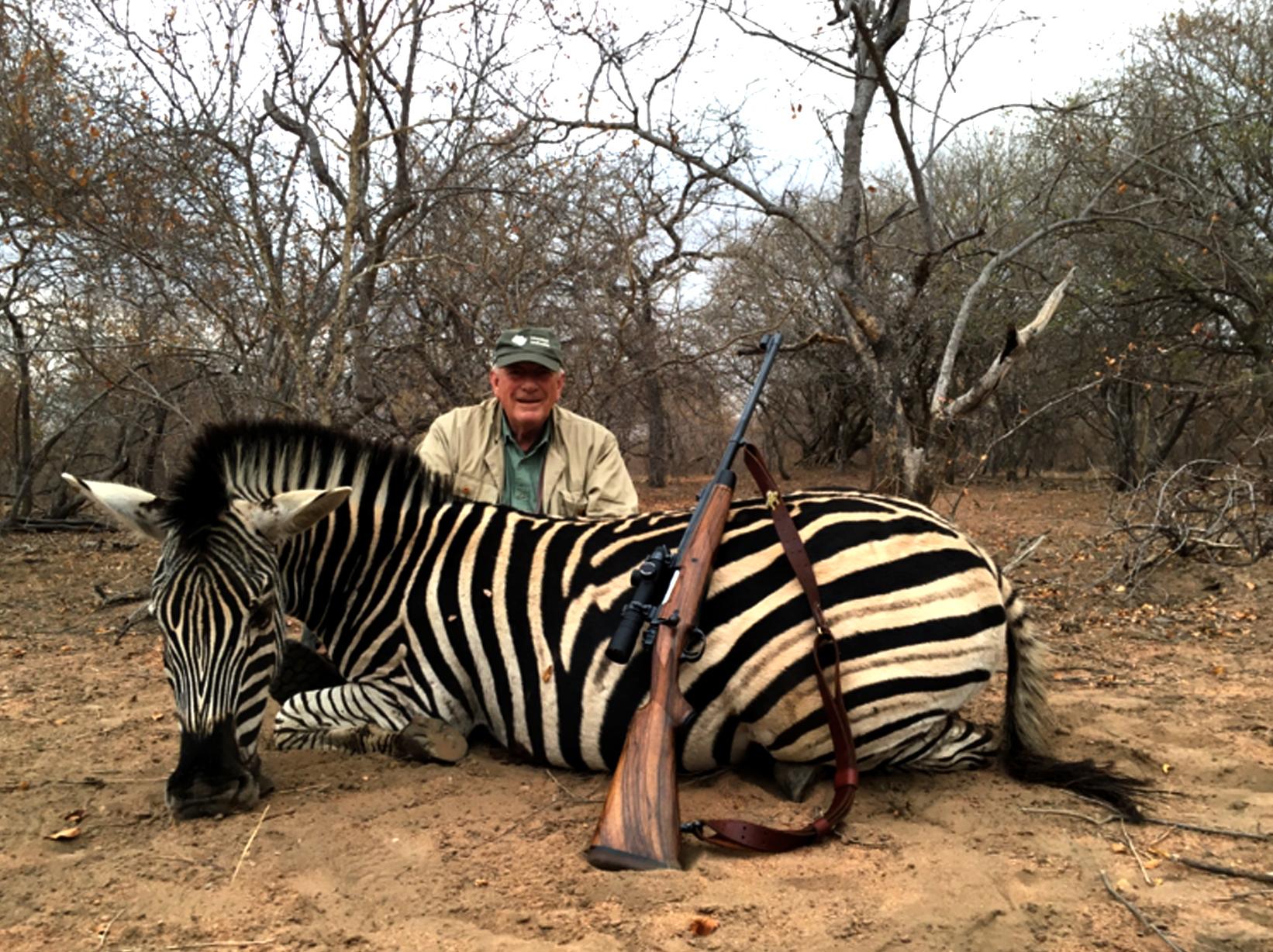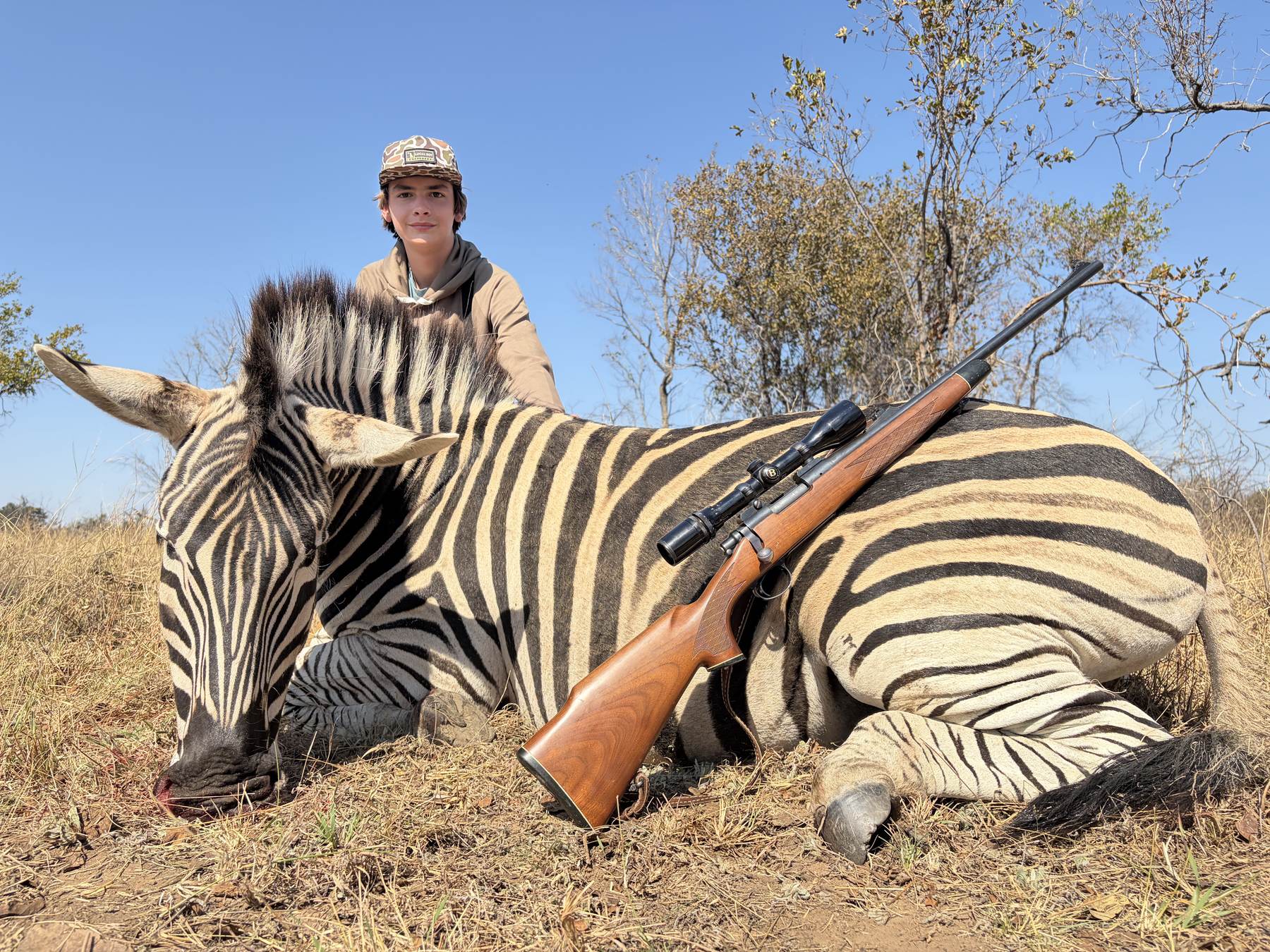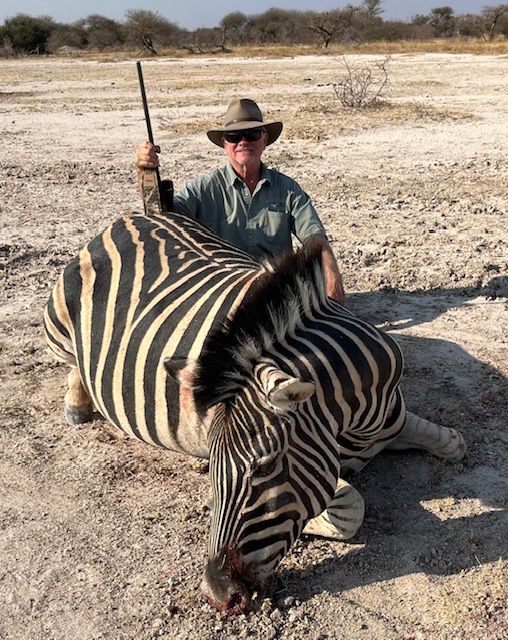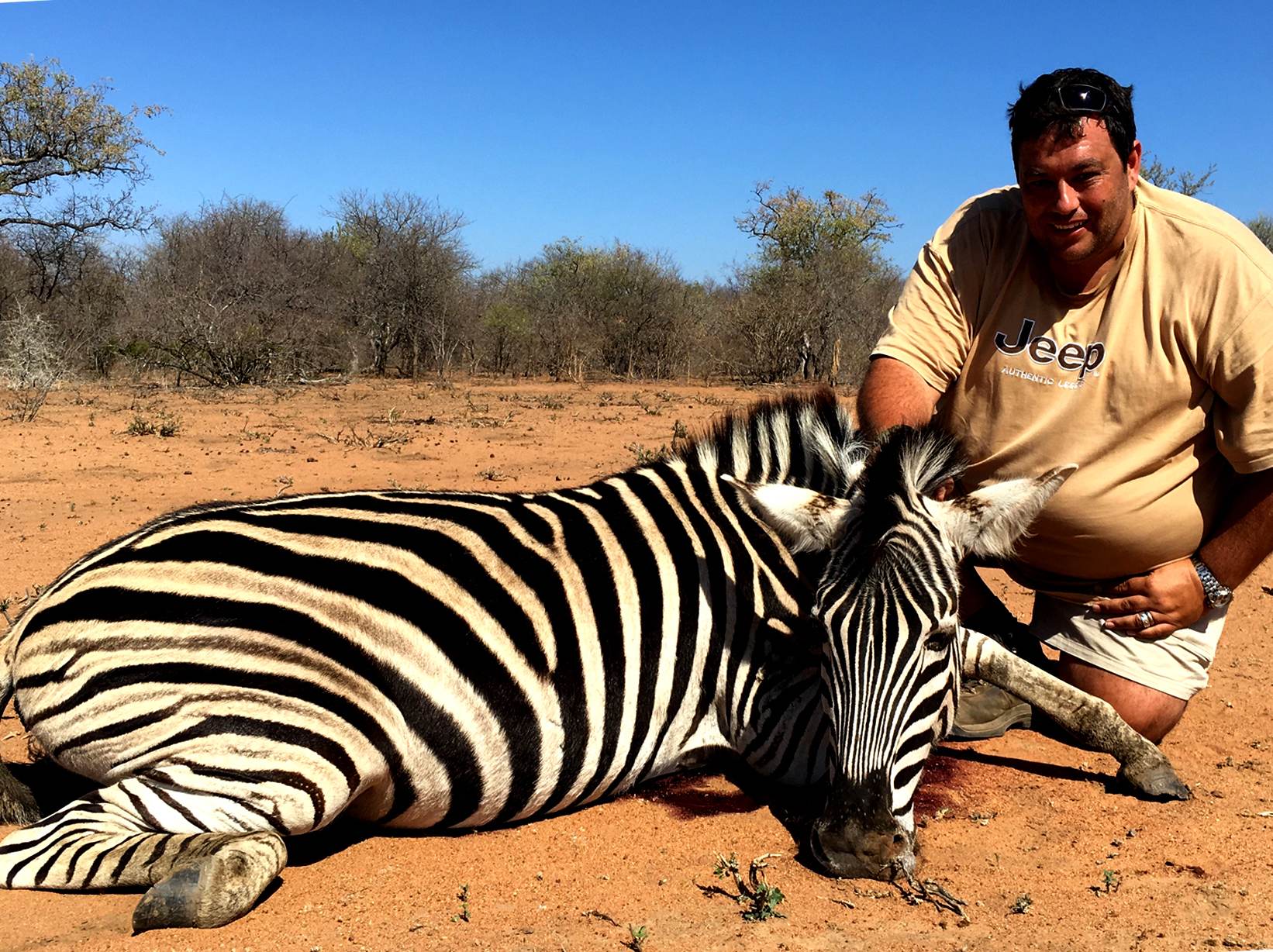
Hunted for the hide
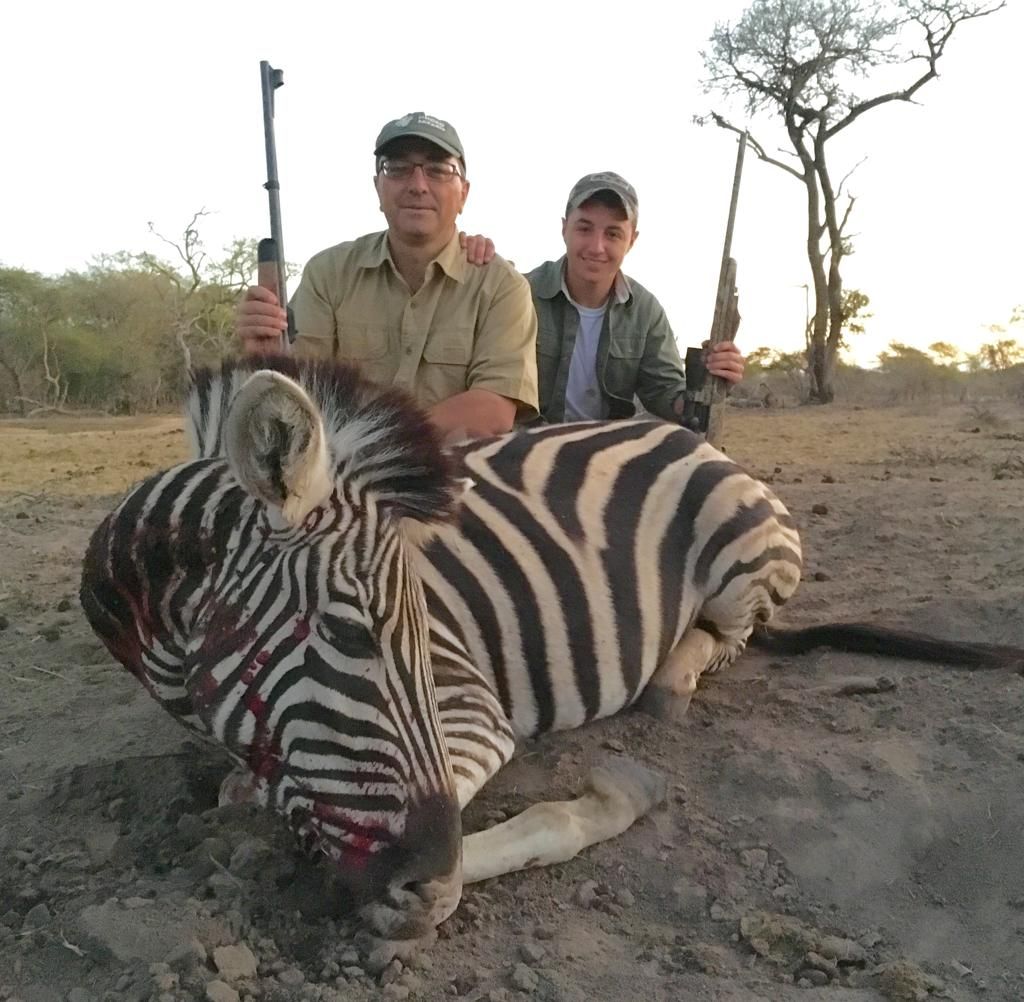
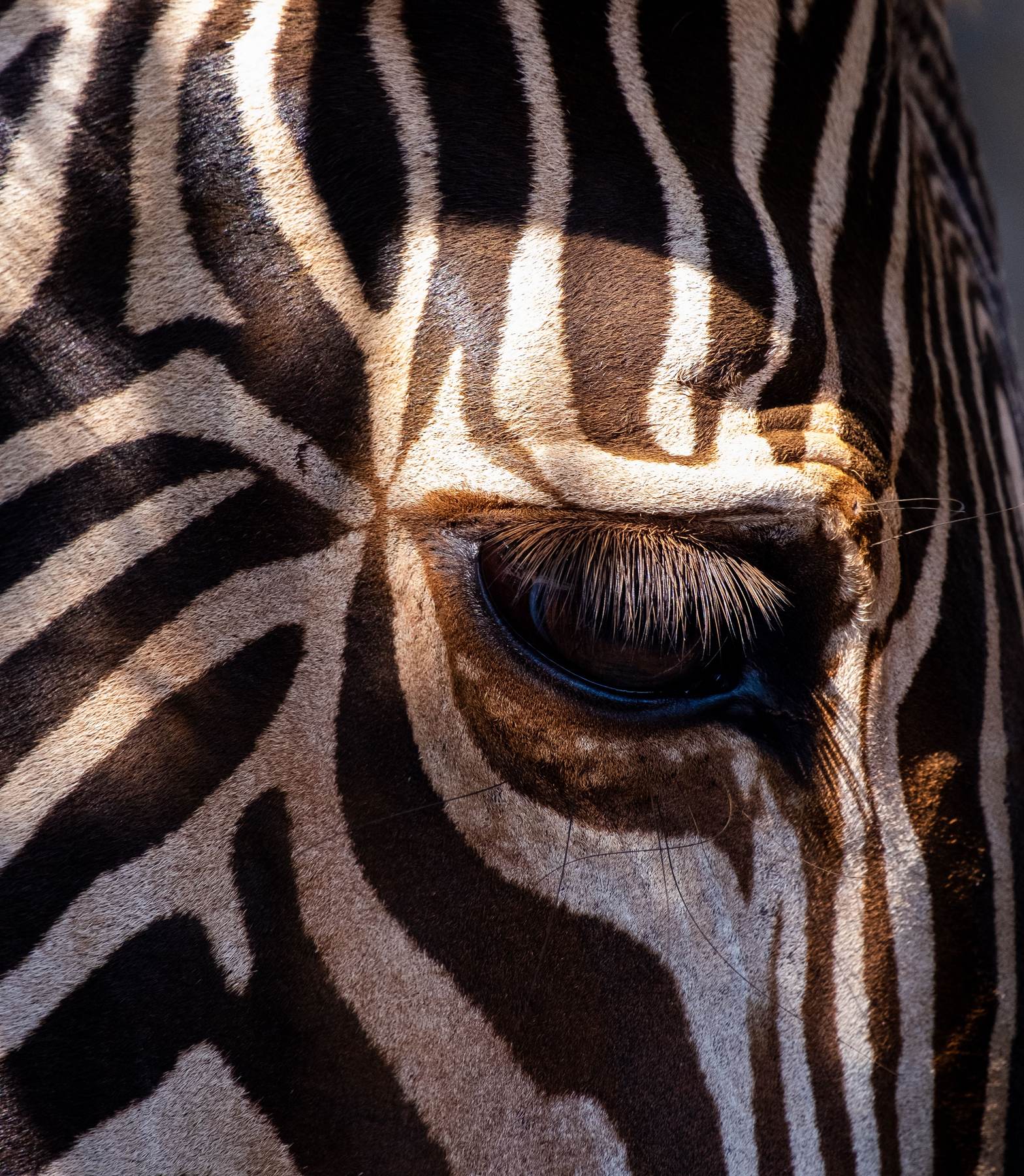
Zebra are the only animal on our list where the trophy has nothing to do with horn. What you are hunting for is a skin, and that changes how you judge the animal entirely.
You want a mature stallion with a clean hide. That means unbroken striping without scarring across the shoulders and rump, no bite marks from fighting, and no damage from thorn or wire. Stallions fight seriously and an old dominant animal is frequently covered in scars that ruin the hide as a flat skin or rug.
This produces an unusual situation where a slightly younger, less dominant stallion is often the better trophy. Your professional hunter will be looking at the animal’s flanks rather than his head.
Body size and neck thickness identify stallions from mares. Stallions are heavier through the neck and shoulders and generally carry themselves differently in a herd.
Considerably tougher than they look
Zebra kill more hunters’ confidence than almost any other plains game animal. They look like a horse, and hunters shoot them like a horse, and then watch them run five hundred metres and disappear.
They are densely muscled, heavy-boned through the shoulder, and have a genuine capacity to keep going on a marginal hit. Bring a .30-06 minimum with premium 180-grain bullets and take the shoulder. Do not attempt a lung shot behind the shoulder and expect it to drop.
A wounded zebra will also fight. They kick with real force and bite, and a follow-up on a wounded stallion in thick cover is approached carefully.
The hunt
Zebra live in family groups in open woodland, grassland and the edges between. They are extremely wary — usually the first animal in a mixed group to notice you and the first to leave — and they have excellent eyesight.
Hunting is spot-and-stalk, generally at 100 to 250 metres. Because they are often in mixed herds with wildebeest, impala and other species, the practical difficulty is not finding them but getting a clean shot at the animal you want with twenty other sets of eyes in the way.
They also come to water reliably in the dry season, which makes waterholes productive in the middle of the day when everything else has stopped moving.
The trophy itself
Most clients take a zebra as a flat skin or a rug, which is why hide condition matters so much. Some take a shoulder mount, which is striking, and a few take a full body mount, which is spectacular and expensive.
Decide before the animal is skinned. A flat skin is taken differently from a cape for a shoulder mount, and the decision cannot be reversed afterwards. Have a look at our trophy shipping page for more on this.
Bait
Zebra are among the best bait animals in Africa for leopard and lion, and on a dangerous game safari a zebra on quota frequently serves both as a trophy for the client and as bait for the cat hunt. If you are hunting leopard, taking a zebra early in the safari is usually the plan.
Bow hunting
Very good from blinds over water. Sixty-five pounds of draw weight upward given how heavily built they are, and heavy arrows. Expect a long recovery.